Angel Wing Begonia Care (Begonia 'Sophie Cecile')

Also known as: Cane Begonia, Begonia

About Angel Wing Begonia

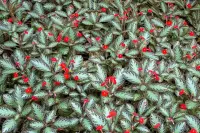
Begonia 'Sophie Cecile' is an Angel Wing begonia, a cane-type houseplant valued for its tall, bamboo-like stems and patterned foliage. The leaves are usually olive to deep green with silver spots and reddish undersides, and it produces clusters of soft pink blooms.

This cultivar does not occur in the wild; it is a hybrid bred from South American begonia species, selected for ornamental foliage and long flowering periods. It is moderately easy to grow if its needs are met, which helps new growers learn how to care for Angel Wing Begonia.

It prefers bright, indirect light, evenly moist but not soggy soil, and good air movement to reduce disease issues.

Main Plant Requirements

Care Difficulty

Moderate Care

Light Preference

Bright Indirect Light

Water Requirements

Moderate Water

Temperature Preference

Tropical / Frost Sensitive

Hardiness Zone

10–11

Soil Texture

Loamy, Peaty, Organic-rich

Soil pH

Acidic (5.5–6.5)

Soil Drainage

Moist but well-drained

Fertilization

Moderate (every 2–4 weeks)

Get Personalized Care Plan

Scan your plant to receive care tips personalized for your specific plant

Available on iOS and Android

How to Care for the Angel Wing Begonia

This cane-type begonia prefers bright, gentle light that protects its leaves from scorching.

  • Provide 4–6 hours of bright, indirect light each day; light morning sun is acceptable, but shield from harsh midday and afternoon rays.
  • Outdoors, grow Begonia 'Sophie Cecile' in dappled or filtered light under taller plants or shade cloth; indoors, place near an east or bright north window for balanced exposure.
  • Excessive sun causes leaf scorch and fading, while too little light leads to leggy, weak growth; adjust position seasonally as sun angles change, which supports typical Angel Wing Begonia indoor care.

This hybrid begonia prefers evenly moist but never waterlogged soil.

  • Before watering, let the top 2–3 cm of soil dry; check with a finger rather than following a fixed schedule, as light and temperature strongly affect drying time.
  • Use a free-draining, peat- or coir-based mix with perlite, and ensure excess water can drain away to reduce the risk of root rot in Begonia 'Sophie Cecile'.
  • In spring and summer, you will usually water more often as growth is active, while in fall and winter watering frequency decreases; drooping, pale, mushy stems suggest overwatering, whereas crisp, curling leaves and dry potting mix indicate underwatering.

This begonia prefers stable, warm conditions without sudden temperature swings.

  • Aim for 65–75°F (18–24°C) for best growth; short dips to 60°F (16°C) are usually tolerated but slow development.
  • Avoid exposing the plant to temperatures below 55°F (13°C); it is not frost hardy and can suffer leaf damage or dieback after even a light frost.
  • In hot periods above 85°F (29°C), provide extra shade and airflow to prevent heat stress, leaf scorch, and increased water loss, and protect from cold drafts or direct blasts from air conditioners or heaters year-round.

This cane-type begonia prefers moderately high, stable humidity for best foliage and bloom performance.

  • Aim for 50–60% humidity; it tolerates brief drops to 40% but leaf edges may brown if air stays drier.
  • Watch for crisp leaf tips, curling margins, and stalled growth as signs of low-humidity stress in Angel Wing Begonia types.
  • Increase humidity with a pebble tray, grouping plants, or a small room humidifier rather than misting leaves directly.

Begonia 'Sophie Cecile' grows best in a light, airy, organic-rich mix that drains quickly yet holds some moisture.

  • Use roughly 40% peat or coco coir, 40% fine bark, and 20% perlite to create a loose, humus-rich structure.
  • Ensure rapid drainage so water flows through in seconds; the mix should feel springy, never dense or sticky after watering.
  • Keep pH slightly acidic, around 6.0–6.5, which supports nutrient uptake and reduces the risk of micronutrient lockout.
  • Avoid heavy garden soil, straight compost, or mixes dominated by fine sand, which compact, suffocate roots, and promote rot.

This cane begonia is very suitable for container cultivation on patios or bright, sheltered spots.

  • Choose a pot that is wider than it is deep to support the spreading cane base and reduce the risk of tipping in wind.
  • Use a slightly heavier material such as ceramic if grown tall, so the container weight stabilizes the top-heavy stems.
  • Leave a few centimeters of headspace below the rim to allow controlled watering without runoff, helping prevent stem base rot in crowded containers.

This hybrid Angel Wing Begonia benefits from light, consistent feeding during active growth.

  • Use a balanced liquid fertilizer (around 10-10-10 or 20-20-20) diluted to 1/4–1/2 strength for container plants.
  • Feed every 3–4 weeks in spring and summer when growth is active and leaves look vigorous.
  • Switch to a slow-release fertilizer or a thin layer of compost at the start of spring if preferred.
  • Reduce feeding to once in late fall, then stop through winter dormancy to avoid weak, leggy growth.

Begonia 'Sophie Cecile' responds well to thoughtful pruning that maintains shape and flowering.

  • Prune in late winter or early spring before strong new growth begins.
  • Remove dead, damaged, or crossing canes using clean, sharp scissors or pruning shears.
  • Shorten overly tall or bare stems to just above a leaf node to encourage branching and fuller growth.
  • Pinch or trim spent flower stems to tidy the plant and direct energy into new foliage and blooms.

This cane-type begonia prefers slightly snug pots and only occasional repotting.

  • Plan to repot every 2–3 years in spring when roots circle the pot or growth slows despite good care.
  • Choose a container just 2–5 cm wider with drainage holes and use a light, airy mix labeled for begonias or indoor plants.
  • Gently loosen circling roots, keep the original root ball mostly intact, and set at the same soil level to reduce shock.
  • Water thoroughly after repotting, then keep in bright, indirect light and slightly drier soil for 1–2 weeks while it readjusts.

This cultivar is commonly propagated from stem cuttings taken during the growing season.

  • Take 7–10 cm non-flowering stem cuttings in late spring or summer, each with 2–3 nodes.
  • Remove lower leaves, leaving the top 1–2, and optionally dip the cut end in rooting hormone to improve success.
  • Place cuttings in moist, well-draining mix and keep humidity high using a clear cover with small air vents.
  • Maintain bright, indirect light and 70–75°F; roots typically form in 3–5 weeks before potting individually.

Begonia 'Sophie Cecile' is frost-sensitive and must be treated as a tender plant in cold climates.

  • Move containers indoors before temperatures drop below 50°F, choosing a bright, draft-free spot.
  • Keep soil slightly drier in winter, allowing the top layer to dry between waterings to reduce rot risk.
  • Avoid cold windowsills and unheated rooms where temperatures may fall below 55°F for extended periods.

Care Tips

Use Light Staking

Install a slim stake or small trellis when stems are 15–20 cm tall to keep heavy, leaf-laden canes upright and reduce the risk of breakage at the base.

Rotate For Even Canes

Turn the pot 90° every 1–2 weeks so all sides receive similar light, which encourages straight, evenly spaced canes instead of lopsided growth.

Leaf Hygiene Routine

Wipe both sides of the large leaves every 3–4 weeks with a soft, barely damp cloth to remove dust, improve light capture, and allow earlier detection of pests or fungal spots.

Targeted Pest Monitoring

Inspect the undersides of leaves and along cane nodes weekly with a hand lens if possible, since spider mites and mealybugs often establish first in these sheltered points on cane begonias.

Seasonal Cane Renewal

Each spring, remove 1–2 of the oldest, woody canes at the base to stimulate new shoots and maintain a compact, floriferous plant, an important part of long-term Begonia 'Sophie Cecile' plant care.

Common Pests and Diseases

Powdery mildew

This disease appears as a white, powdery coating on the upper leaf surface, often starting on older leaves and along leaf edges. Symptoms include distorted growth and gradual yellowing if humidity is high and air is stagnant.

Solution

Improve airflow around the plant, avoid wetting foliage, and remove the most affected leaves. Treat remaining foliage with a potassium bicarbonate or neem oil spray labeled for ornamentals, applied in the evening every 7–10 days until new growth is clean, as part of general Begonia 'Sophie Cecile' care instructions.

Botrytis blight

This disease causes soft, water-soaked spots on leaves, flowers, and stems that develop a gray, fuzzy mold, especially in cool, humid conditions. Symptoms include leaf collapse and rotting of spent flowers left on the plant or soil surface.

Solution

Remove and discard all affected leaves, flowers, and debris, and increase air circulation while avoiding overhead watering. In severe cases, apply a fungicide labeled for botrytis on ornamentals and keep the plant drier and less crowded to prevent recurrence.

Foliar bacterial leaf spot

This disease produces small, translucent, water-soaked spots that turn brown or black and may be surrounded by a yellow halo, often starting on lower, denser foliage. Symptoms include irregular lesions that can merge, causing large dead patches and leaf drop.

Solution

Isolate the plant, remove and discard affected leaves, and avoid splashing water on foliage or sharing tools between plants without disinfecting. Keep leaves dry, water at the base, and if spread continues, discard severely affected plants to protect nearby begonias, then restart from clean stock.

Mealybugs

These insects form white, cottony clusters in leaf axils, along stems, and on leaf undersides, feeding on plant sap and causing distorted, yellowing growth. This pest also excretes sticky honeydew that can lead to sooty mold on leaves and nearby surfaces.

Solution

Dab visible insects with cotton swabs dipped in 70% isopropyl alcohol and rinse the plant gently to remove residues. Follow with repeated treatments using an insecticidal soap or neem oil spray every 7–10 days, and isolate the plant until no new mealybugs appear.

Spider mites

These pests are tiny sap-feeding arachnids that cause fine speckling, dulling, and gradual bronzing of leaves, often with fine webbing between petioles and leaf edges in dry indoor air. Symptoms include slowed growth and premature leaf drop if the infestation is heavy.

Solution

Shower the plant with lukewarm water to physically remove mites, then apply insecticidal soap or neem oil to both sides of the leaves, repeating every 5–7 days for several cycles. Increase ambient humidity slightly and avoid very dry, hot air, as this makes it harder for spider mites to build up large populations.

Interesting Facts

Angel-wing hybrid origin

This cultivar is an angel-wing cane begonia resulting from complex hybridization within the Begonia coccinea group, selected for its particular combination of speckled foliage and large pendulous flower clusters.

Distinct leaf speckling

Its olive to dark green leaves develop fine, silvery polka-dot markings that are more refined and evenly distributed than many other angel-wing types, making it useful as a contrast foliage plant in collections.

Pronounced flower display

The plant is known among growers for producing abundant, large clusters of soft pink flowers that can cover much of the upper canopy under stable indoor conditions.

FAQs about Angel Wing Begonia

Lack of flowers usually comes from insufficient light, nutrient imbalance, or old, unpruned stems. Provide bright but indirect light, use a balanced fertilizer at low strength, and prune leggy canes to encourage new, flower-producing growth.

Grow Healthy Plants with Botan Care

Keep your plants happy and healthy with plant identification, disease detection, and easy care guidance.

Botan plant care app — identify plants on mobile

Explore More Plants