Adelphella babingtonii Care

Adelphella babingtonii

About Adelphella babingtonii

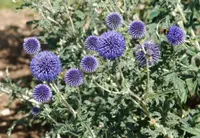
Adelphella babingtonii is a small, delicate flowering plant known mainly from specialized, often rocky or alpine habitats. It usually forms low, compact growth with fine foliage and understated blooms.

This species is of interest mostly to collectors and botanists, as it can be more demanding than typical garden plants. It tends to prefer cool conditions, stable moisture, and sharply drained, mineral-rich soil.

Because it is adapted to specific natural sites, it can be slow to establish and sensitive to poor drainage or excess heat. Gardeners who want to learn how to care for Adelphella babingtonii should be prepared to replicate its cool, well-drained, low-nutrient habitat as closely as possible.

Main Plant Requirements

Care Difficulty

Moderate Care

Light Preference

Partial Shade

Water Requirements

Moderate Water

Temperature Preference

Warm Climate

Hardiness Zone

Unknown

Soil Texture

Loamy

Soil pH

Slightly acidic (6.5–7.0)

Soil Drainage

Well-drained

Fertilization

Minimal (feed rarely)

Get Personalized Care Plan

Scan your plant to receive care tips personalized for your specific plant

Available on iOS and Android

How to Care for the Adelphella babingtonii

This species prefers bright, cool conditions with protection from intense midday sun.

  • Provide 4–6 hours of gentle morning sun or bright filtered light; avoid harsh west or south-facing exposure that can scorch delicate foliage.
  • Tolerates light partial shade, but dense shade reduces flowering and may cause stretched, weak growth over time in Adelphella babingtonii.
  • In summer, use dappled light or light shade during the hottest hours; in winter, allow more direct sun to compensate for the lower light intensity.

Watering should keep the soil evenly moist but never saturated for this species.

  • Allow the top 2–3 cm of soil to dry before watering again, then water slowly so moisture reaches the root zone without pooling on the surface.
  • In spring and summer, expect to water more often during active growth; reduce frequency in fall and winter as growth slows and evaporation decreases.
  • Watch for limp, dry leaves and soil pulling from the edges as signs of underwatering, and yellowing, soft stems or a sour soil smell as signs of overwatering and poor drainage.

Stable, cool to mild temperatures support healthy growth and flowering.

  • Aim for 55–68°F (13–20°C) during active growth, avoiding rapid swings that can stress the plant and reduce vigor.
  • Protect from frost; growth slows below 45°F (7°C) and foliage may be damaged if exposed to repeated dips near 32°F (0°C).
  • In hot spells above 80°F (27°C), provide shade and extra airflow; prolonged heat over 86°F (30°C) can cause wilting, leaf scorch, and reduced flowering.

This species prefers moderately moist air, so humidity influences foliage quality.

  • Aim for 40–60% humidity; it tolerates brief dips but prolonged very dry air can desiccate leaf margins.
  • Crisping tips, curling edges, and stalled growth indicate humidity stress rather than underwatering.
  • Increase humidity with a nearby open tray of water and stones, grouping plants, or using a small room humidifier without wetting the foliage directly.

Adelphella babingtonii grows best in loose, well-aerated, free-draining mineral-rich soil.

  • Use a loamy mix with roughly 50–60% fine mineral content (sand or grit) and 40–50% organic matter such as composted bark or leaf mold.
  • Ensure rapid drainage by adding coarse sand or horticultural grit so water moves through within a few seconds of watering.
  • Target a slightly acidic to neutral pH around 6.0–7.0, avoiding strongly acidic or chalky substrates unless the plant is locally adapted.
  • Avoid compacted clay, peat-heavy mixes that stay wet for days, or pure sand without organic amendment, which can cause root rot or nutrient loss.

This species can adapt well to container growing if root space and drainage are carefully managed.

  • Choose a pot slightly deeper than wide to accommodate its root pattern and reduce rapid surface drying in warm weather.
  • Use a heavier material such as ceramic or clay if growth becomes top-heavy, to prevent the container from tipping in wind.
  • Raise the pot slightly on feet or bricks so drainage holes remain clear and runoff leaves the saucer quickly after watering.

This species is adapted to low-nutrient conditions, so Adelphella babingtonii needs only modest feeding in cultivation.

  • Use a balanced, dilute liquid fertilizer (around 10-10-10) at 1/2–1/4 strength during active growth.
  • Apply every 4–6 weeks in spring–summer if growth appears weak or leaves pale.
  • Avoid heavy compost or slow-release pellets that create overly rich, water-retentive soil.
  • Stop feeding in fall–winter to match its natural dormancy and reduce soft, frost-prone growth.

Pruning is usually light and corrective, aimed at maintaining health and a natural outline.

  • Best time is late winter to very early spring, before vigorous new growth starts.
  • Remove dead, diseased, or crossing stems first, then thin congested interior branches.
  • Use clean, sharp bypass pruners for small shoots and a fine-toothed saw for thicker wood.
  • Moderate thinning improves air flow and light penetration without forcing dense, weak growth.

This plant is most often grown in the ground, with container culture used mainly for young or trial plants.

  • Plan transplanting or potting-on for early spring or early fall, avoiding extreme heat or frost.
  • Check for roots circling the pot base, slow growth, or frequent wilting as signs it needs more space.
  • Move up only 1 pot size, gently loosen outer roots, and keep the original soil level at the same height.
  • Water thoroughly after moving, then keep soil evenly moist and shaded for 7–10 days to limit transplant shock.

Propagation of Adelphella babingtonii is typically done on a small scale and requires some patience.

  • Sow fresh seed in late winter–spring in a free-draining, low-nutrient mix, barely covering the seeds.
  • Maintain 60–70°F, consistent moisture, and bright but indirect light to encourage germination.
  • Semi-ripe cuttings in mid to late summer can root in a humid propagator with bottom heat and airy medium.
  • Label batches and discard weak or diseased seedlings to select only robust young plants.

This species is moderately cold hardy and often needs only basic winter care in most temperate gardens.

  • In regions below its hardiness range, grow in containers and overwinter in a cool, bright, frost-free space.
  • Apply a 5–8 cm mulch layer around the root zone in late fall, keeping it slightly away from stems.
  • For very young plants, use a breathable fleece or shrub cover during prolonged freezes or drying winds.

Care Tips

Mark Dormant Clumps

Place a discreet label or marker where the clump grows while foliage is present so you do not disturb or damage the dormant crowns when digging or weeding in the off‑season.

Staggered Division Timing

Divide only a portion of a mature clump every 3–4 years, leaving at least half undisturbed so flowering is maintained while you propagate new plants or rejuvenate older growth.

Targeted Slug Barriers

Set up copper tape rings or rough mineral grit (such as horticultural grit) around emerging shoots in early spring to protect the tender new growth from slug and snail feeding without constantly applying pellets.

Mulch Gap Around Crowns

When applying organic mulch, stop 3–5 cm short of the plant crowns to reduce the risk of rot while still conserving soil moisture and suppressing weeds around the root zone.

Gentle Stake Guidance

Use discreet, thin stakes and soft ties early in the season to guide stems away from paths or neighboring plants, maintaining good airflow and easier access for inspecting and caring for Adelphella babingtonii.

Common Pests and Diseases

Leaf spot

This disease causes small, dark, water-soaked spots on leaves that can enlarge, turn tan or brown, and sometimes develop a yellow halo. Symptoms include premature leaf drop when infections are heavy, especially in damp, cool conditions.

Solution

Remove and discard affected leaves promptly and avoid overhead watering to keep foliage as dry as possible. Improve air circulation around plants, water early in the day so leaves dry quickly, and if the problem persists, use a copper- or chlorothalonil-based fungicide labeled for ornamental perennials according to directions.

Powdery mildew

This disease produces a white to gray, powdery coating on upper leaf surfaces, stems, and flower stalks, often in late summer. Symptoms include distorted new growth and reduced vigor in shaded or crowded plantings.

Solution

Thin surrounding vegetation to increase light and airflow, and avoid high-nitrogen fertilization that promotes soft, susceptible growth. Remove heavily affected leaves and, for recurring cases, apply a sulfur or potassium bicarbonate fungicide preventively when weather turns warm and humid, following label instructions for caring for Adelphella babingtonii.

Aphids

These insects cluster on tender stems and flower stalks, sucking sap and excreting sticky honeydew that can lead to sooty mold. This pest often causes curling or distortion of young leaves and can transmit viruses between plants.

Solution

Dislodge colonies with a strong stream of water, focusing on shoot tips and undersides of leaves. For persistent infestations, treat with insecticidal soap or neem oil, repeating as needed, and encourage natural predators such as lady beetles by avoiding broad-spectrum insecticides nearby.

Slugs and snails

These pests chew irregular holes in leaves and may skeletonize young foliage, leaving silvery slime trails on and around the plant. Damage is most noticeable after wet weather or overnight during mild temperatures.

Solution

Hand-pick slugs and snails during the evening or early morning and remove debris or dense groundcovers that provide hiding places. Use iron phosphate bait around, not on, the crowns of plants, and maintain a dry mulch surface to make the habitat less favorable.

Interesting Facts

Insufficient public data

Adelphella babingtonii is a recently described or taxonomically obscure species with very limited, accessible information in mainstream botanical references, so detailed, species‑level facts are not yet widely documented.

Taxonomic uncertainty

The genus Adelphella is not consistently treated across major plant databases, which suggests that the placement and circumscription of A. babingtonii may still be under review by taxonomists.

FAQs about Adelphella babingtonii

This species generally performs better outdoors, where it receives stronger light, more stable airflow, and natural temperature shifts. Indoor growth is possible but usually weaker, so provide bright exposure, good ventilation, and avoid very dry, heated rooms.

Grow Healthy Plants with Botan Care

Keep your plants happy and healthy with plant identification, disease detection, and easy care guidance.

Botan plant care app — identify plants on mobile

Explore More Plants