Potentilla stolonifera Care

About Potentilla stolonifera

Potentilla stolonifera is a small, herbaceous perennial in the rose family, forming low mats through creeping stolons that root as they spread. Its foliage is typically divided and finely textured, giving a delicate groundcover look.

This species is native to parts of East Asia, where it grows in open, often grassy or lightly disturbed habitats. It is generally considered undemanding, as long as it receives good light and is not kept in waterlogged soil.

Gardeners who want to care for Potentilla stolonifera should note its preference for moderately moist, well-drained substrates and enough sun to keep growth dense and flowering reliable.

Main Plant Requirements

Care Difficulty

Moderate Care

Light Preference

Partial Shade

Water Requirements

Moderate Water

Temperature Preference

Warm Climate

Hardiness Zone

Unknown

Soil Texture

Loamy, Sandy, Organic-rich

Soil pH

Acidic (5.5–6.5), Slightly acidic (6.5–7.0)

Soil Drainage

Well-drained

Fertilization

Minimal (feed rarely)

Get Personalized Care Plan

Scan your plant to receive care tips personalized for your specific plant

Available on iOS and Android

How to Care for the Potentilla stolonifera

This creeping perennial prefers bright conditions with some protection from harsh heat.

  • Provide 4–6 hours of direct morning sun with light shade or filtered light in hot afternoon periods, especially in USDA zones 7–9.
  • Allow partial shade (2–4 hours sun) in warmer climates; in cooler regions it can handle near full sun if soil stays evenly moist.
  • Watch for stress: pale, leggy growth indicates insufficient light, while scorched, crispy leaf edges signal excessive intense sun exposure.

Watering should keep the soil consistently lightly moist but never sodden.

  • Before watering, let the top 2–4 cm of soil dry, then water thoroughly so moisture reaches the root zone, especially during active growth and flowering.
  • In summer heat, check soil every 2–3 days; in cool or rainy seasons, extend intervals and rely more on soil feel than on fixed schedules.
  • Use well-drained soil or beds; yellowing, soft stems suggest overwatering and potential root rot, while limp, browning leaf edges indicate underwatering.

This hardy groundcover tolerates a wide temperature range but grows best in moderate conditions.

  • Optimal growth occurs at 60–75°F (16–24°C), with steady flowering when extremes of heat or cold are avoided.
  • Dormant crowns can usually withstand down to about 0–5°F (-18 to -15°C) under mulch, though new shoots are more sensitive to late frosts.
  • In hot summers above 85°F (29°C), growth may slow; provide mulch to cool the root zone and prevent heat stress on Potentilla stolonifera.

This species is adaptable and does not have strict humidity requirements in most homes.

  • Target 40–60% air humidity, similar to typical indoor levels, without needing special equipment.
  • Tolerates drier air but prolonged humidity below 30% can cause leaf edges to brown and crisp.
  • If air is very dry, group plants together or place the pot on a pebble tray with water below the pot base.

Potentilla stolonifera prefers loose, well-aerated, moderately fertile soil that drains quickly but does not dry out instantly.

  • Use a loamy mix with 40–50% garden loam, 30–40% compost, and 10–20% coarse sand or fine grit for structure.
  • Aim for slightly acidic to neutral pH, around 6.0–7.0, to support nutrient availability and healthy root activity.
  • Improve aeration and drainage by blending in perlite or pumice, especially in heavy or compacted native soil.
  • Avoid dense clay, waterlogged sites, or pure sand, which either suffocate roots or dry out too fast between waterings.

This species is suitable for container growing and adapts well to shallow, wide pots that allow spreading growth.

  • Choose a broad, low container so stolons can spread without the plant becoming root-bound only in depth.
  • Select a pot material with moderate moisture retention, such as glazed ceramic or thick plastic, to keep the mix evenly moist.
  • Elevate the pot slightly on feet or bricks to help drainage holes clear freely and prevent the base from sitting in runoff.

This low-maintenance groundcover needs only modest feeding for steady growth.

  • Apply a light layer of garden compost or well-rotted manure around plants in early spring to support new growth.
  • Use a balanced, slow-release fertilizer (around 10-10-10) once in spring if soil is poor, following label rates.
  • During active growth, avoid high-strength feeds; if using liquid fertilizer, dilute to 1/2–1/4 strength and apply monthly.
  • Potentilla stolonifera generally does not need fertilizer in fall or winter; stop feeding once growth slows.

Thoughtful pruning keeps Potentilla stolonifera dense, tidy, and flowering well.

  • Trim in late winter or very early spring before strong new growth starts.
  • Remove dead, damaged, or diseased stems first, cutting back to healthy tissue with clean hand pruners.
  • Thin congested or sprawling runners to open the plant and control spread while maintaining a low, compact form.
  • Shear lightly after the main flowering flush to neaten the plant and encourage fresh foliage and occasional rebloom.

This species is usually grown in the ground, so focus on careful transplanting rather than frequent repotting.

  • Transplant in early spring or early fall when temperatures are mild and soil is workable.
  • Look for slowed spread, crowded stolons, or plants heaving from the soil as signs they benefit from lifting and replanting.
  • Divide clumps every 3–4 years, replanting into loosened soil at the same depth and spacing offsets for even coverage.
  • Water thoroughly after transplanting, then keep soil evenly moist for 1–2 weeks to limit root stress and improve establishment.

This stolon-forming plant is commonly propagated vegetatively for fast, uniform coverage.

  • Use division or rooted stolons in early spring as the most reliable method for growing Potentilla stolonifera.
  • Lift a section of the mat, separate naturally rooted runners with a sharp knife, and replant immediately.
  • For cuttings, take short, non-flowering shoots in late spring, insert into moist, free-draining mix, and maintain high humidity.
  • Seeds can be sown in fall or early spring in cool conditions, but offspring may vary slightly from the parent plant.

This hardy perennial usually needs minimal winter care in most temperate climates.

  • Plants tolerate typical garden frosts once established, especially in well-drained soil.
  • Apply a 3–5 cm mulch of compost or leaf mold in late fall to buffer root temperature and reduce heaving.
  • In very cold or exposed sites, leave spent top growth over winter as extra insulation, cutting it back in early spring.
  • Container plants in colder zones benefit from moving to a sheltered, unheated area to avoid repeated freeze–thaw cycles.

Care Tips

Runner management

Every 4–6 weeks in the growing season, selectively thin out crowded stolons and remove weak, pale runners so the plant directs energy into a denser, healthier mat rather than a tangle of thin growth.

Edge containment

Install a shallow root barrier or keep a 10–15 cm hand-cut edge around beds once or twice a season to stop the plant from creeping into lawns or neighboring plantings while still allowing it to fill its intended area.

Flowering refresh

After the main flush of flowers, shear the foliage and spent blooms lightly by 3–5 cm and water well to encourage a fresh carpet of leaves and a tidier appearance through late summer.

Patch rejuvenation

Every 3–4 years, lift and divide older, woody sections in early spring, replanting only the youngest outer portions to maintain vigor, reduce bare centers, and extend the life of the planting when caring for Potentilla stolonifera.

Targeted groundcover use

Use it as a living mulch under open-branched shrubs or between paving stones, but leave a small soil gap around trunks and stems to avoid trapping moisture directly against woody bark.

Common Pests and Diseases

Powdery mildew

This disease causes white, powdery patches on leaves, stems, and sometimes flower stalks, often in warm, dry conditions with poor air movement. Symptoms include distorted growth and reduced flowering if infection is heavy.

Solution

Remove and discard heavily infected leaves to lower spore load, then improve air circulation by thinning crowded growth and avoiding overhead watering. In gardens, apply a sulfur or potassium bicarbonate fungicide labeled for ornamental perennials at the first signs of infection, repeating as directed until conditions dry and new growth appears clean.

Leaf spot (fungal)

This disease produces small brown, purple, or tan spots on leaves that may merge into larger blotches, especially in humid or rainy periods. Symptoms include premature yellowing and drop of lower foliage on dense mats of runners.

Solution

Cut and remove affected leaves and spent runners to reduce inoculum and open the canopy, then water at soil level to keep foliage dry. In beds with recurring problems, use a copper-based or chlorothalonil fungicide labeled for ornamental plants during extended wet weather, rotating products if needed to prevent resistance.

Aphids

These insects cluster on young shoots and the undersides of leaves, sucking sap and excreting sticky honeydew that can lead to sooty mold. This pest can cause curling leaves, stunted new growth, and reduced flowering on carpets of stolons.

Solution

Dislodge colonies with a strong stream of water, then encourage beneficial insects by avoiding broad-spectrum insecticides. For persistent infestations, use insecticidal soap or a neem oil spray, coating the undersides of leaves and repeating every 5–7 days until populations decline as part of broader Potentilla stolonifera care instructions.

Spider mites

These pests are tiny sap-feeders that thrive in hot, dry conditions, causing fine stippling on leaves, a dull or bronzed look, and fine webbing between stems and foliage. Symptoms include gradual thinning of the groundcover and general loss of vigor.

Solution

Increase humidity around the plants and rinse foliage thoroughly with water, focusing on the undersides of leaves to remove mites and webbing. If populations remain high, apply insecticidal soap or a horticultural oil labeled for mites, repeating at short intervals and monitoring regularly during hot, dry weather.

Crown blight

This disease affects the crown and lower stems where stolons root, leading to dark, sunken lesions, wilting of individual patches, and dieback from the center of dense clumps. Symptoms include sudden collapse of sections of the mat while nearby plants appear healthy.

Solution

Promptly remove and dispose of affected crowns and surrounding debris, then improve drainage and reduce overcrowding so crowns dry quickly after rain. In sites with a history of the problem, avoid overwatering, raise planting slightly on well-drained soil or a low mound, and consider a targeted soil-surface fungicide labeled for crown blights on ornamental groundcovers if cultural measures are not sufficient.

Interesting Facts

Creeping stolon network

This species spreads using above-ground stolons that root at the nodes, forming loose mats that can stabilize light, sandy soils around its native river and stream habitats in central Asia.

Central Asian origin

It is naturally distributed in parts of China and neighboring regions, where it typically occurs in open, sunny, and often slightly disturbed habitats such as slopes, roadsides, and river terraces.

Yellow five-petaled blooms

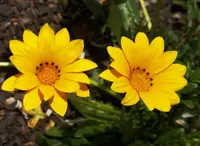
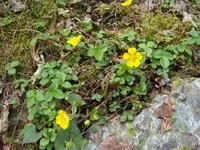
The plant produces small yellow flowers with 5 petals and numerous stamens, characteristic of the rose family, and these blooms support a range of small pollinating insects in its native range.

FAQs about Potentilla stolonifera

This species spreads by stolons, forming low mats over time. It is usually moderate rather than rampant, but in loose, fertile soil it can colonize open areas, so edging or periodic thinning may be needed.

Grow Healthy Plants with Botan Care

Keep your plants happy and healthy with plant identification, disease detection, and easy care guidance.

Botan plant care app — identify plants on mobile

Explore More Plants