

oregano Identification (Origanum vulgare)

To recognize oregano, look for opposite pairs of small oval leaves on square stems, forming a low, branching clump. Mature plants usually stay under about 2 feet (60 cm) tall.

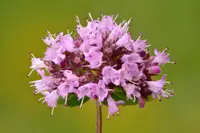
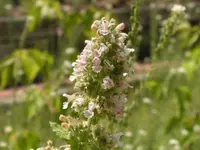
Another strong clue is the flower structure: many tiny pink to purple flowers held in tight, rounded clusters at stem tips.

Origanum vulgare Identification

Check Your Plant ID

Use a clear photo to confirm what plant you have.

Clear images work best. Avoid photos taken too close or too far away

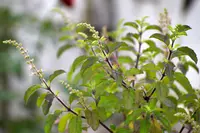
Check oregano for a low, bushy clump with many upright, branching stems.

  • Leaves grow in opposite pairs, are oval to egg-shaped, and usually 1/2 to 2 inches (1.3 to 5 cm) long.
  • Leaf edges are mostly smooth or only faintly toothed, with short stalks and a softly hairy surface.
  • Stems are slender, often slightly square, and can show a reddish or purplish tint.
  • Flower clusters sit at stem tips as small rounded to elongated heads with pink to purple flowers and overlapping bracts.

Crush a leaf only after the visual check if confirmation is needed.

Origanum vulgare shows clear visual shifts from low leafy growth to clustered flowering stems.

  • Seedling: Seedlings show tiny opposite first leaves on a thin upright stem; the plant is sparse and lacks the branched, mounding shape seen later.
  • Young plant: A young plant forms several square stems with opposite oval leaves, creating a low clump about 6-12 inches (15-30 cm) tall.
  • Mature plant: Mature oregano is broader and more branched, with many leafy stems rising from the base and a denser, rounded outline than younger plants.
  • Flowering stage: Flowering stems lengthen and carry tight clusters of small pink to purple flowers at the tips, making the plant look taller and less uniformly leafy.

Several ornamental selections of oregano are identifiable by foliage color, habit, or bract and flower color.

  • Origanum vulgare 'Aureum': Leaves emerge bright golden yellow rather than plain green, often holding the strongest color on new growth.
  • Origanum vulgare 'Compactum': Forms a low, tight mound about 6-12 inches (15-30 cm) tall, with shorter stems and smaller leaves than the typical form.
  • Origanum vulgare 'Variegata': Leaves show cream to pale yellow margins or irregular patches, instead of solid green blades.
  • Origanum vulgare 'Kent Beauty': Trailing stems carry layered pink-green bracts that are showier than the small flowers and unlike the usual upright, green-bracted form.

In spring, oregano sends up fresh leafy stems from the base, creating a low, bushy clump of small opposite leaves. By summer, clusters of pink to purple flowers become obvious at stem tips. After frost, top growth dies back, often leaving dry, straw-colored stems or a low bare crown through winter.

A few mint-family herbs are regularly mistaken for oregano.

sweet marjoram(Origanum majorana)

Often confused because both are low, bushy herbs with opposite oval leaves. Sweet marjoram is usually grayer and softer-looking, with smaller, rounder leaves and tighter, knotted flower heads rather than the looser pink-purple clusters of Origanum vulgare.

wild basil(Clinopodium vulgare)

It can resemble it from a distance through similar height and opposite leaves. Wild basil has more sharply toothed leaves and dense, ball-like flower clusters stacked at the upper leaf nodes, not broader branching flower sprays.

Origanum vulgare is native across much of Europe, North Africa, and temperate Asia. It occurs in open, dry places such as calcareous grassland, rocky slopes, scrub edges, and open woodland margins. This range helps with identification because true wild oregano is a plant of sunny, well-drained habitats rather than wetlands or deep shade. Finding it on dry banks, limestone ground, or disturbed grassy slopes can help narrow an ID.

Confirm It from a Photo

Upload a clear image to help identify the plant or verify the name before labeling, repotting, or comparing it with similar species.

FAQ

Look for a clumping herb with opposite oval leaves, square stems, and small pink to purple flower clusters. Crushed foliage is strongly aromatic. These traits are central for identifying oregano in gardens and disturbed sites.

More Plant Identification Guides

Identify Your Plant and Learn More

Use Botan to identify a plant from a photo, then review its profile, care information, and common problems.

Botan app identifying a plant from a photo
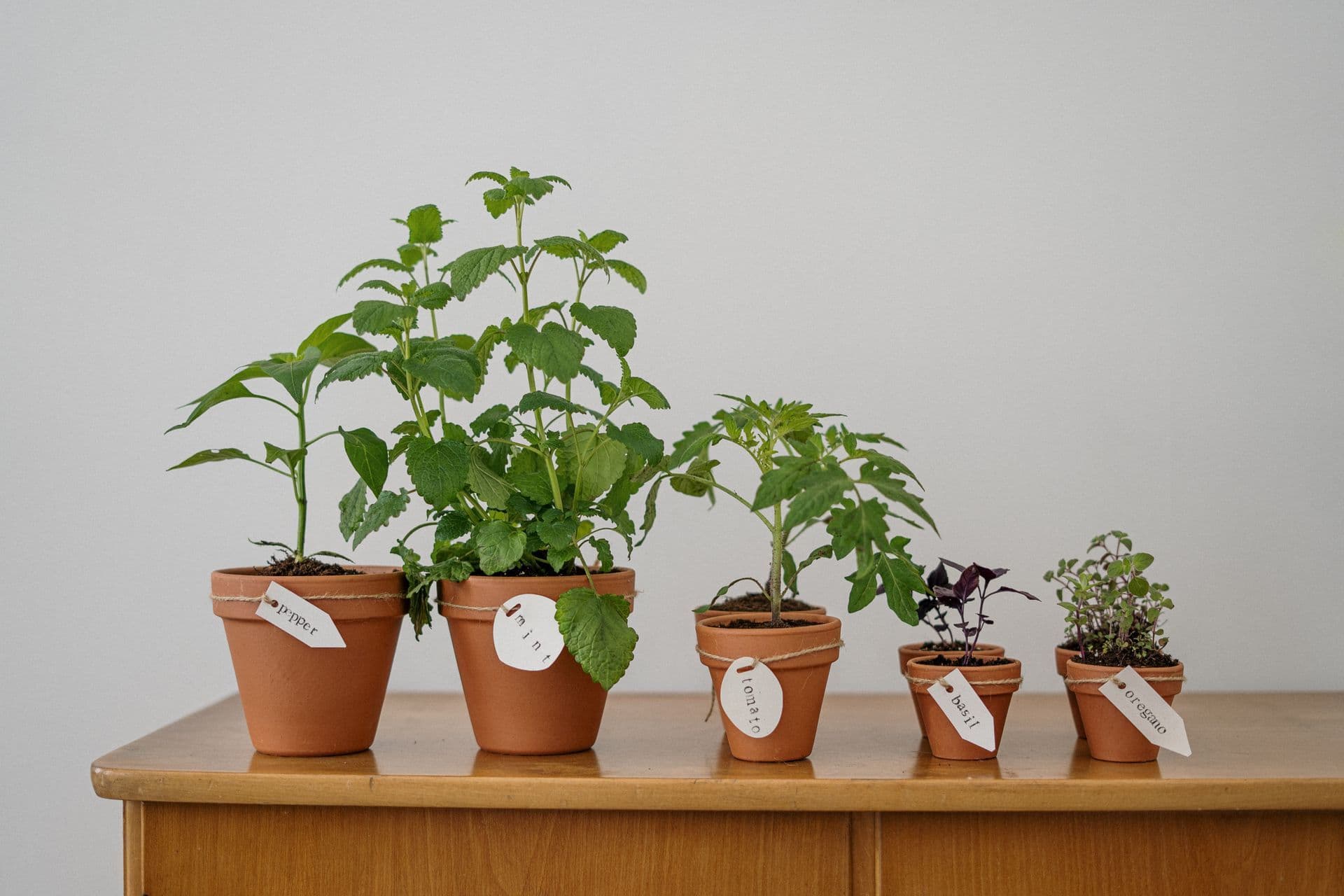
Plant Pot Sizes: How to Choose the Right Plant Container

7 min read · 20 Aug 2026

Plant Pot Sizes: How to Choose the Right Plant Container

Plant pot sizes can be confusing because the number on the label only tells you part of the required information. A container may look spacious but actually be too shallow. So, how to choose pot size for plant species?

Beginner Guides
Plant Pot Sizes: How to Choose the Right Plant Container
20 Most Popular Fruits Around the World

7 min read · 22 Jul 2026

20 Most Popular Fruits Around the World

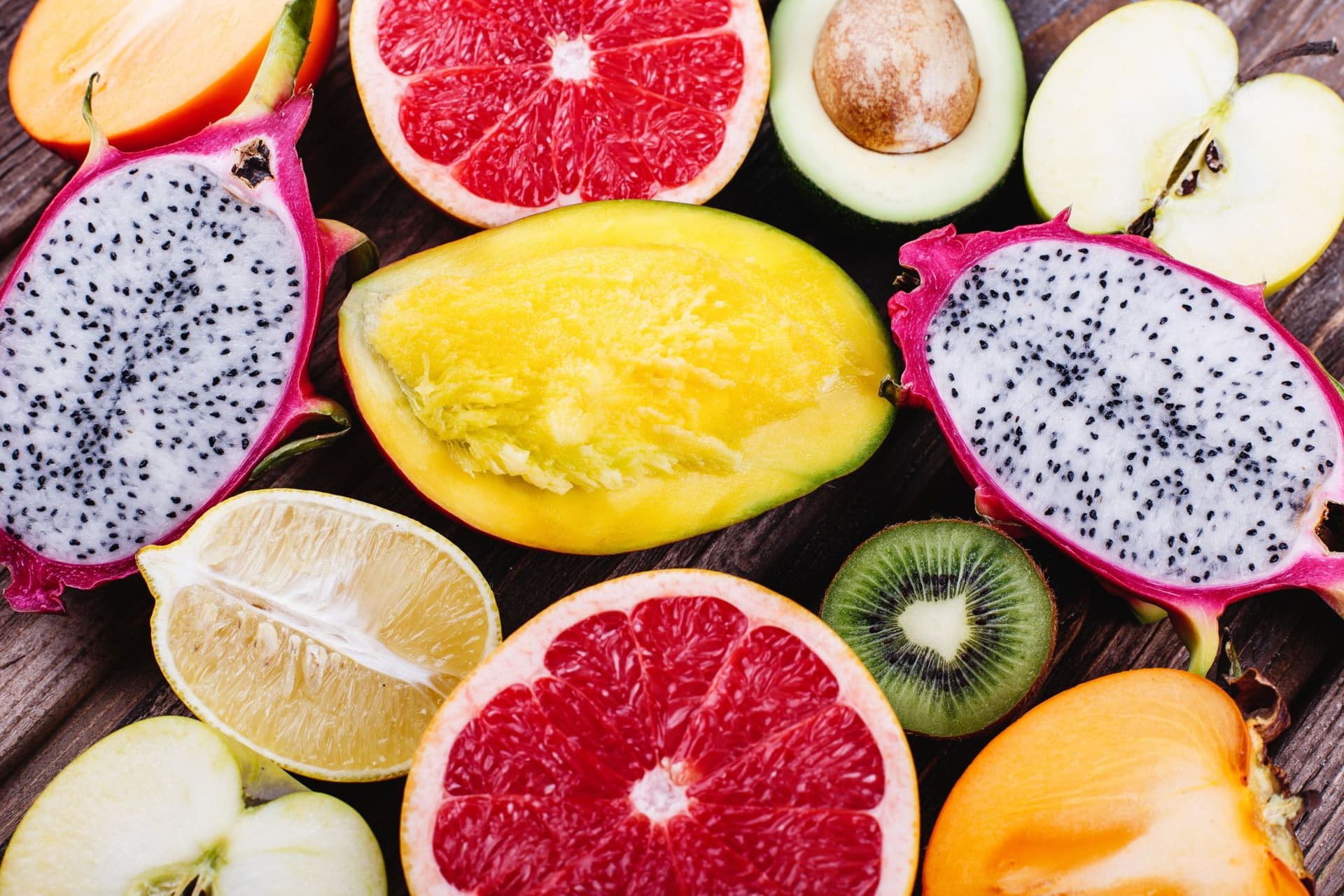
Curious which fruits the world actually eats the most? Here's the top-20 by production volume, an overview of what people choose in each region, and a few figures that defy common assumptions.

Plant Recommendations
20 Most Popular Fruits Around the World
12 Best Cold-Hardy Vegetables for Cold Weather

7 min read · 13 Oct 2026

12 Best Cold-Hardy Vegetables for Cold Weather

Cold-hardy vegetables can keep a garden productive through chilly fall, winter, and early spring weather. This guide covers 12 reliable crops, their frost tolerance, and practical growing tips for better cold-season harvests.

Plant Recommendations
12 Best Cold-Hardy Vegetables for Cold Weather