


7 min read · 24 Aug 2026
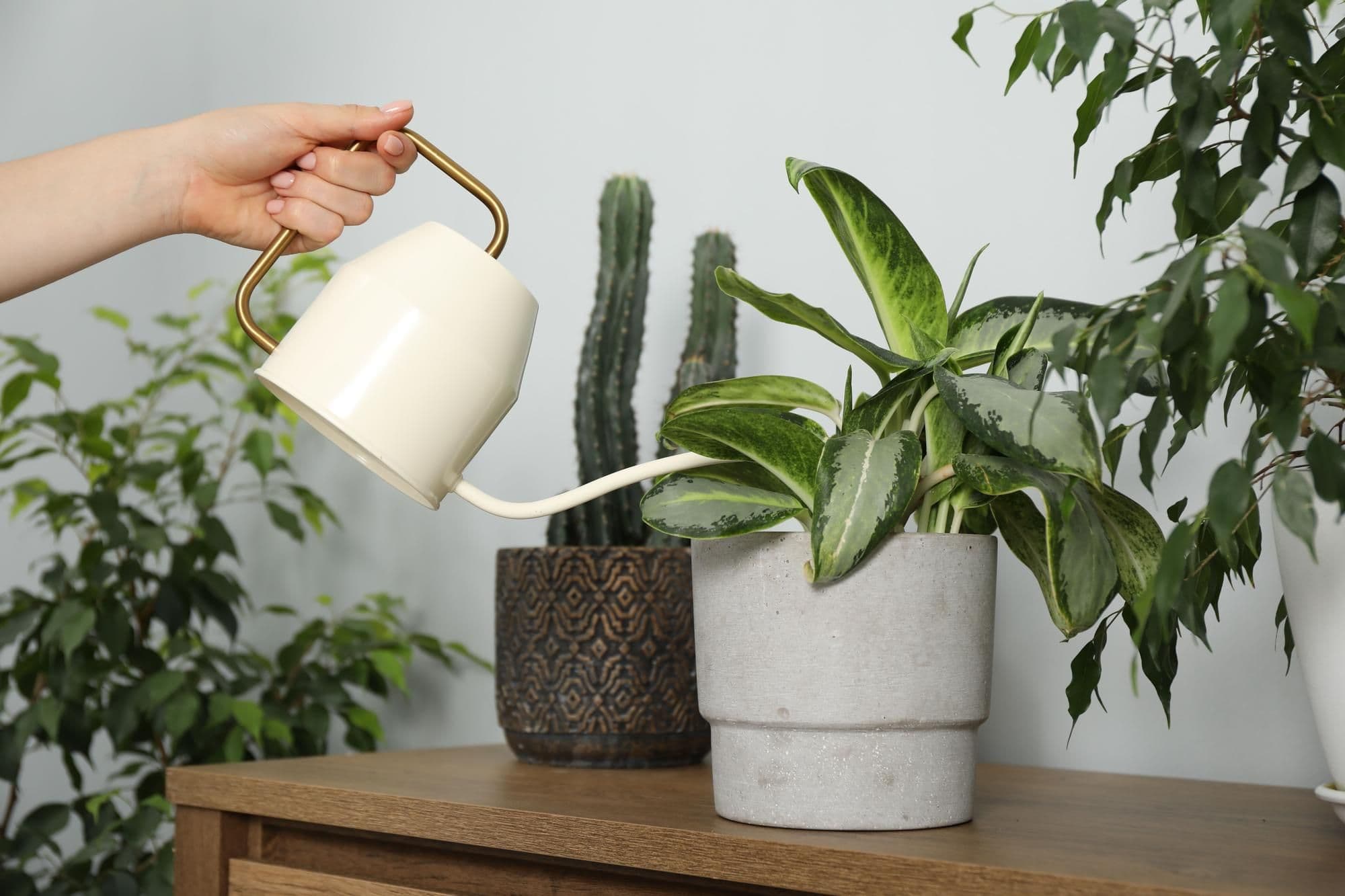
How to Water Houseplants: Watering Guide
Learn how often to water indoor plants, key factors for proper watering, and how to adjust the care routine by plant type, season, pot size, light, and indoor conditions.
Plant Care

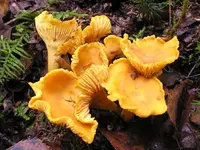
Recognize Golden Chanterelle by its vase-shaped cap, blunt forked ridges that run down the stem, and a solid, tapered stem with no true gills.
Caps are often 2 to 4 inches (5 to 10 cm) wide and usually grow singly or in loose groups.
Use a clear photo to confirm what plant you have.
Clear images work best. Avoid photos taken too close or too far away
Use these quick visual traits to check Cantharellus cibarius.
Check several parts at once, since shape and underside structure are the most useful visual clues.
Cantharellus cibarius shows clear age-related shape changes that can help with visual identification.
Golden Chanterelle is mainly identified during its fruiting season, when the mushroom becomes visible above the forest floor. Fruiting is most often seen from summer into fall, and that is the practical window for recognition. Outside that period, the fungus is usually not visible or lacks dependable above-ground features, so there are no strong off-season identification clues to describe.
Several mushrooms can be mistaken for Cantharellus cibarius at a glance.
jack-o'-lantern(Omphalotus illudens)
Both are orange-yellow and funnel-shaped. Jack-o'-lantern has true, thin gills that run neatly down the stem; chanterelles have blunt, forked ridges.
false chanterelle(Hygrophoropsis aurantiaca)
It shares a similar color and shape. False chanterelle shows many crowded, blade-like gills and a softer, thinner cap; chanterelles have thick ridges, not gills.
woolly chanterelle(Turbinellus floccosus)
Its vase shape and color can mislead. It usually has a deeper central hollow and a cap surface with obvious brownish scales, unlike the smoother cap of true chanterelles.
Cantharellus cibarius is native across much of Europe and is also reported from parts of temperate Asia. It is most often found in deciduous or mixed woodland, especially with oak, beech, and birch, and sometimes with conifers. Habitat is a useful identification clue because true chanterelles grow on the ground in forest leaf litter or moss, not from wood. Finding a similar yellow mushroom in open grassland, wetlands, or directly on logs points away from this species.

Quick Plant ID Check
Not sure what plant you have? Take a photo and identify it in the app
Use Botan to identify or confirm it from a photo, which helps reduce mix-ups when details are hard to judge.
Yes. Habitat is useful for how to identify Golden Chanterelle because it grows on the ground in woods, usually with hardwoods or conifers, not from dead logs. It often appears singly, scattered, or in loose groups.
Identify it from a photo with Botan, then see plant details, care information, and common problems for that species.
7 min read · 24 Aug 2026
Learn how often to water indoor plants, key factors for proper watering, and how to adjust the care routine by plant type, season, pot size, light, and indoor conditions.
13 min read · 28 Jul 2026
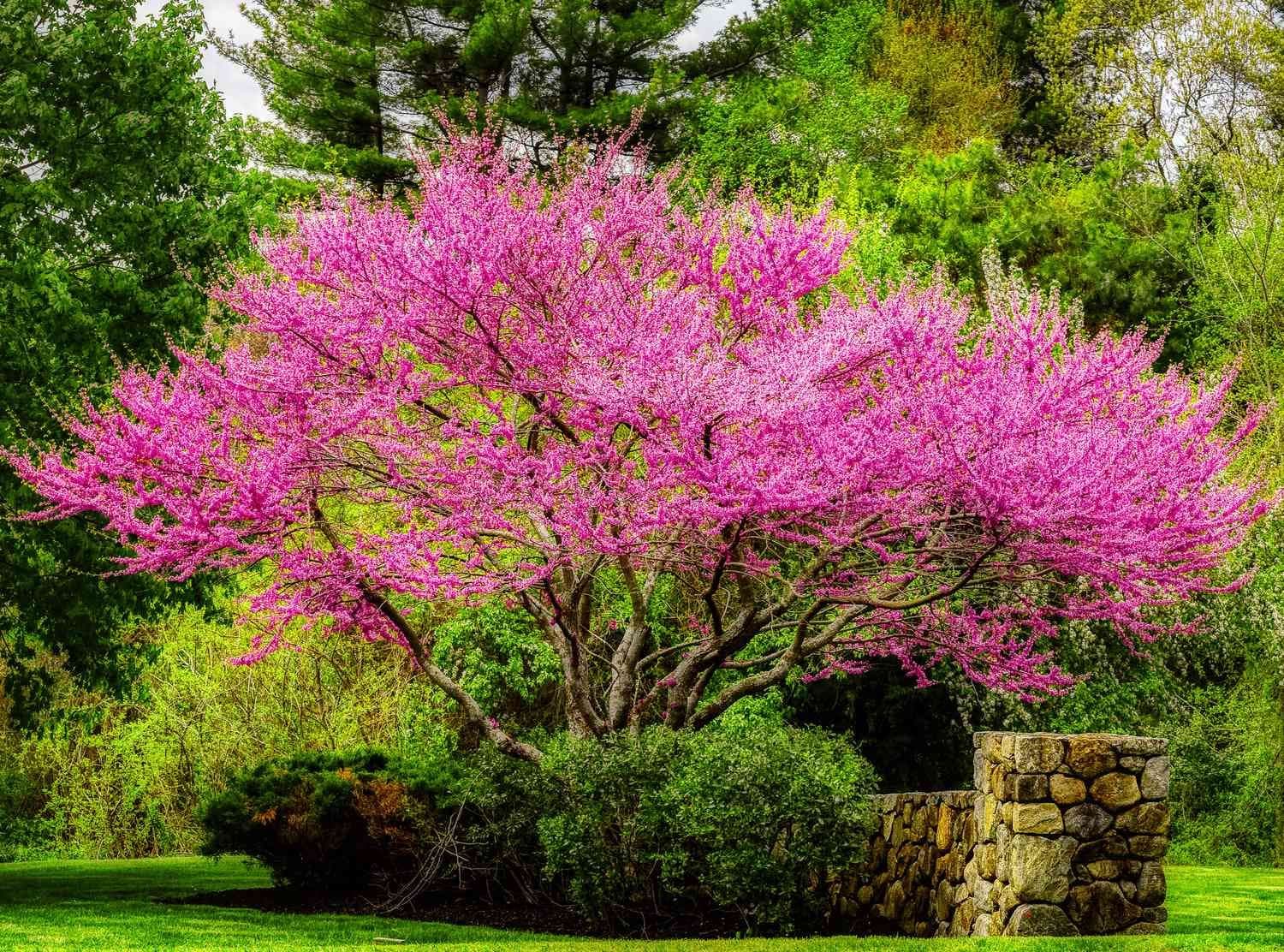
Learn which of the 15 fastest-growing trees will suit your area. We’ll share detailed information on each: growth rate, mature spread, key tree demands, and main vulnerabilities. Read on and make the best choice possible.
6 min read · 4 Aug 2026
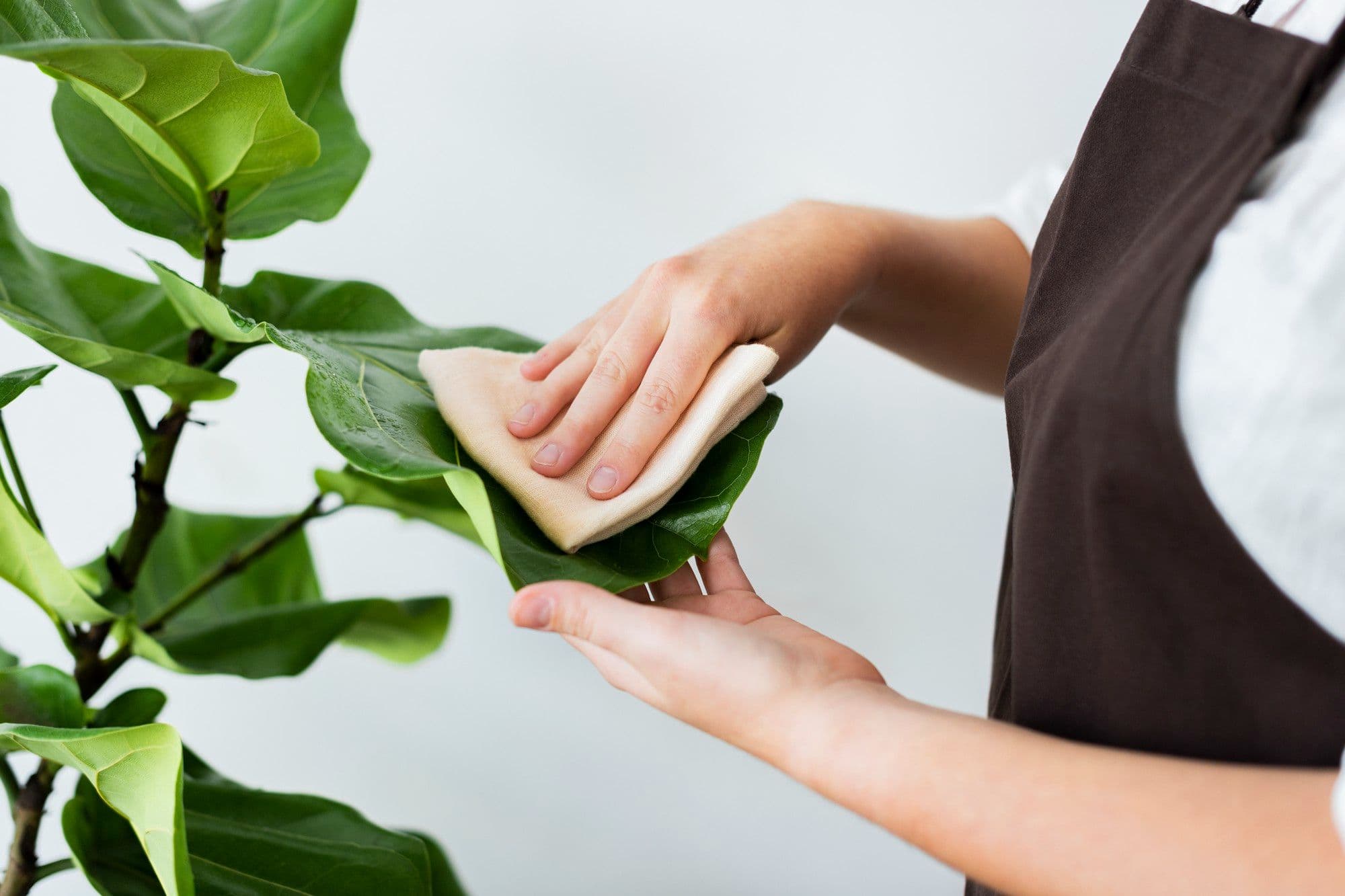
Dusty leaves look dull and don't absorb light well. Below, you'll find simple ways to clean them, which tools are truly effective, how often you should do it, and what causes damage.