Encourage Ground Cover
Plant several individuals 15–25 cm apart and lightly pinch back longer runners in the first season to encourage dense, low matting instead of a few sparse stems when growing Southern Bugle.

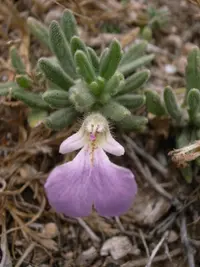
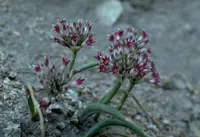
Southern bugle (Ajuga iva) is a low-growing, aromatic perennial herb from the Mediterranean region, often found in dry, rocky, or disturbed sites. It forms small clumps or mats of gray-green, finely divided leaves and produces short flower spikes with pale, tubular blooms that attract pollinators.
This species is adapted to heat and drought, which makes it relatively resilient in dry, sunny gardens with well-drained soil. It stays compact, so it suits rock gardens, edging, and naturalistic plantings.
Because it tolerates poor soils and irregular watering once established, many gardeners find it straightforward to care for Southern Bugle in suitable climates. Ajuga iva prefers open light, moderate moisture, and soils that do not stay waterlogged.

Care Difficulty
Easy Care

Light Preference
Full Sun

Water Requirements
Moderate Water

Temperature Preference
Cool Climate

Hardiness Zone
6–9

Soil Texture
Sandy, Loamy, Rocky

Soil pH
Slightly acidic (6.5–7.0), Slightly alkaline (7.0–7.5)

Soil Drainage
Well-drained

Fertilization
Minimal (feed rarely)
Scan your plant to receive care tips personalized for your specific plant
Available on iOS and Android
Ajuga iva prefers bright conditions with some protection from intense midday sun.
Ajuga iva prefers moderately moist, well-drained soil and does not tolerate prolonged saturation.
This species is adapted to warm, dry climates but tolerates a fair range of outdoor temperatures.
Ajuga iva handles a wide humidity range but grows best in relatively dry air.
Ajuga iva prefers lean, well-drained soil that mimics its native dry, rocky habitats.
This species is suitable for container growing, especially in dry, sunny sites.
Ajuga iva grows well in lean soils but benefits from light, targeted feeding in containers or poor ground.
Ajuga iva responds well to light pruning that keeps the mat dense and healthy.
This species is more often transplanted in the ground than repotted, as it forms a low, spreading mat.
Ajuga iva is commonly propagated by division, with seeds and cuttings as additional options.
Ajuga iva is generally cold hardy in temperate climates and needs only modest winter attention in the ground.

Plant Health Check
Not sure what's wrong with your plant? Check your plant's health inside the app.
This species is a low, woody-based perennial that naturally forms dense mats in dry, rocky Mediterranean habitats, often growing in soils too poor for many other garden plants.
Its small pale-lilac flowers produce accessible nectar that attracts a range of Mediterranean bees and small pollinating insects adapted to foraging close to the ground.
The small, often slightly hairy leaves help reduce water loss, an adaptation that allows the plant to persist through hot, dry summers with minimal moisture.

The species has attracted scientific interest because its essential oil composition varies measurably between different wild populations, making it a useful model for studying how local environment shapes aromatic chemistry in Mediterranean plants.
This species forms low, slowly expanding clumps and short runners, so it spreads modestly rather than aggressively. It usually stays contained if given defined planting areas, making it suitable for rock gardens and small border edges.
Keep your plants happy and healthy with plant identification, disease detection, and easy care guidance.