Pinch young shoots
Lightly pinch back soft new shoot tips in late winter or early spring to encourage a denser, bushier framework and more flowering stems over time.

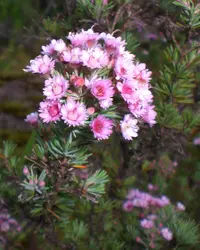
Plumed featherflower (Verticordia plumosa) is a small woody shrub from southwestern Australia, valued for its fine, feathery foliage and soft, plume-like flower clusters. It usually stays compact and bushy, making it suitable for sunny garden borders or specialized native plant collections.
The flowers appear in shades of white to pink and create a delicate, cloud-like effect when in full bloom. Its natural habitat includes sandy, well-drained soils in low-rainfall areas.
This species can be demanding outside its native climate, mainly due to its need for excellent drainage and low humidity. Gardeners who learn how to care for plumed featherflower often have best results in warm, bright, and dry conditions with lean, sandy soil.

Care Difficulty
Hard Care

Light Preference
Full Sun

Water Requirements
Low Water

Temperature Preference
Tropical / Frost Sensitive

Hardiness Zone
10–11

Soil Texture
Sandy, Loamy, Rocky

Soil pH
Acidic (5.5–6.5)

Soil Drainage
Well-drained

Fertilization
Minimal (feed rarely)
Scan your plant to receive care tips personalized for your specific plant
Available on iOS and Android
This species thrives in bright, open conditions that mimic its native Australian heathlands.
Watering should support a deep but infrequent pattern that matches this shrub’s preference for well-drained, sandy or gravelly soils.
This plant prefers mild, dry climates and copes poorly with heavy frost or very humid heat.
This species prefers dry, airy conditions and usually thrives in 30–45% humidity.
This shrub needs very free-draining, sandy soil to prevent root rot and maintain vigor.
This species can be grown in containers if drainage is excellent and the pot dries quickly between waterings.
This nutrient-sensitive Australian native prefers very light feeding and lean, well-drained soils.
Thoughtful light pruning keeps Verticordia plumosa compact and flowering well.
This shrub dislikes root disturbance, so transplant or up-pot only when clearly necessary.
Verticordia plumosa is usually propagated by semi-hardwood cuttings under carefully controlled conditions.
This species prefers mild, frost-free conditions and needs protection in colder climates.

Plant Health Check
Not sure what's wrong with your plant? Check your plant's health inside the app.
This species produces clusters of very small, fringed pink to mauve flowers that collectively form a soft, feathery plume, created by finely divided sepals that resemble delicate hairs when viewed up close.
In nature it is largely restricted to deep, well-drained granitic sands and colluvial slopes near the south coast of Western Australia, where it grows in low heath and open shrubland communities.
Populations often regenerate after bushfire, as fire opens the habitat, alters soil conditions, and can stimulate mass germination from the soil seed bank in its native heathlands.

Verticordia plumosa is considered conservation-significant in parts of its limited native range in southwestern Western Australia, because many populations occur in fragmented coastal habitats that are vulnerable to land use change, invasive species, and altered fire regimes.
The flowers produce abundant nectar and pollen, so this species is highly attractive to native bees, small wasps, and occasionally butterflies. It works well in pollinator-friendly gardens, especially in dry, low-phosphorus, sandy conditions.
Keep your plants happy and healthy with plant identification, disease detection, and easy care guidance.