Dayflower tradescantia Care (Tradescantia commelinoides)

Dayflower tradescantia

About Dayflower tradescantia

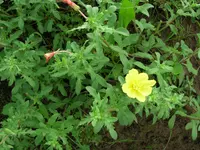
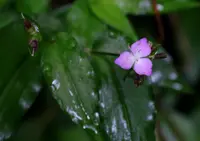
Dayflower tradescantia (Tradescantia commelinoides) is a trailing or creeping perennial often grown as a groundcover or cascading container plant. It forms soft, leafy mats with small, three-petaled flowers that open for a short time during the day.

In nature, it occurs in warm, humid regions of Central and South America, where it grows in light shade and moist, well-drained soils. Its vigorous growth and ability to root at stem nodes make it easy to propagate and generally straightforward to manage indoors or outdoors.

Understanding how to care for Dayflower tradescantia mainly involves giving it stable moisture, moderate light, and protection from extreme cold or hot, dry conditions.

Main Plant Requirements

Care Difficulty

Easy Care

Light Preference

Partial Shade

Water Requirements

Moderate Water

Temperature Preference

Tropical / Frost Sensitive

Hardiness Zone

9–11

Soil Texture

Loamy, Silty, Organic-rich

Soil pH

Acidic (5.5–6.5), Slightly acidic (6.5–7.0)

Soil Drainage

Moist but well-drained

Fertilization

Light (every 4–6 weeks)

Get Personalized Care Plan

Scan your plant to receive care tips personalized for your specific plant

Available on iOS and Android

How to Care for the Dayflower tradescantia

This species grows best with bright light but protection from harsh midday sun.

  • Provide 4–6 hours of morning sun or bright, filtered light under open shade; dappled light beneath taller plants suits Dayflower tradescantia well.
  • Tolerates partial shade, but stems may stretch and foliage color fade if it receives less than about 3–4 hours of bright light per day.
  • Avoid strong afternoon sun, which can scorch leaves and cause dry, crispy tips, especially in summer; increase light again in winter when the sun is weaker.

Tradescantia commelinoides prefers evenly moist soil that never stays soggy for long periods.

  • Water when the top 2–3 cm of soil feels dry to the touch; soil below should feel slightly moist but not wet or sticky.
  • Use free-draining soil so excess water runs off quickly; yellowing, limp stems suggest overwatering, while crisp leaf edges and wilting indicate the plant stayed dry too long.
  • In active growth during spring and summer, moisture demand is higher; in cooler seasons, allow the top layer to dry a bit deeper and space out watering to match slower use.

This plant prefers mild, frost-free conditions for reliable growth.

  • Ideal growth occurs around 65–80°F (18–27°C), where stems spread quickly and foliage stays lush.
  • It can tolerate brief drops to about 40°F (4°C), but growth slows and foliage may be damaged below this; it is not frost hardy and repeated freezes can kill top growth.
  • In hot spells above 90°F (32°C), provide extra shade and soil moisture; during cooler months, protect from cold winds and move cuttings or potted sections to warmer spots if frost is forecast.

This species prefers moderate humidity but usually adapts well to typical home conditions.

  • Aim for 40–60% humidity to keep foliage lush and reduce leaf-edge browning.
  • It tolerates short periods of drier air, but prolonged levels below 30% may cause crispy tips and slowed growth in Dayflower tradescantia.
  • Increase humidity by grouping plants, placing the pot on a pebble tray with water, or running a nearby humidifier.

Tradescantia commelinoides grows best in a loose, airy, fast-draining potting medium.

  • Use a mix of 60–70% all-purpose potting mix with 20–30% perlite and 10–20% fine bark or coarse sand for structure and porosity.
  • Aim for slightly acidic to neutral pH, around 6.0–7.0, which supports nutrient availability and stable growth.
  • Ensure water drains quickly and the mix never stays waterlogged, since saturated conditions lead to stem rot and root suffocation.
  • Improve aeration by avoiding heavy garden soil and by lightly fluffing the mix before potting, not compressing it tightly.

This species is well suited to container growing both indoors and outdoors in mild climates.

  • Choose a wide, shallow pot to accommodate its creeping stems and encourage even, trailing coverage over the rim.
  • Select a slightly heavier or ceramic container outdoors to prevent the plant from tipping as stems sprawl and catch wind.
  • Use pots with multiple drainage holes so excess water escapes rapidly, preventing soggy zones that cause lower-stem rot.

Tradescantia commelinoides responds well to moderate feeding during active growth in spring and summer.

  • Use a balanced liquid fertilizer (such as 10-10-10 or 20-20-20) diluted to 1/2 strength for Dayflower tradescantia in containers.
  • Feed every 4–6 weeks during the growing season, applying to moist soil to prevent root burn.
  • Skip or very lightly feed in winter when growth slows, especially for indoor plants.
  • In beds, light compost or a slow-release fertilizer in spring is usually sufficient for the season.

Pruning Tradescantia commelinoides helps maintain dense, tidy growth and encourages fresh shoots.

  • Lightly trim stems in spring or early summer to shape plants and limit spreading.
  • Pinch back soft tips above a leaf node to promote branching and fuller mats of foliage.
  • Remove dead, damaged, or leggy stems at the base using clean, sharp scissors or pruners.
  • Shear back flower-spent, sprawling patches by up to 1/3, then water to support regrowth.

This species adapts well to both containers and ground, but occasional repotting or transplanting keeps it vigorous.

  • Repot container plants every 1–2 years in spring when roots circle the pot or growth becomes sparse.
  • Move to a container 2–5 cm wider with fresh, well-draining mix, keeping the root ball level with the new soil surface.
  • Water thoroughly after repotting, then keep soil slightly moist and shaded for a few days to limit transplant stress.
  • For garden clumps, lift and transplant or divide in spring or early fall when soil is cool and workable.

Tradescantia commelinoides is commonly propagated to expand groundcover or share plants.

  • Stem cuttings in spring–summer root well in water or directly in moist potting mix, with at least 1–2 nodes buried.
  • Division of dense clumps in spring allows instant new plants; replant sections at the same depth.
  • Keep cuttings or divisions in bright, indirect light and evenly moist conditions until established.
  • Seeds can be sown in spring in a light, moist seed mix at 65–75°F, though this is slower than cuttings.

In many mild climates this plant is fairly cold tolerant, but some winter care improves survival and regrowth.

  • Tolerates light frost; in colder regions, top growth may die back while roots survive.
  • Apply a 5–8 cm mulch layer over the root zone in late fall to buffer freeze–thaw cycles.
  • In containers, move plants indoors or to a frost-free, bright area before hard freezes.
  • Reduce watering in winter, keeping soil just barely moist to prevent root rot in cool conditions.

Care Tips

Pinch For Bushiness

Regularly pinch out the soft tips of stems with clean fingers or scissors to encourage dense, branching growth instead of long, straggly runners.

Rotate Trailing Stems

Every 2–3 weeks rotate the pot and gently reposition trailing stems so light reaches different sides, which keeps foliage even and reduces bare, woody sections near the base.

Refresh Leggy Planters

When older stems become sparse, cut healthy tip cuttings, replant them back into the same pot, and discard the bare older sections to quickly rejuvenate a thinning plant.

Use Shallow Containers

Choose wide, shallow pots rather than deep ones so the shallow root system can fill the container evenly, which supports a fuller canopy and reduces the risk of soggy, unused lower soil.

Quarantine New Plants

Always keep new plants in a separate area for 2–3 weeks and inspect leaves and stems closely before placing them nearby, which helps prevent pest outbreaks when growing Dayflower tradescantia indoors or outdoors.

Common Pests and Diseases

Spider mites

This pest thrives on Tradescantia foliage in warm, dry conditions and feeds by sucking sap, causing stippling, dull leaves, and fine webbing between stems and leaves.

Solution

Rinse foliage thoroughly with a strong but gentle stream of water, then increase humidity and isolate the plant; for persistent infestations, apply insecticidal soap or a neem oil spray to both upper and lower leaf surfaces every 5–7 days until no new damage appears.

Mealybugs

These insects hide in leaf nodes and along stems, appearing as white cottony clusters and causing distorted growth and sticky honeydew on nearby surfaces.

Solution

Remove visible clusters with a cotton swab dipped in 70% isopropyl alcohol, trim heavily infested stems, and repeat inspections weekly; if needed, use insecticidal soap or neem oil, ensuring good coverage of crevices where mealybugs shelter.

Leaf spot

This disease causes small water-soaked lesions that expand into brown or tan spots, often with yellow halos, especially on crowded or overwatered plants.

Solution

Remove and discard affected leaves, avoid wetting the foliage, and improve air circulation around the plant; if spotting continues to spread, reduce watering frequency and consider a copper-based fungicide according to label directions as part of broader Tradescantia commelinoides plant care.

Botrytis blight

This disease develops in cool, humid conditions and leads to soft, brown, collapsing tissues on leaves and stems, often covered with gray fuzzy mold.

Solution

Cut away all affected parts back to healthy tissue, dispose of debris, and allow the soil surface and foliage to dry between waterings; increase airflow, lower humidity around the plant, and reserve fungicidal treatment for severe or recurring cases where environmental adjustments are not sufficient.

Interesting Facts

Moist woodland specialist

This species naturally occurs in humid, shaded habitats such as streambanks and forest edges in parts of Mexico and Central America, where it forms loose groundcover among leaf litter and rocks.

Decumbent rooting stems

Its creeping, slightly arching stems root at the nodes where they touch moist substrate, allowing clonal colonies to expand slowly along the forest floor without forming dense, choking mats.

Subtle three-petaled flowers

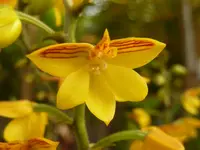
The plant produces small, three-petaled flowers with delicate white to pale bluish petals and conspicuous yellow anthers, typical of the Commelinaceae family but smaller and less showy than many related Tradescantia species.

FAQs about Dayflower tradescantia

This species spreads by creeping stems and self-seeding, so it can become patch-forming and somewhat aggressive in mild, moist climates. Use edging, containers, or regular trimming to keep it within boundaries and protect nearby smaller plants.

Grow Healthy Plants with Botan Care

Keep your plants happy and healthy with plant identification, disease detection, and easy care guidance.

Botan plant care app — identify plants on mobile

Explore More Plants