Viola montcaunica Care

About Viola montcaunica

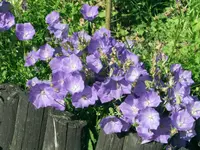
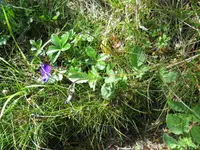
Viola montcaunica is a small perennial violet, forming low clumps with delicate, usually purple to violet flowers and rounded, often slightly toothed leaves. It has a compact habit that suits rock gardens, alpine beds, and troughs.

This species is native to montane or subalpine regions, where it grows in cool, well-drained, often rocky soils. It prefers consistent moisture without waterlogging and benefits from bright light with some protection from intense midday sun.

Its modest size, steady growth, and relatively resilient nature make it manageable for gardeners with basic experience. Learning how to care for Viola montcaunica mainly involves providing cool conditions, drainage, and protection from extreme heat.

Main Plant Requirements

Care Difficulty

Moderate Care

Light Preference

Partial Shade

Water Requirements

Moderate Water

Temperature Preference

Cool Climate

Hardiness Zone

Unknown

Soil Texture

Loamy, Silty, Organic-rich

Soil pH

Acidic (5.5–6.5), Slightly acidic (6.5–7.0)

Soil Drainage

Moist but well-drained

Fertilization

Minimal (feed rarely)

Get Personalized Care Plan

Scan your plant to receive care tips personalized for your specific plant

Available on iOS and Android

How to Care for the Viola montcaunica

This alpine violet prefers cool, bright conditions with gentle sun exposure.

  • Provide 3–5 hours of direct morning sun with light shade or dappled light from midday onward, especially in summer.
  • Allow partial shade in the afternoon; in hotter regions, aim for high bright shade all day to prevent leaf scorch and flower fade.
  • Watch for pale, stretched stems as a sign of too little light and crispy, browned leaf edges as a sign of too much intense sun for Viola montcaunica.

This species prefers consistently moist but not waterlogged soil.

  • Water when the top 2–3 cm of soil feel slightly dry, aiming for evenly moist soil around the root zone rather than cycles of full drying and soaking.
  • In spring and early summer, check moisture more often during active growth; reduce watering in late summer and fall as flowering slows and temperatures drop.
  • Ensure sharply drained, humus-rich soil; yellowing, soft leaves suggest overwatering and root stress, while limp, dull foliage and drooping stems indicate the plant is too dry.

This plant performs best in cool, stable outdoor temperatures.

  • Aim for 50–68°F (10–20°C) during active growth, which supports steady leaf and flower development without heat stress.
  • The plant tolerates light frost down to about 23–25°F (-5 to -4°C) once established, but extended freezes below this can damage crowns and roots.
  • In hot spells above 77–82°F (25–28°C), provide extra shade and mulch to keep roots cool, as prolonged high heat reduces flowering and can cause premature dieback.

This species prefers moderately moist air but tolerates typical outdoor humidity ranges.

  • Aim for 40–60% humidity, as very dry air slows growth and can increase leaf-edge drying in Viola montcaunica.
  • Watch for curled, crispy leaf margins and slow flower development as signs of low humidity stress.
  • Increase humidity by grouping pots, placing them near moist ground cover, or using a shallow pebble tray that never lets roots sit in water.

This violet needs loose, moist, well-drained soil that does not stay waterlogged.

  • Use a fine-textured loam with high organic matter, such as garden loam mixed with leaf mold or compost, to mimic woodland conditions for Viola montcaunica.
  • Ensure free drainage by adding 20–30% coarse sand or fine grit so water moves through while roots stay evenly moist.
  • Target slightly acidic to neutral pH around 6.0–7.0, avoiding strongly alkaline soils that can limit nutrient uptake and weaken growth.
  • Improve aeration by working in crumbly compost rather than heavy clay or peat-only mixes, and avoid compacted or crusted surfaces that exclude air from roots.

This species grows reliably in containers if moisture and drainage are carefully managed.

  • Choose a wide, relatively shallow pot to match its fibrous, surface-leaning roots and maintain even moisture without deep saturation.
  • Use a heavier material such as terracotta or stone-filled cachepots in windy sites so the container stays stable as foliage spreads.
  • Elevate the pot slightly on feet or bricks so drainage holes stay clear and excess water exits quickly after rain or irrigation.

This mountain violet benefits from light feeding but grows reasonably well in modest soils.

  • Apply a balanced, low-dose liquid fertilizer (such as 10-10-10) at 1/2 strength every 4–6 weeks in spring–early summer for Viola montcaunica.
  • Use a thin top-dressing of fine compost around the plants instead of heavy granular products.
  • Avoid feeding in late fall and winter when growth slows or stops.
  • Water before and after applying fertilizer to limit root burn and improve nutrient uptake.

Pruning needs are minimal and focus on tidiness and sustained flowering.

  • In late spring and midsummer, deadhead spent flowers and remove yellowing leaves to encourage fresh blooms.
  • Cut back damaged, diseased, or winter-burned growth with clean, sharp scissors or hand pruners.
  • Thin crowded stems lightly to improve airflow and reduce foliar disease risk.
  • Avoid hard cutting into healthy crowns, as this can weaken Viola montcaunica and reduce flowering.

This species is usually grown in the ground, so focus on gentle transplanting rather than frequent repotting.

  • Transplant in early spring or early fall, choosing cool, overcast days to limit stress on Viola montcaunica.
  • Move plants when growth slows, flowering declines, or clumps become congested and crowd neighboring plants.
  • Lift clumps with a trowel, keeping soil around the roots, and replant at the same depth in well-drained, humus-rich soil.
  • Water thoroughly after transplanting, then keep soil lightly moist for 1–2 weeks to help roots re-establish.

This violet is most often propagated by division or seed under cool, moist conditions.

  • Divide mature clumps in early spring or early fall, ensuring each division has several leaves and healthy roots.
  • Sow fresh seeds in trays outdoors in late summer–fall so natural winter chilling breaks dormancy.
  • Use a loose, well-drained seed mix and keep it evenly moist, not waterlogged, during germination.
  • Provide bright, indirect light and cool temperatures to support steady early growth after seedlings emerge.

This mountain violet is generally cold hardy in temperate climates and needs only modest winter attention.

  • Tolerates light to moderate frost once established, especially in well-drained soil.
  • Apply a 3–5 cm layer of leaf mold or fine bark mulch around the root zone after the ground cools.
  • Avoid waterlogged conditions in winter, which increase root rot risk.
  • For containers, move pots to a sheltered, unheated but frost-sheltered spot to prevent root freeze-thaw damage.

Care Tips

Alpine-style drainage

Plant on a slight mound or in a raised rock pocket so excess rain or irrigation can run off quickly, which helps prevent crown and root rot in this mountain species.

Cool root zone

Mulch lightly with fine grit or small gravel rather than organic mulch to keep the root zone cool and dry at the surface while still allowing good air movement around the crown.

Snow and frost care

In cold regions, allow natural snow cover to insulate plants but brush off heavy, crusted snow or ice to avoid mechanical damage to the delicate rosettes and emerging buds.

Gentle division timing

If clumps become crowded, divide very early in spring or just after flowering, keeping divisions small with intact root systems and replanting immediately to reduce stress.

Summer heat protection

In hotter climates, use a temporary shade cloth or plant on an east-facing slope to shield plants from intense afternoon sun and hot, drying winds when growing Viola montcaunica.

Common Pests and Diseases

Powdery mildew

This disease causes a white, powdery coating on leaves, flower stalks, and sometimes buds, especially in dense plantings or during dry days with cool, humid nights. Symptoms include distorted growth and reduced flowering if the infection is heavy.

Solution

Remove heavily infected leaves and any badly affected flower stems, and dispose of them in the trash. Improve air circulation, avoid overhead watering, water at the base in the morning, and if needed use a sulfur or potassium bicarbonate fungicide labeled for ornamentals, following label directions closely as part of general Viola montcaunica care instructions.

Downy mildew

This disease produces yellow or pale leaf patches on the upper surface and a grayish or purplish fuzzy growth on the underside, often in cool, wet conditions. Symptoms include leaf drop and general decline if moisture remains on foliage for long periods.

Solution

Space plants to improve airflow, water at soil level, and avoid evening overhead irrigation. Remove and discard infected leaves, and in wet seasons consider a preventative copper-based fungicide labeled for downy mildew on ornamentals, rotating products if used repeatedly to reduce resistance risk.

Leaf spot

This disease causes small brown, purple, or tan spots on leaves that may merge into larger dead areas under prolonged cool, moist conditions. Symptoms include premature leaf drop and a thinning clump if infections recur over several seasons.

Solution

Promptly remove and discard spotted leaves and any plant debris around the crowns to limit fungal spread. Keep foliage as dry as possible, irrigate at the base, and use a broad-spectrum ornamental fungicide during extended wet periods if cultural measures are not sufficient.

Slugs and snails

These pests chew irregular holes in leaves and young flower stalks, often leaving slime trails on or around the plants. Symptoms include shredded foliage and damaged buds, particularly in damp, shaded plantings or mulched beds.

Solution

Hand-pick slugs and snails in the evening or early morning, and reduce hiding spots such as dense mulch directly against crowns. Use iron phosphate slug bait labeled for garden use around but not touching the plants, and maintain slightly drier soil surfaces where possible without allowing the plant to dry out completely.

Aphids

These insects cluster on young stems, leaf undersides, and flower stalks, sucking sap and excreting sticky honeydew that can attract sooty mold. Symptoms include curled or distorted new growth and reduced vigor during active growth and flowering periods.

Solution

Wash colonies off with a strong but controlled stream of water, focusing on the undersides of leaves and tender tips. If populations remain high, apply insecticidal soap or a light horticultural oil, making sure to cover all plant surfaces and repeating as directed until pressure is reduced, while also encouraging natural predators like lady beetles by avoiding broad-spectrum insecticides nearby.

Interesting Facts

Endemic Pyrenean violet

This species is a narrow endemic of the eastern Pyrenees in France and Spain, where it is naturally restricted to high-mountain habitats on Mont Canigou and surrounding massifs.

Specialist limestone plant

It grows almost exclusively on calcareous, rocky substrates, often in crevices and scree, showing a strong preference for limestone-rich soils and cliff ledges.

High-altitude adaptation

The plant forms low, compact rosettes that help it withstand strong winds, intense UV radiation, and temperature fluctuations typical of alpine and subalpine zones.

FAQs about Viola montcaunica

This species typically has a main bloom in spring to early summer, with a possible lighter rebloom if conditions stay cool and moist. Removing spent flowers and preventing severe drought helps extend the overall flowering period.

Grow Healthy Plants with Botan Care

Keep your plants happy and healthy with plant identification, disease detection, and easy care guidance.

Botan plant care app — identify plants on mobile

Explore More Plants