Carpathian bellflower Care (Campanula carpatica)

Also known as: Carpathian bellflower
Carpathian bellflower

About Carpathian bellflower

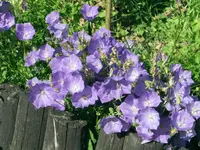
Carpathian bellflower, Campanula carpatica, is a compact, herbaceous perennial valued for its neat mounding habit and abundant bell-shaped flowers. It typically forms low cushions of fine, green foliage topped with blue, violet, or white blooms in summer.

This species comes from the Carpathian Mountains of Central and Eastern Europe, where it grows in rocky meadows and open slopes. Its alpine origin makes it relatively cold-hardy and suited to well-drained, often stony soils.

Campanula carpatica is generally considered easy to grow if given enough light, good drainage, and moderate moisture. Once its basic needs are understood, it is straightforward to care for Carpathian bellflower in most temperate gardens.

Main Plant Requirements

Care Difficulty

Moderate Care

Light Preference

Full Sun

Water Requirements

Moderate Water

Temperature Preference

Cold Hardy

Hardiness Zone

3–8

Soil Texture

Sandy, Loamy, Rocky

Soil pH

Acidic (5.5–6.5), Slightly acidic (6.5–7.0)

Soil Drainage

Well-drained

Fertilization

Light (every 4–6 weeks)

Get Personalized Care Plan

Scan your plant to receive care tips personalized for your specific plant

Available on iOS and Android

How to Care for the Carpathian bellflower

This alpine perennial prefers bright conditions with protection from intense midday sun.

  • Provide 4–6 hours of direct morning sun with light or dappled shade in the afternoon, especially in warmer regions.
  • Tolerates partial shade, but flowering of Carpathian bellflower is best when it receives at least 3–4 hours of direct light during the growing season.
  • In very hot summers, use taller plants or light shade cloth to filter harsh sun and prevent leaf scorch or faded blooms.

This species prefers steadily moist but not saturated soil during active growth.

  • Water when the top 2–3 cm of soil feels dry, soaking the root zone thoroughly, then let excess drain away so the soil does not stay waterlogged.
  • Reduce watering frequency in cool or rainy periods, but in hot, windy weather check soil moisture more often to prevent complete drying and wilting.
  • Yellowing, soft leaves and a sour soil smell indicate overwatering, while limp, crisp foliage and shrinking flower buds suggest underwatering in Campanula carpatica.

This hardy perennial tolerates a wide temperature range but flowers best in cool to mild conditions.

  • Optimal growth occurs around 60–75°F (16–24°C), with cooler nights promoting compact growth and abundant flowering.
  • The plant tolerates cold down to about -20°F (-29°C) in the ground when established, but young plants benefit from mulch for winter root protection.
  • In summer, growth may slow above 85°F (29°C); provide extra mulch and consistent soil moisture to reduce heat stress and prevent scorching.

This species accepts typical indoor humidity but performs best with slightly moist air.

  • Aim for 40–60% humidity; it tolerates short dry spells but avoid very arid air near heaters or vents.
  • Crisping leaf edges and stalled buds indicate low humidity stress in Carpathian bellflower.
  • Increase humidity with a pebble tray under the pot or by grouping plants, rather than frequent misting.

Campanula carpatica prefers loose, airy, evenly moist but not waterlogged soil.

  • Use a light loam-based mix with 40–60% compost plus mineral material such as perlite or coarse sand for structure.
  • Ensure rapid drainage; water should pass through within seconds and the surface should not stay soggy longer than 1–2 hours.
  • Target slightly acidic to neutral pH around 6.0–7.0; avoid strongly acidic or chalky, compacted ground.
  • Improve aeration by mixing in 10–20% fine bark or grit and avoid planting where clay forms standing water.

This species is well suited to container growing on balconies, patios, and small outdoor spaces.

  • Choose a pot just 3–5 cm wider than the root ball so the mix dries evenly and roots fill the space quickly.
  • Pick a relatively shallow but broad container to accommodate its spreading habit without excessive soil depth that stays wet.
  • Use a heavier material such as ceramic if the container is exposed to wind so the plant’s leafy mound does not tip the pot.

Balanced, moderate feeding supports compact growth and repeat flowering in Carpathian bellflower.

  • Use a balanced liquid fertilizer (for example 10-10-10) at 1/2 strength every 4–6 weeks during spring and summer.
  • Alternatively, scratch a small amount of slow-release balanced granules into the top 2–3 cm of soil in early spring.
  • In rich garden soil, supplement with a light layer of compost once in spring instead of frequent synthetic feeding.
  • Stop feeding in late summer and avoid fertilizing through fall and winter to prevent soft, frost-tender growth.

Thoughtful pruning keeps Campanula carpatica compact and encourages longer flowering.

  • In late spring and during bloom, deadhead spent flowers with clean scissors or pruners to extend flowering.
  • After the main flush, lightly shear back stems by 1/3 to promote a neater mound and a second bloom.
  • Remove dead, damaged, or weak stems at the base at the end of the growing season.
  • Disinfect tools before use and make clean cuts to reduce disease entry points.

Campanula carpatica is usually grown in borders or rock gardens and benefits more from careful transplanting than frequent repotting.

  • Transplant or up-pot in early spring or early fall, when temperatures are mild and soil is evenly moist.
  • Look for roots circling the pot, water running straight through, or stunted growth as signs a container plant needs more space.
  • Gently loosen circling roots and replant into well-drained soil at the same depth, firming soil lightly around the crown.
  • Water thoroughly after moving, then keep soil slightly moist and shade from intense sun for 3–5 days to reduce transplant shock.

New plants of Campanula carpatica are most often produced by division or seed.

  • Divide mature clumps in early spring or early fall, lifting the plant and teasing apart sections with roots and several shoots.
  • Replant divisions immediately into moist, well-drained soil, spacing to allow airflow and future spread.
  • Sow fresh seeds on the soil surface in late winter or early spring; they need light to germinate.
  • Maintain 60–70°F, bright indirect light, and consistently moist (not waterlogged) medium until seedlings establish.

This species is generally cold hardy and needs only light winter care in most temperate gardens.

  • Established plants tolerate frost and snow once dormant, especially in well-drained soil.
  • After the first hard frost, cut back dead flower stems, leaving basal foliage if still green.
  • Apply a 3–5 cm mulch layer around the root zone in late fall, keeping mulch away from the crown.
  • Move containers into a sheltered, unheated spot to avoid waterlogged, repeatedly frozen media.

Care Tips

Encourage Compact Growth

Pinch back the soft tips of stems in early spring and again after the first flush of blooms to keep the plant low, dense, and covered in flowers rather than producing lanky, open growth.

Timed Shear For Rebloom

Right after the main flowering flush fades, shear the entire mound back by about 1/3 and lightly clean up spent stems to trigger a strong second wave of buds within a few weeks.

Use Gritty Topdressing

Apply a 0.5–1 cm layer of fine gravel or coarse sand around the crown to keep the collar dry, reduce soil splash on leaves, and lower the risk of crown and stem rot when growing Carpathian bellflower.

Edge Protection Strategy

When planting near paths or lawn, set the crown 2–3 cm back from edging stones or mow lines so it does not suffer from mechanical damage from feet, tools, or string trimmers.

Winter Drainage Check

Before winter, confirm that soil around the crown drains freely by watering and observing how fast it disappears, and if water lingers more than 20–30 minutes, improve drainage with added grit or a slight slope to prevent freeze–thaw rot.

Common Pests and Diseases

Powdery mildew

This disease produces white, powdery patches on leaves, stems, and flower buds, especially in warm, dry conditions with poor air movement. Symptoms include distorted new growth and a dull, grayish cast over the foliage.

Solution

Improve air circulation by thinning crowded plants and avoid overhead watering, keeping foliage as dry as possible. Remove heavily infected leaves, then treat remaining plants with a sulfur or potassium bicarbonate fungicide labeled for ornamentals, applied according to the product directions.

Leaf spots

This disease causes small brown, tan, or purple lesions on leaves that may merge into larger blotches, often appearing after periods of prolonged moisture. Symptoms include premature yellowing and leaf drop, which weakens the plant and reduces flowering.

Solution

Remove and dispose of affected leaves and any fallen debris around the plant to reduce inoculum. Water at the base in the morning, avoid wetting foliage, and in severe or recurring cases apply a broad-spectrum ornamental fungicide during extended wet periods.

Aphids

These insects cluster on tender stems, buds, and the undersides of leaves, sucking sap and excreting sticky honeydew. This pest can cause curling or distortion of new growth and may attract sooty mold on the leaf surface.

Solution

Spray plants with a strong stream of water to dislodge colonies, repeating as needed. For persistent infestations, use insecticidal soap or a horticultural oil, making sure to coat the undersides of leaves and young shoots, and avoid application during high heat.

Slugs and snails

These pests chew irregular holes in leaves and flowers, often leaving only the midrib and a shiny slime trail. Damage is most noticeable after cool, damp nights and can disfigure the compact mounds of foliage and blooms.

Solution

Hand-pick slugs and snails in the evening, and use barriers such as copper tape or coarse grit around planting areas. Where populations are high, apply iron phosphate slug bait according to label directions and reduce hiding spots by clearing dense mulch and debris near the crowns.

Crown rot

This disease affects the base of the plant where stems meet the roots, causing yellowing, wilting, and collapse, especially in heavy or waterlogged soils. Symptoms include soft, darkened tissue at the crown that may pull away easily from the root system.

Solution

Improve drainage by planting in raised beds or well-drained soil and avoid burying the crown too deeply or allowing water to pool around plants. Remove and discard severely affected plants, then adjust watering and soil structure with grit or organic matter to prevent saturated conditions when growing Carpathian bellflower.

Interesting Facts

Alpine grassland origin

This species is naturally native to the Carpathian Mountains of Central and Eastern Europe, where it grows in rocky alpine grasslands and open limestone slopes. Its compact growth and deep root system reflect adaptation to thin, well-drained mountain soils.

Long flowering window

Unlike many alpine perennials with very short blooming periods, it can produce its blue to white bell-shaped flowers from early summer well into early autumn under suitable conditions. This extended flowering makes it valuable in breeding and ornamental horticulture.

Cold-tolerant perennial

In its native range and in cultivation, it survives harsh winters and repeated freeze–thaw cycles by retreating to a hardy root and crown system. Above-ground growth dies back in cold seasons, then regenerates quickly once temperatures rise.

Botan icon

Did you know?

Modern compact and large-flowered garden cultivars such as Carpathian bellflower ‘Clips’ and ‘Karpatia’ were developed from this species, and their uniform mound shape and profuse blooming have made it one of the most widely used low-growing bellflowers in ornamental breeding programs.

FAQs about Carpathian bellflower

Lack of flowers usually comes from too little light, excess nitrogen fertilizer, or old, congested clumps. Deadhead spent blooms, avoid heavy feeding, and divide every 3–4 years to refresh growth and maintain strong flowering.

Grow Healthy Plants with Botan Care

Keep your plants happy and healthy with plant identification, disease detection, and easy care guidance.

Botan plant care app — identify plants on mobile

Explore More Plants