Soft Downy-rose Care (Rosa mollis)

Soft Downy-rose

About Soft Downy-rose

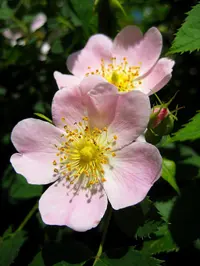
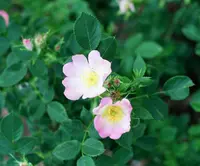
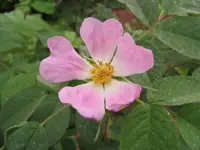
Soft downy-rose, Rosa mollis, is a deciduous shrub rose known for its softly hairy leaves and simple, pink, single flowers. It forms a rounded, bushy shape with upright stems and attractive red hips after flowering.

This species is native to parts of Europe and western Asia, typically growing in open woodland edges, scrub, and hedgerows. Its natural habitat suggests a preference for sun to light shade and moderately moist, well-drained soil.

Rosa mollis is generally robust and cold hardy, but it benefits from good air circulation to reduce common rose diseases. Gardeners who understand how to care for Soft Downy-rose usually find it a dependable, low-fuss shrub when planted in suitable conditions.

Main Plant Requirements

Care Difficulty

Moderate Care

Light Preference

Full Sun

Water Requirements

Regular Water

Temperature Preference

Cold Hardy

Hardiness Zone

4–7

Soil Texture

Loamy, Sandy, Clay

Soil pH

Acidic (5.5–6.5), Slightly acidic (6.5–7.0)

Soil Drainage

Moist but well-drained

Fertilization

Minimal (feed rarely)

Get Personalized Care Plan

Scan your plant to receive care tips personalized for your specific plant

Available on iOS and Android

How to Care for the Soft Downy-rose

Rosa mollis performs best in cool, bright outdoor conditions with consistent direct sun.

  • Provide 6–8 hours of direct sun daily, ideally with morning sun and some light afternoon shade, especially in hotter regions.
  • Plant Soft Downy-rose where it receives at least 4 hours of unshaded light; dense shade leads to weak, leggy growth and fewer flowers.
  • In summer, monitor foliage for scorch on very hot, reflective sites and, if needed, offer light filtered shade during the harshest afternoon sun.

Rosa mollis prefers steady soil moisture without staying waterlogged.

  • Water when the top 3–5 cm of soil feels dry, soaking the root zone deeply rather than giving light, frequent splashes.
  • Ensure soil drains well; standing water or a sour smell indicates poor drainage and raised risk of root rot.
  • In hot, dry weather, expect faster drying and slight leaf droop as a cue to water, while yellowing lower leaves and blackened stems suggest overwatering.

This species is a hardy outdoor shrub that tolerates a wide temperature range when established.

  • Active growth is strongest around 60–75°F (16–24°C), with cool nights supporting sturdy stems and flower production.
  • Mature plants usually tolerate winter cold down to about 0°F (-18°C) with proper soil drainage and mulch around the root zone.
  • During heat above 85–90°F (29–32°C), flowering may slow; provide mulch and consistent moisture to protect roots from temperature stress.

Humidity is rarely a limiting factor for Rosa mollis, which adapts well to typical outdoor levels in temperate climates.

Rosa mollis prefers moderately fertile, well-drained, structured soil that balances moisture retention with aeration.

  • Use a loamy soil with a mix of mineral particles and organic matter to support root anchoring and steady moisture.
  • Aim for a slightly acidic to neutral pH of about 6.0–7.0, adjusting with lime or sulfur if a soil test suggests it.
  • Incorporate 20–30% garden compost plus coarse sand or grit to improve structure, drainage, and nutrient availability.
  • Avoid heavy, compacted, or waterlogged clay; improve these by adding coarse organic material and sharp sand to open the texture.

This species can be grown in containers if the pot is large and stable enough to support its shrub form.

  • Select a deep, wide container that allows a broad root system, typically at least 40–50 cm in diameter for mature shrubs.
  • Choose a heavy material such as ceramic or thick terracotta to reduce tipping from wind and top growth weight.
  • Raise the pot slightly on feet or blocks so drainage holes stay clear and runoff water does not pool under the container.

This wild rose needs modest feeding, mainly to support flowering on poorer soils when caring for Soft Downy-rose.

  • Apply a light dressing of well-rotted compost or manure around the root zone in early spring.
  • Use a balanced slow-release fertilizer (around 8-8-8 to 10-10-10) once in spring if growth or bloom is weak.
  • Avoid high-nitrogen lawn fertilizers, which encourage soft, disease-prone shoots with fewer flowers.
  • Stop feeding by late summer and do not fertilize during winter dormancy to allow stems to harden.

Pruning Rosa mollis focuses on maintaining an open, healthy framework and encouraging good flowering.

  • Carry out main pruning in late winter to very early spring before buds break.
  • Remove dead, diseased, damaged, or crossing stems back to healthy wood with clean, sharp bypass pruners.
  • Thin crowded interior branches to improve air flow and reduce fungal disease risk.
  • Shorten overly long stems to shape the shrub and keep flowers at a manageable height.

This species is usually grown in the ground, so focus on careful outdoor transplanting rather than frequent repotting.

  • Transplant young shrubs in early spring or fall when soil is workable and temperatures are mild.
  • Move plants if growth is weak, roots circle a container, or the shrub clearly outgrows its planting space.
  • Dig a wide hole, loosen roots gently, set the crown at soil level, and backfill with native soil, watering thoroughly.
  • Reduce stress by shading temporarily, keeping soil evenly moist, and avoiding strong fertilizer for 4–6 weeks after moving.

Rosa mollis is commonly propagated from hardwood cuttings, seed, and sometimes suckers from the root system.

  • Take hardwood cuttings in late fall or winter, 15–20 cm long, and insert into gritty, moist substrate outdoors or in a cold frame.
  • Collect ripe hips, clean and stratify seeds in moist medium at 35–40°F for 2–3 months before spring sowing.
  • Lift and divide well-rooted suckers in early spring or fall, replanting them promptly at the same depth.
  • Keep all propagules evenly moist, in bright but not scorching sun, until well rooted or established.

This cold-hardy shrub rose usually needs minimal winter attention in most temperate climates.

  • Tolerates typical winter frosts once established, especially in well-drained soil.
  • Apply a 5–8 cm mulch layer around the base in late fall, keeping it slightly away from stems.
  • In very exposed or colder sites, mound soil or compost 10–15 cm high around the crown.
  • Move container-grown plants to a sheltered, unheated spot where the root ball does not freeze solid.

Care Tips

Wind-resistant staking

Install low, broad stakes or a simple shrub ring on the windward side in exposed sites to keep the flexible canes upright and reduce root rocking and breakage during storms.

Airy shrub shaping

Thin out some of the oldest, most congested stems at the base every couple of years to keep the center open, which improves airflow and reduces leaf disease on this dense, downy-foliaged shrub.

Targeted mulch collar

Maintain a 5–8 cm deep mulch ring that starts a few cm away from the stems and extends to the drip line to keep roots cool, suppress weeds, and prevent mower or trimmer damage to the cane bases.

Sucker management

Check around the base and just outside the drip line for root suckers several times a season and either remove unwanted ones cleanly at the origin or select and space a few to gradually enlarge the thicket in a controlled way.

Low-spray monitoring

Inspect foliage weekly from late spring for early signs of sawfly larvae, aphids, or leaf spots and spot-treat only affected areas rather than blanket-spraying, which keeps beneficial insects active while still supporting healthy growth when caring for Soft Downy-rose.

Common Pests and Diseases

Rose rust

This disease causes bright orange, later brown or black, powdery pustules on leaf undersides, often leading to yellowing and early leaf drop on soft downy-rose shrubs.

Solution

Remove and destroy affected leaves as soon as symptoms appear, keep the bush well pruned to improve airflow, avoid wetting foliage when watering, and apply a sulfur or myclobutanil-based fungicide according to label directions if rust appears repeatedly.

Powdery mildew

This disease produces white, powdery patches on young leaves, shoots, and flower buds, which can cause distortion and reduced flowering in Rosa mollis hedges and specimens.

Solution

Increase air circulation by thinning crowded stems, water at the base in the morning, remove heavily infected shoots, and use a rose-safe fungicide containing myclobutanil, triforine, or potassium bicarbonate when conditions are warm and dry but nights are cool and humid.

Black spot

This disease shows as round black spots with fringed edges on leaves, followed by yellowing and leaf drop, especially in dense, humid plantings.

Solution

Collect and discard fallen leaves, prune to open the center of the plant, avoid overhead watering, and apply a preventative fungicide program in spring using products labeled for black spot on roses, rotating active ingredients to limit resistance.

Aphids

These insects cluster on tender shoot tips and buds, sucking sap and causing leaf curling, sticky honeydew, and sooty mold on foliage and stems.

Solution

Dislodge colonies with a strong stream of water, encourage natural predators such as lady beetles, remove heavily infested shoot tips, and, if needed, use insecticidal soap or a horticultural oil spray, ensuring full coverage of the undersides of leaves and young stems.

Rose sawfly (rose slug)

This pest feeds on leaf surfaces, leaving a characteristic windowpane or skeletonized appearance, which can significantly thin the foliage of Rosa mollis in hedgerows and gardens.

Solution

Inspect foliage in spring and early summer, hand-pick or crush sawfly larvae where practical, prune out heavily infested shoots, and treat with insecticidal soap or a horticultural oil when larvae are small, repeating applications as needed according to the product label.

Interesting Facts

Distinctive soft foliage

The leaves are covered with a fine, soft down on both sides, giving the plant a grey‑green, velvety look that helps reduce water loss and may protect against herbivores and excess sunlight in exposed habitats.

Northern European native

This species is naturally distributed in cooler parts of Europe, especially in northern and central regions, where it typically grows in upland meadows, woodland margins, and rough pastures on moderately acidic soils.

Hybridization tendencies

Rosa mollis can form natural hybrids with closely related rose species, which contributes to local variation in leaf hairiness, prickle density, and flower form and can make field identification challenging for botanists.

Botan icon

Did you know?

In traditional European rose classifications, Rosa mollis has long been placed within the group of wild roses known as the section Caninae, a complex group characterized by unusual meiosis that produces offspring with asymmetric chromosome contributions from parent plants, making its genetics more intricate than those of many garden roses.

FAQs about Soft Downy-rose

This species is very attractive to bees and a range of other pollinating insects. Single, open flowers with accessible pollen and nectar provide good forage, especially in late spring and early summer in temperate gardens.

Grow Healthy Plants with Botan Care

Keep your plants happy and healthy with plant identification, disease detection, and easy care guidance.


Botan plant care app — identify plants on mobile

Explore More Plants