Staggered sowing
Sow small batches every 2–3 weeks in spring and early summer so older plants that tend to bolt are continuously replaced by young, leafy growth for steady harvests.

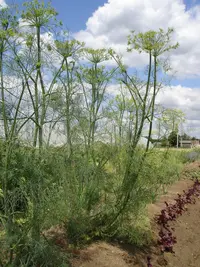
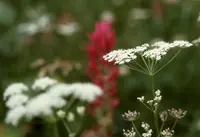
Dill, Anethum graveolens, is a fast-growing annual herb in the carrot family, valued for its feathery leaves and aromatic seeds. It typically forms an airy clump of fine, blue-green foliage topped with flat clusters of small yellow flowers.
This herb is native to the Mediterranean and western Asia but is now widely grown in home gardens and containers. It is considered easy to grow when given full sun, well-drained soil, and steady, moderate moisture.
Because it grows quickly and prefers cooler, mild conditions, it suits beginner gardeners learning how to care for dill in kitchen or outdoor herb beds.

Care Difficulty
Moderate Care

Light Preference
Full Sun

Water Requirements
Regular Water

Temperature Preference
Cool Climate

Hardiness Zone
2–11

Soil Texture
Sandy, Loamy, Organic-rich

Soil pH
Acidic (5.5–6.5), Slightly acidic (6.5–7.0)

Soil Drainage
Moist but well-drained

Fertilization
Light (every 4–6 weeks)
Scan your plant to receive care tips personalized for your specific plant
Available on iOS and Android
This annual herb needs strong sun to produce flavorful foliage and sturdy stems.
Anethum graveolens prefers consistently moist, well-drained soil without staying soggy.
This herb grows best in cool to moderately warm conditions and reacts quickly to temperature extremes.
Humidity is not a major factor for dill as long as air movement is adequate.
Anethum graveolens grows best in loose, well-aerated, moderately fertile mineral soil.
This species is suitable for container growing when the pot setup supports its deep taproot and tall stems.
This annual herb prefers modest feeding, especially in poor soils.
Pruning focuses on harvesting and tidying Anethum graveolens rather than shaping it.
This plant dislikes root disturbance, so transplanting and repotting must be done carefully and infrequently.
New plants are produced almost entirely from seed rather than vegetative methods.
This annual herb usually completes its life cycle before winter and needs little specific cold-season care.

Plant Health Check
Not sure what's wrong with your plant? Check your plant's health inside the app.
Dill produces compound umbels made up of many tiny yellow flowers, which efficiently attract a wide range of beneficial insects such as hoverflies and parasitic wasps for pollination and natural pest control.
This species completes its entire life cycle from seed to seed within a single growing season, which allows it to self‑seed readily and appear in slightly different spots year after year in the same garden.
Dill leaves and seeds contain essential oils rich in carvone and limonene, the same main aroma compounds found in caraway, which explains their similar but distinct flavor profiles.

Archaeological findings show that dill seeds and plant remains were already used in ancient Egyptian and Greco‑Roman cultures, where they were valued as a culinary herb and as a symbolic plant placed in tombs and ceremonial contexts.
Yellowing usually comes from age, root disturbance, compacted or waterlogged soil, or nutrient depletion after flowering. Remove oldest, worst leaves, avoid disturbing roots, improve drainage, and provide a light, balanced fertilizer if plants are older or repeatedly harvested.
Keep your plants happy and healthy with plant identification, disease detection, and easy care guidance.