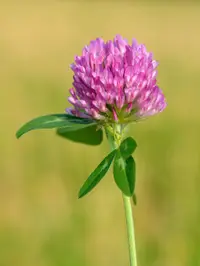
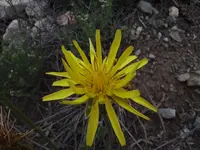
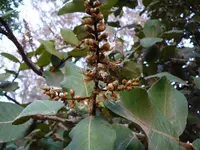
Gardner's yampah Care (Perideridia gairdneri)

Also known as: common yampah, Indian caraway
Gardner's yampah

About Gardner's yampah

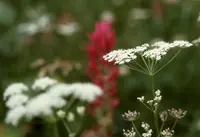
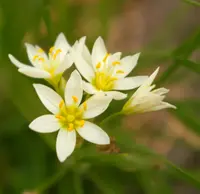
Gardner's yampah (Perideridia gairdneri) is a perennial herb in the carrot family, known for its fine, feathery foliage and delicate white flower clusters. It forms slender, upright stems from an underground edible tuber.

This species is native to western North America, where it grows in open meadows, prairies, and light woodlands, often in well-drained, seasonally moist soils.

Gardeners value it as a modest, prairie-style plant that suits naturalistic or native plantings rather than formal beds. Once established, it is relatively undemanding, but successful care for Gardner's yampah depends on providing sun to light shade and soil that does not stay waterlogged.

Main Plant Requirements

Care Difficulty

Moderate Care

Light Preference

Full Sun

Water Requirements

Moderate Water

Temperature Preference

Cold Hardy

Hardiness Zone

4–9

Soil Texture

Sandy, Loamy, Rocky

Soil pH

Slightly acidic (6.5–7.0), Neutral (7.0)

Soil Drainage

Well-drained

Fertilization

Minimal (feed rarely)

Get Personalized Care Plan

Scan your plant to receive care tips personalized for your specific plant

Available on iOS and Android

How to Care for the Gardner's yampah

This North American native umbel prefers open, sunny habitats with some seasonal variation in light.

  • Aim for 6–8 hours of direct sun daily in spring and early summer; light afternoon shade is helpful in hotter lowland sites.
  • The plant tolerates bright partial shade, especially with morning sun and filtered light later, but stems may elongate and flowering can decrease.
  • In exposed, dry sites, intense afternoon sun can scorch foliage; mulching and nearby grasses can buffer light and protect Gardner's yampah from stress.

This species prefers consistently moist, well-drained soil that never stays waterlogged for long periods.

  • In the field, water when the top 3–5 cm of soil feel dry, aiming for even moisture rather than a fixed schedule, especially during active growth.
  • Use soil rich in organic matter with good drainage; standing water or heavy clay raises risk of root rot in Perideridia gairdneri.
  • Wilting, yellowing, or soft roots indicate overwatering, while dull, limp foliage and dry, cracking soil surface suggest underwatering; adjust gradually with seasonal rainfall.

This cool- to mild-climate perennial handles a broad temperature range but grows best without extremes.

  • Optimal active growth occurs around 60–75°F (16–24°C), with strongest vegetative development in cooler parts of this range.
  • Dormant roots survive winter cold down to about 10–15°F (-12 to -9°C) if soil is not waterlogged and has some insulating mulch or natural cover.
  • Short heat spells up to 90–95°F (32–35°C) are tolerated if soil moisture remains steady; prolonged hot, dry conditions can reduce growth and seed set.

This species tolerates a wide humidity range and rarely needs special humidity management.

This perennial prefers loose, well‑drained, moderately fertile soil that stays evenly moist but not waterlogged.

  • Use a sandy or loamy mix enriched with 20–30% compost to support root and tuber development.
  • Aim for slightly acidic to neutral pH around 6.0–7.0 to keep nutrients available.
  • Improve drainage and aeration by blending in coarse sand or fine gravel, especially in clay-based garden soil.
  • Avoid compacted, heavy clay or spots that stay wet after rain, which promote root and tuber rot in Perideridia gairdneri.

This species can be grown in containers if the pot is deep enough to accommodate its taproot and tubers.

  • Choose a container at least 25–30 cm deep so the taproot can extend without bending or circling.
  • Use a heavier material such as clay to reduce tipping if the foliage becomes tall and wind‑exposed.
  • Elevate the container slightly on feet or bricks so drainage holes stay clear and excess water exits quickly.

This North American native needs minimal feeding in most garden soils, so use light fertilization only to support growth in poor or depleted sites.

  • Apply a thin layer of finished compost around plants in early spring to refresh nutrients and soil life.
  • If growth is weak, use a balanced NPK fertilizer at 1/2 strength once in spring during active growth.
  • Avoid summer and fall feeding so new growth hardens before cold weather.
  • Do not fertilize dormant clumps in winter; excess nutrients can leach and do not benefit Gardner's yampah.

Perideridia gairdneri needs only light, strategic pruning to keep plants healthy and accessible for viewing or harvest.

  • Time pruning for late fall or very early spring when foliage has died back or before new shoots emerge.
  • Cut away dead, damaged, or diseased stems at ground level with clean, sharp scissors or hand pruners.
  • Thin crowded flowering stems if needed to improve air flow and reduce lodging, leaving a natural, loose form.
  • Remove spent seed heads once seed has dropped if a tidier appearance or less self-seeding is desired.

This species is usually grown in the ground; focus on careful transplanting of young plants rather than frequent repotting.

  • Transplant in early spring or early fall when temperatures are mild and soil is moist but not saturated.
  • Choose a sunny to lightly shaded site with loose, well-drained soil; avoid compacted or waterlogged areas.
  • Move seedlings or young clumps with a deep plug of soil to protect the taproot and minimize root disturbance.
  • Water thoroughly after transplanting, then keep soil evenly moist for 1–2 weeks to reduce stress and support establishment.

Perideridia gairdneri is most often propagated from seed, with a natural cold period improving germination.

  • Sow fresh seed outdoors in fall so winter chill provides stratification, the cold treatment many seeds need to sprout.
  • For controlled sowing, cold-stratify seed in moist medium at 35–40°F for 8–12 weeks, then move to 60–70°F light.
  • Scatter seed on the soil surface or barely cover, since fine seeds need light contact and consistent moisture.
  • Allow seedlings to grow on in place or transplant very gently while small to avoid damaging the developing taproot.

This cold-hardy perennial usually needs little winter attention in the ground across most temperate climates.

  • Dormant crowns tolerate typical winter frost and snow once plants are established in well-drained soil.
  • In colder or exposed sites, apply a light 3–5 cm mulch after the ground cools to buffer freeze–thaw cycles.
  • Container plants are more vulnerable; move pots into a cold, sheltered area such as an unheated garage or cold frame.

Care Tips

Staggered Harvesting

Harvest only 1 in 3 mature roots in a patch each year and leave the smaller plants untouched so the stand can regenerate and remain productive over several seasons when growing Gardner's yampah.

Seed Stratification Prep

For reliable germination, mix seeds with slightly moist sand in a labeled bag and refrigerate at 34–41°F for 8–10 weeks before spring sowing to mimic natural winter conditions.

Rodent Protection Ring

In areas with voles or gophers, plant in a buried wire mesh basket or line the planting trench with hardware cloth to prevent root loss while still allowing normal root growth and drainage.

Targeted Umbel Support

If flower stalks lodge in wind or rain, insert slim stakes outside the root zone and loosely tie the upper stems with soft twine so pollinator-attracting umbels remain upright and set viable seed.

Self‑Seeding Management

If you want controlled spread, allow only the healthiest plants to set seed and deadhead weaker or poorly placed plants before seeds dry and disperse to avoid overcrowding and reduced root size.

Common Pests and Diseases

Carrot rust fly

This pest targets the roots, where larvae tunnel through the edible taproot and smaller feeder roots. Symptoms include stunted growth, yellowing foliage, and brown, rusty tunnels in the root tissue.

Solution

Use fine mesh row covers from early spring to keep adult flies from laying eggs near plants, and avoid thinning or disturbing soil during peak flight periods. Rotate plantings away from other Apiaceae crops, harvest promptly, and remove all root debris after harvest to reduce overwintering larvae when growing Gardner's yampah for edible use.

Wireworms

These insects are soil-dwelling larvae of click beetles that bore into roots and underground stems. Symptoms include slow, uneven growth, sudden wilting, and small round holes or tunnels in the taproot.

Solution

Before planting, reduce wireworm populations by avoiding sod-breaking sites and burying bait pieces of carrot or potato to trap and remove larvae. During cultivation, keep soil well-drained and free of thick sod, and discard heavily damaged roots to limit the life cycle in garden settings.

Leaf spot

This disease causes small brown to dark lesions on leaves that may merge into larger patches, sometimes leading to premature leaf yellowing and drop. Symptoms include reduced vigor and less root development due to decreased photosynthesis.

Solution

Improve air circulation by spacing plants properly and keeping surrounding vegetation trimmed, and water at soil level rather than overhead to keep foliage dry. Remove and dispose of spotted leaves, avoid working among plants when foliage is wet, and rotate away from other Apiaceae hosts for several years if leaf spot becomes severe.

Powdery mildew

This disease appears as white, powdery growth on upper leaf surfaces and stems, often late in the season. Symptoms include distorted, chlorotic leaves and reduced plant vigor, though roots usually remain usable if infection is mild.

Solution

Promote good airflow by avoiding overcrowding and by removing dense surrounding weeds or grasses, and water in the morning so foliage dries quickly. At first signs of infection, remove the worst-affected leaves and consider applying a sulfur or potassium bicarbonate product labeled for edible Apiaceae crops, following label instructions carefully.

Aphids

These insects cluster on young stems, leaf undersides, and flower stalks, sucking sap and excreting sticky honeydew that can lead to sooty mold. Symptoms include curled or distorted foliage, reduced vigor, and an increase in ants tending the colonies.

Solution

Dislodge colonies by spraying plants with a strong stream of water, focusing on leaf undersides, and encourage natural predators such as lady beetles by avoiding broad-spectrum insecticides. For persistent infestations, apply insecticidal soap or horticultural oil to thoroughly coat aphids, repeating as needed while monitoring for beneficial insects.

Interesting Facts

Edible geophyte crop

This species forms crisp, white underground tubers that were traditionally harvested and eaten by many Indigenous peoples of western North America, often roasted, pit-cooked, or eaten fresh as a starchy food.

Carrot family foliage

The plant has finely divided, feathery leaves and compound umbels of small white flowers, typical of the carrot family (Apiaceae), which can cause confusion with toxic lookalikes like poison hemlock if not identified carefully.

Diverse mountain habitats

It naturally grows in a wide range of habitats across western North America, including open woods, meadows, and rocky slopes from low valleys up into montane zones, which shows its strong adaptation to varied soils and moisture levels.

Botan icon

Did you know?

Archaeobotanical evidence from charred plant remains at sites in the Pacific Northwest indicates that Indigenous communities intentionally managed and repeatedly harvested this species for thousands of years, suggesting a form of low-intensity cultivation rather than simple wild gathering.

FAQs about Gardner's yampah

The roots, young shoots, and leaves are traditionally eaten and have a mild, carrot-like flavor. Correct identification is critical, since it resembles toxic umbellifers. Harvest only from clean sites and avoid any bitter, off-smelling specimens.

Grow Healthy Plants with Botan Care

Keep your plants happy and healthy with plant identification, disease detection, and easy care guidance.

Botan plant care app — identify plants on mobile

Explore More Plants