Deep root training
In the first 2–3 years, water less frequently but very thoroughly to encourage a deep taproot, which greatly improves drought resilience when growing Neocarya outdoors long term.

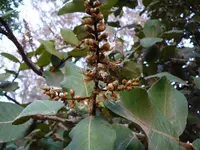
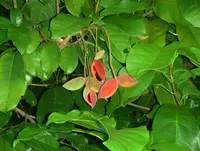
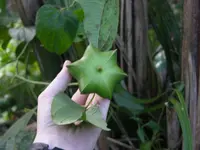
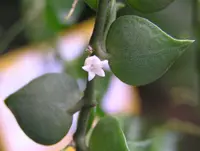
Neocarya macrophylla, often called African butter tree, is a tropical evergreen tree valued for its large leaves and oil-rich nuts. It forms a dense, rounded crown and can grow into a substantial shade tree in warm climates.
This species is native to West and Central Africa, where it occurs in savannas and open woodlands, usually on well-drained soils. Its relatively slow growth, size, and need for a stable warm climate make it more suitable for experienced growers or outdoor cultivation in frost-free regions.
Those looking into how to care for Neocarya should know it prefers bright light, consistent warmth, and moderately moist but free-draining soil without prolonged waterlogging.

Care Difficulty
Moderate Care

Light Preference
Full Sun

Water Requirements
Moderate Water

Temperature Preference
Tropical / Frost Sensitive

Hardiness Zone
10–12

Soil Texture
Sandy, Loamy, Organic-rich

Soil pH
Acidic (5.5–6.5), Slightly acidic (6.5–7.0)

Soil Drainage
Well-drained

Fertilization
Minimal (feed rarely)
Scan your plant to receive care tips personalized for your specific plant
Available on iOS and Android
This species prefers strong light suited to a tropical savanna tree.
Neocarya macrophylla prefers deep, infrequent watering once established.
This tree thrives in consistently warm, frost-free climates.
This dryland species tolerates low humidity but grows best with moderate, stable air moisture.
This species prefers deep, well-aerated mineral soil that stays evenly moist yet drains freely.
This tree is only moderately suitable for container growing and is best kept in large, outdoor tubs when containerized.
This savanna tree grows on poor soils and usually needs minimal fertilization once established.
Pruning is mainly needed to maintain structure and remove damaged growth on Neocarya macrophylla.
This species is usually field grown, so focus on careful transplanting of young trees rather than frequent repotting.
Propagation of Neocarya macrophylla is typically done from seed and is slow but reliable under warm conditions.
Mature plants in suitable climates are fairly tolerant of seasonal cool periods but are sensitive to hard frost.

Plant Health Check
Not sure what's wrong with your plant? Check your plant's health inside the app.
This species is the only other member of the shea-butter family Vitellariaceae that produces an oil-rich, edible kernel, and it is closely related to Vitellaria paradoxa, the traditional shea tree of West Africa.
It naturally occurs in dry West and Central African woodlands and savannas and shows strong tolerance to seasonal fires, often resprouting from protected buds after above-ground parts are scorched.
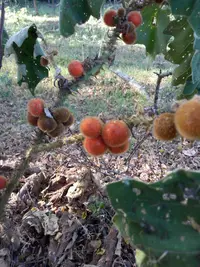
Its fleshy drupes are eaten by birds and mammals, which disperse the hard, oil-rich seeds over long distances and help maintain populations across fragmented savanna landscapes.

Archaeobotanical evidence from West African sites indicates that people have used and traded the oily kernels of this species for many centuries, making it a long-standing regional resource well before modern documentation of Neocarya macrophylla care instructions.
This tree is slow to moderate growing. In warm climates it may add 20–40 cm per year, eventually reaching 6–10 m under cultivation, though it often stays smaller in drier or nutrient-poor sites.
Keep your plants happy and healthy with plant identification, disease detection, and easy care guidance.