Staggered Sowings
Sow small batches every 2–3 weeks in early spring to spread harvest time and reduce the risk of losing the entire crop to a single pest or weather event.

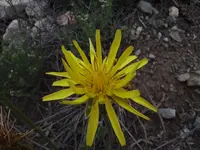
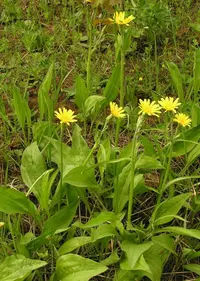
Cutleaf vipergrass, Scorzonera laciniata, is a perennial herb from the daisy family, valued mainly as a wildflower and forage species. It forms clumps of finely divided, thread-like leaves that give the plant a delicate, feathery look. Tall, slender stems carry yellow, dandelion-like flower heads.
This species occurs naturally in dry grasslands and open rocky slopes across parts of Europe and western Asia. It adapts well to poor, well-drained soils and generally prefers full sun and moderate moisture. These traits make it relatively undemanding for gardeners who want to learn how to care for cutleaf vipergrass in low-input, naturalistic plantings.

Care Difficulty
Moderate Care

Light Preference
Full Sun

Water Requirements
Moderate Water

Temperature Preference
Cool Climate

Hardiness Zone
4–8

Soil Texture
Sandy, Loamy, Organic-rich

Soil pH
Slightly acidic (6.5–7.0), Neutral (7.0)

Soil Drainage
Well-drained

Fertilization
Minimal (feed rarely)
Scan your plant to receive care tips personalized for your specific plant
Available on iOS and Android
This sun-loving perennial produces best foliage and flowers with steady, direct light.
This deep-rooted species prefers moderately moist, well-drained soil rather than constant surface dampness.
This hardy perennial tolerates cool conditions but grows best with moderate warmth.
Humidity is rarely a limiting factor for Scorzonera laciniata in typical home or outdoor conditions.
Scorzonera laciniata grows best in deep, loose, well-drained mineral soils that allow straight root development.
This species can be grown in containers if the pot is deep enough to accommodate its taproot.
This perennial needs only light feeding, as it is adapted to relatively lean soils when growing cutleaf vipergrass.
Scorzonera laciniata benefits from simple, minimal pruning focused on cleanliness and seed control.
This deep-taprooted species is better transplanted young and is not ideal for frequent repotting in containers.
This species is most commonly propagated from seed, as division can damage its strong taproot.
This hardy perennial usually needs little special winter care in temperate climates.

Plant Health Check
Not sure what's wrong with your plant? Check your plant's health inside the app.
This species is recognized by its narrow, deeply lobed leaves that give a finely dissected, almost feathery appearance compared with the broader leaves of many other Scorzonera species.
Its flower heads are composed of many small strap-shaped florets, forming bright yellow, dandelion-like discs that open in sun and often close in dull weather, typical of many members of the Asteraceae family.
The plant develops a strong taproot that anchors it in dry, often steppe-like habitats and allows access to deeper soil moisture, contributing to its tolerance of drought-prone conditions.
Lack of flowers is usually linked to low light, poor soil fertility, or plants that are still immature. Avoid heavy nitrogen feeding, ensure full sun, and give it at least one full growing season to establish.
Keep your plants happy and healthy with plant identification, disease detection, and easy care guidance.