Vertical trellis training
Install a sturdy 1.8–2.4 m trellis or wires before planting and loosely tie new vines every 3–4 days so fruits hang straight, stay cleaner, and dry more evenly for mature sponges.

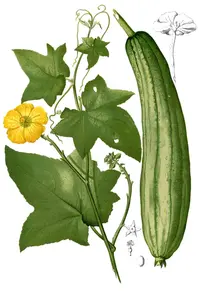
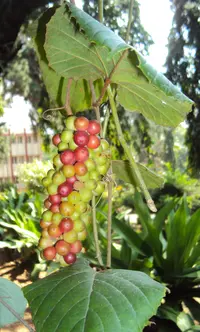
Sponge gourd, Luffa aegyptiaca, is a fast-growing annual vine in the cucumber family, valued for its fibrous, sponge-like mature fruits. It climbs by tendrils and can cover trellises or fences with large, lobed leaves and yellow flowers.
This species is native to tropical regions of Africa and Asia but is now grown in many warm climates for both young edible fruits and dried bath sponges. It is generally easy to grow in warm conditions, though it needs a long frost-free season and sturdy support.
Gardeners who want to learn how to care for sponge gourd should note its preference for full sun, regular moisture, and well-drained, fertile soil.

Care Difficulty
Moderate Care

Light Preference
Full Sun

Water Requirements
Regular Water

Temperature Preference
Tropical / Frost Sensitive

Hardiness Zone
9–11

Soil Texture
Loamy, Sandy, Organic-rich

Soil pH
Acidic (5.5–6.5), Slightly acidic (6.5–7.0)

Soil Drainage
Moist but well-drained

Fertilization
Moderate (every 2–4 weeks)
Scan your plant to receive care tips personalized for your specific plant
Available on iOS and Android
This warm-season climbing vine needs strong, direct light to produce healthy fruits and fibrous sponges.
This fast-growing vine prefers steadily moist but not saturated soil during its active season.
This species thrives in stable, warm conditions and is highly sensitive to cold and frost.
Humidity moderately influences growth, but this vine usually adapts to typical outdoor levels.
This species performs best in deep, loose, well-drained, nutrient-rich soil.
This vine can be grown in large containers if the pot and support system are carefully planned.
This fast-growing vine benefits from moderate, consistent nutrition during its warm-season growth.
Pruning helps manage Luffa aegyptiaca size, airflow, and fruiting efficiency on trellises or fences.
This species is usually direct-sown or transplanted outdoors rather than maintained long term in containers.
New Luffa aegyptiaca plants are most reliably raised from seed rather than vegetative methods.
This warm-season annual vine is frost-sensitive and normally completes its life cycle before winter.

Plant Health Check
Not sure what's wrong with your plant? Check your plant's health inside the app.
The young, still-tender fruits of this species are widely eaten cooked in many Asian and African cuisines, where their mild flavor and soft texture resemble zucchini or other summer squashes.
The familiar bath sponge form is actually the dried internal vascular network of the mature fruit, created by a dense mesh of fibrous tissue that once transported water and nutrients through the developing gourd.
This plant is a fast-growing, warm-season cucurbit vine that climbs by tendrils and can reach several meters in length, requiring strong vertical support in cultivation to keep its elongated fruits straight and well-formed.

Historical records indicate that dried sponges from this species were already traded and used in ancient Egyptian and Mediterranean cultures for bathing and cleaning, making it one of the earliest plant-derived personal-care tools known from archaeology.
Yellowing leaves usually result from nitrogen deficiency, waterlogging, or natural aging of older foliage. Check for soggy soil, compacted roots, or heavy pest infestations, then adjust fertilization and drainage rather than immediately increasing watering frequency.
Keep your plants happy and healthy with plant identification, disease detection, and easy care guidance.