dwarf cornel Care (Cornus suecica)

Also known as: Lapland cornel, Bunchberry, Eurasian Dwarf Cornel, Swedish Cornel
dwarf cornel

About dwarf cornel

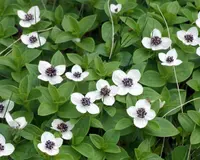
Dwarf cornel (Cornus suecica) is a low, creeping woodland perennial known for its neat clumps of dark green leaves and striking white flower bracts around dark purple centers. It slowly forms small mats, staying compact and close to the ground.

This species is native to cool, northern regions, often found in moist, acidic forest edges and tundra-like habitats. Its preference for cool summers and consistently moist soil can make it more demanding in warmer or dry gardens.

Gardeners who want to care for dwarf cornel should provide cool conditions, light shade, and humus-rich, evenly moist soil for best growth and flowering.

Main Plant Requirements

Care Difficulty

Moderate Care

Light Preference

Partial Shade

Water Requirements

Keep Soil Moist

Temperature Preference

Cold Hardy

Hardiness Zone

2–6

Soil Texture

Loamy, Peaty, Organic-rich

Soil pH

Strongly acidic (4.5–5.5), Acidic (5.5–6.5)

Soil Drainage

Moist but well-drained

Fertilization

Minimal (feed rarely)

Get Personalized Care Plan

Scan your plant to receive care tips personalized for your specific plant

Available on iOS and Android

How to Care for the dwarf cornel

This subarctic shrub prefers cool, soft light rather than intense sun exposure.

  • Provide 3–5 hours of gentle morning sun with light shade or dappled light for the rest of the day, especially in warmer regions.
  • Allow bright, open shade or filtered light under taller plants; dwarf cornel often grows naturally at woodland edges and among low shrubs.
  • Protect from strong midday and afternoon sun, which can scorch leaves and dry soil quickly; in winter, increased light is acceptable when the plant is dormant.

This species prefers consistently moist, cool soil without becoming waterlogged.

  • Aim for soil that stays lightly moist; allow only the top 1–2 cm to start drying before the next deep watering during active growth.
  • In spring and early summer, increase watering during dry spells, especially on sandy or peaty soils with fast drainage.
  • Reduce watering frequency in late autumn and winter, watching for signs such as drooping, dull leaves (too dry) or yellowing and mushy stems (too wet) in Cornus suecica.

This plant is adapted to cool, boreal climates and dislikes heat.

  • Support active growth at 50–65°F (10–18°C); short periods up to 70°F (21°C) are tolerated if soil stays moist and roots shaded.
  • Expect good cold tolerance down to about -20°F (-29°C) once established, with natural dormancy through winter in most northern climates.
  • Limit exposure to temperatures above 75°F (24°C); in warmer weather, provide shade, thicker mulch, and even moisture to protect roots from overheating.

Humidity is not a major concern, but consistent cool, moderately moist air suits this species best.

  • Aim for 40–60% humidity, similar to a cool, moist woodland edge environment.
  • Plants tolerate short spells of drier air if soil moisture is kept even and roots never dry out completely.
  • Crisping leaf edges and slow tip growth indicate air and soil are too dry; group plants and mulch the surface to conserve moisture.

Cornus suecica prefers cool, humus-rich, consistently moist but free-draining soil.

  • Use a loose mix such as 2 parts peat-free compost, 1 part fine bark, and 1 part perlite or gritty sand to mimic woodland humus.
  • Soil should drain freely within a few minutes after watering but stay lightly damp, not waterlogged or bone dry.
  • Aim for slightly acidic to neutral pH around 5.5–7.0; avoid chalky or strongly alkaline substrates that cause nutrient lockout.
  • Improve aeration by incorporating fine bark or grit and never compacting the surface, which can suffocate shallow, fibrous roots.

This species can be grown in containers for cool outdoor conditions if moisture and drainage are carefully controlled.

  • Choose a wide, shallow container that allows its shallow, spreading roots and rhizomes to run rather than grow deep.
  • Select a heavier pot material or add stones in the base layer to keep the low, spreading plant stable in wind.
  • Raise the pot slightly on feet so excess water clears quickly from drainage holes after rain or irrigation, preventing root rot.

This alpine woodland shrub has low nutrient demand, so dwarf cornel benefits from only light, targeted feeding in poor soils.

  • On lean garden soils, apply a light layer of fine compost around the root zone in early spring, keeping it away from stems.
  • In containers, use a balanced slow-release fertilizer (around 10-10-10) at half label rate at the start of the growing season.
  • Avoid liquid feeds stronger than 1/4–1/2 strength, as excess nitrogen encourages weak, lush foliage instead of balanced growth.
  • Do not feed in late fall or winter; allow the plant to enter dormancy without added nutrients.

Cornus suecica needs minimal pruning and is usually maintained with light, corrective work only.

  • Plan any pruning for late winter or very early spring before new growth starts.
  • Remove dead, diseased, or winter-damaged stems first, cutting back to healthy tissue with clean, sharp hand pruners.
  • Thin out crowded or crossing stems at ground level to maintain an open, low mat and reduce humidity around foliage.
  • Avoid heavy shaping cuts; gentle thinning preserves the plant’s natural spreading habit and flowering performance.

This species is usually grown in the ground, so focus on careful transplanting rather than frequent repotting.

  • Transplant in early spring or early fall when temperatures are mild and soil is evenly moist.
  • Move plants only when necessary, such as when growth declines or roots form a dense mat at the planting edge.
  • Lift with a wide, shallow rootball to preserve fine roots, then replant at the same depth in cool, acidic, well-drained soil.
  • Water thoroughly after transplanting and keep soil evenly moist for several weeks to limit transplant shock and support root re-establishment.

Cornus suecica plant care can include propagation, but it is moderately slow and requires patience.

  • Divide established clumps in early spring, lifting carefully and separating sections with several shoots and healthy roots.
  • Use semi-ripe stem cuttings in mid to late summer, placing them in a sharply drained, acidic mix under high humidity and bright shade.
  • Sow fresh seed in pots outdoors for natural cold stratification, allowing 1–2 winters for germination.
  • Keep all propagules consistently moist but not waterlogged, and avoid high heat, which stresses this cool-climate species.

This boreal shrub is very cold hardy and usually needs little dedicated winter care in the ground.

  • Tolerates hard frosts and snow once established, especially in cool, moist, acidic soils.
  • Apply a 3–5 cm mulch of leaf litter or bark around, but not against, stems to buffer freeze–thaw cycles.
  • In containers, move pots to a sheltered, unheated but frost-prone area and insulate the container to protect roots.

Care Tips

Mulch For Cool Roots

Apply a 3–5 cm layer of fine bark or leaf mold around the plants each spring to keep the shallow root zone cool, moist, and protected from temperature swings.

Create Slight Mounding

Plant on a low, broad mound or gently sloped bed so excess water drains away from the crown, reducing the risk of rot in wet climates.

Use Acidic Top-Dressing

Top-dress annually with a thin layer of ericaceous compost or shredded pine needles to help maintain the slightly acidic surface conditions this species favors.

Encourage Colony Spread

Space plants closely and leave open, lightly mulched soil between them so rhizomes can spread, then divide and replant small sections every few years to refresh older patches when growing dwarf cornel.

Snow And Frost Management

In cold regions, allow stable snow cover to remain as insulation, but gently brush off heavy, icy build-up in late winter to prevent breakage of emerging shoots.

Common Pests and Diseases

Dogwood anthracnose

This disease causes tan to brown leaf spots that enlarge and may develop purple borders, often leading to blotchy, distorted leaves and tip dieback on shoots. Symptoms include premature leaf drop in warm, wet weather.

Solution

Prune out and dispose of infected shoots and fallen leaves to reduce fungal spores, and avoid overhead watering that keeps foliage wet. Improve airflow around plants and, if the problem persists, apply a registered dogwood anthracnose fungicide at bud break and repeat as directed, focusing on thorough coverage of young leaves and shoots.

Powdery mildew

This disease produces a white to gray powdery coating on the upper leaf surface, which can cause leaf curling and reduced vigor. Symptoms include more severe coverage in shaded, still areas with poor air movement.

Solution

Increase light and airflow by thinning surrounding vegetation and avoid dense, crowded plantings. Remove heavily affected leaves and, in persistent cases, use a sulfur or potassium bicarbonate fungicide labeled for ornamental shrubs, applying during dry weather and repeating as directed.

Dogwood sawfly larvae

These insects feed in groups and skeletonize leaves, leaving only the veins and causing a tattered appearance. This pest is most noticeable in late spring to summer when foliage quickly looks chewed and thin.

Solution

Handpick larvae from low, accessible plants and drop them into soapy water, and prune off small branches with dense infestations. Encourage natural predators and, for larger outbreaks, use a targeted product containing spinosad, spraying in the evening to reduce impact on beneficial insects.

Leaf spot complex

This disease group includes several fungi that produce small, circular to irregular brown or purple spots on leaves, which can merge into larger blotches under cool, moist conditions. Symptoms include cosmetic damage and some early leaf drop but rarely plant death.

Solution

Rake and discard fallen leaves, avoid overhead irrigation, and water at soil level to keep foliage dry. In sites with a history of severe spotting, apply a broad-spectrum ornamental fungicide in spring when new leaves emerge, repeating during extended wet periods according to label directions.

Scale insects

These insects appear as small, fixed bumps on stems and sometimes leaf midribs, feeding on sap and weakening the plant over time. This pest often causes sticky honeydew on leaves and may lead to sooty mold growth on the plant surface.

Solution

Prune and destroy heavily infested twigs and gently scrub remaining stems with a soft brush dipped in soapy water to dislodge scales. For persistent infestations, apply horticultural oil during the dormant or early growing season to smother overwintering stages, ensuring full coverage of branches and stems as part of Cornus suecica plant care.

Interesting Facts

Boreal–arctic specialist

This species naturally occurs in cool, northern regions across both North America and Eurasia, typically in boreal forests, subarctic heaths, and oceanic moorlands where summers are short and soils stay cool and moist.

False petals display

The showy white parts that look like petals are actually four modified leaves called bracts, while the true flowers are the small, dark purple structures in the center forming a tight cluster.

Berries for wildlife

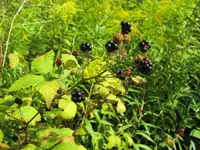
Its dark purple, almost black berries are not especially palatable to humans but are eaten by birds, which help disperse the seeds through their droppings in cold, open habitats.

Botan icon

Did you know?

This species often forms natural hybrids with the closely related Cornus canadensis where their ranges overlap, producing intermediate plants that helped botanists understand evolutionary relationships within the dwarf dogwood group.

FAQs about dwarf cornel

Poor flowering often results from too much shade, dry soil, or plants that are still immature. Ensure consistently moist, cool soil, avoid heavy fertilizer, and be patient; this slow shrub can take several seasons to flower well.

Grow Healthy Plants with Botan Care

Keep your plants happy and healthy with plant identification, disease detection, and easy care guidance.

Botan plant care app — identify plants on mobile

Explore More Plants