Alchemilla propinqua Care

Alchemilla propinqua

About Alchemilla propinqua

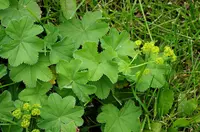
Alchemilla propinqua is a small herbaceous perennial in the rose family, related to the more familiar lady’s mantle. It forms low, clumping mounds of rounded, softly lobed leaves that can hold droplets of water on their surface.

The plant typically grows in cool, temperate regions, often in moist meadows, open woodland edges, or mountain slopes. It produces delicate, yellow‑green flower sprays that sit just above the foliage and attract small insects.

Its tolerant nature, modest size, and preference for moist but well-drained soil make it relatively straightforward to handle in suitable climates. Gardeners who want to know how to care for Alchemilla propinqua mainly need to match its natural cool, lightly shaded habitat.

Main Plant Requirements

Care Difficulty

Moderate Care

Light Preference

Partial Shade

Water Requirements

Moderate Water

Temperature Preference

Cool Climate

Hardiness Zone

5–8

Soil Texture

Loamy, Silty, Organic-rich

Soil pH

Acidic (5.5–6.5), Slightly acidic (6.5–7.0)

Soil Drainage

Moist but well-drained

Fertilization

Minimal (feed rarely)

Get Personalized Care Plan

Scan your plant to receive care tips personalized for your specific plant

Available on iOS and Android

How to Care for the Alchemilla propinqua

This species prefers stable, gentle light rather than intense, drying sun.

  • Provide 3–6 hours of morning sun with light or dappled shade in the afternoon, especially in summer.
  • Site Alchemilla propinqua where it receives bright, indirect light or high, shifting shade; it tolerates partial shade but flowers less in deep shade.
  • In hot climates, protect from strong sun between 11 am and 4 pm to prevent leaf scorch and excessively dry soil.

This plant prefers evenly moist but not saturated soil throughout the growing season.

  • Water when the top 2–4 cm of soil feels dry, aiming for consistent moisture rather than clear wet-dry cycles.
  • Use soil with good drainage; puddling for longer than 30–40 minutes after watering suggests compaction or poor structure.
  • Reduce watering frequency in cool weather or dormancy; wilting, crisp leaf edges, and dry soil indicate underwatering, while yellowing, soft stems, and a sour smell suggest overwatering.

This hardy perennial tolerates cool conditions but grows best in moderate temperatures.

  • Optimal growth occurs around 55–75°F (13–24°C), with vigorous foliage in mild spring and early summer conditions.
  • Mature plants typically survive down to about 0°F (-18°C) with mulch; prolonged exposure below this can damage crowns, especially in poorly drained sites.
  • In hot regions, growth slows above about 85°F (29°C); provide afternoon shade and reliable soil moisture during heat waves to limit stress.

This species grows well in average outdoor humidity and usually does not need special humidity control.

Alchemilla propinqua prefers cool, moist, well-structured ground that does not stay waterlogged.

  • Use a loamy mix with moderate organic matter, such as garden loam blended with compost.
  • Ensure drainage is steady by avoiding heavy clay; incorporate sharp sand or fine grit if water lingers after rain.
  • Aim for slightly acidic to neutral pH around 6.0–7.0 for best nutrient availability and root function.
  • Avoid compacted, boggy, or very sandy soils that either suffocate roots or dry out extremely fast.

This species can be grown in containers if moisture and drainage are carefully balanced.

  • Choose a squat, wide pot to accommodate its spreading habit and keep the root zone evenly moist.
  • Use a heavier material like ceramic or clay outdoors to reduce tipping from wind and lateral growth.
  • Raise the container slightly on pot feet or bricks so drainage holes release water freely after rain or irrigation.

This species is a modest feeder, so light nutrition is sufficient for healthy growth.

  • Apply a balanced, slow-release fertilizer (around 10-10-10) at the start of spring to support new growth.
  • Alternatively, work a thin layer of finished compost into the top 2–3 cm of soil once each growing season.
  • Use fertilizers at half the label strength to avoid forcing soft, weak foliage on Alchemilla propinqua.
  • Stop feeding in late summer so the plant can harden growth before winter dormancy.

Pruning keeps Alchemilla propinqua compact, tidy, and encourages fresh foliage.

  • Cut back flowered stems in late spring to mid-summer to reduce self-seeding and promote new leaves.
  • Remove dead, damaged, or yellowing leaves at the base with clean hand pruners or sharp scissors.
  • Thin out crowded clumps every few years to maintain airflow and reduce fungal problems.
  • Shear the whole clump lightly in late winter or very early spring to refresh growth.

This species is usually grown in the ground, with transplanting done only when clumps outgrow their space.

  • Look for signs such as congested crowns, reduced vigor, or bare centers indicating the need for lifting and dividing.
  • Transplant or divide in early spring or early fall, when temperatures are mild and soil is evenly moist.
  • Plan on lifting and replanting clumps every 3–5 years to maintain strong growth and flowering.
  • Dig around the plant to keep a generous root ball, replant at the same depth, and water thoroughly to limit transplant shock.

Alchemilla propinqua is commonly propagated by division and seeds for maintaining or expanding clumps.

  • Divide mature clumps in early spring or early fall, ensuring each section has healthy roots and several buds.
  • Replant divisions promptly into moist, well-drained soil and shade them lightly for a few days to reduce stress.
  • Sow fresh seed on the soil surface in fall or early spring, as light aids germination.
  • Keep seed trays or beds evenly moist and cool until seedlings develop several true leaves before transplanting.

This species is generally cold hardy and needs only minimal winter attention in most temperate gardens.

  • Tolerates light to moderate frost once established, especially in well-drained soil.
  • Apply a 3–5 cm layer of organic mulch around, but not against, the crowns to buffer freeze–thaw cycles.
  • In very cold regions, leave old foliage over winter as extra insulation, then cut it back in early spring.
  • Move container-grown plants into a sheltered, unheated space where soil does not freeze solid for long periods.

Care Tips

Early spring division

Divide established clumps in early spring just as new growth emerges, replanting outer, more vigorous sections at the same depth to refresh crowded plants and maintain strong flowering when growing Alchemilla propinqua.

Mulch for flower quality

Apply a thin 2–3 cm layer of fine organic mulch around, but not touching, the crowns each spring to keep roots cool and stable, which supports denser foliage and more uniform flowering.

Spent bloom removal

Shear back the entire plant lightly after the first main flush of flowers fades to encourage a tidy mound, reduce unwanted self-seeding, and promote a second, lighter bloom.

Moisture-conscious siting

Position plants where roof run-off or irrigation overspray will not pool around the crowns, as standing water promotes crown rot in this species.

Targeted slug management

In damp climates, place coarse grit or copper tape barriers at the front edge of the border and use iron phosphate pellets early in the season to protect young foliage from slug damage without harming pets or wildlife.

Common Pests and Diseases

Powdery mildew

This disease appears as white, powdery patches on the upper leaf surface, often during warm days and cool, humid nights. Symptoms include distorted, dulled foliage and reduced vigor, especially in dense clumps.

Solution

Thin crowded plantings to improve airflow, avoid overhead watering in the evening, and remove the worst affected leaves to reduce inoculum. In persistent cases, apply a sulfur or potassium bicarbonate fungicide labeled for ornamental perennials, following label directions closely as part of broader Alchemilla propinqua care instructions.

Leaf spot

This disease causes small, dark brown to purple spots on leaves that may merge into larger blotches, leading to premature yellowing and leaf drop. Symptoms include a speckled or scorched look on older foliage, especially in wet summers.

Solution

Remove and discard spotted leaves as soon as they appear and clear fallen debris from around the plant to reduce reinfection. Improve air circulation, water at soil level, and, if outbreaks recur, use a copper or chlorothalonil-based fungicide labeled for foliar leaf spots on ornamentals.

Aphids

These insects cluster on tender stems, leaf undersides, and flower stalks, sucking sap and causing curling, yellowing, or distorted growth. This pest also excretes sticky honeydew that can encourage sooty mold on leaves.

Solution

Spray colonies off with a firm jet of water and pinch back heavily infested shoots. For continued pressure, treat leaf undersides with insecticidal soap or a light horticultural oil, repeating every 5–7 days until populations collapse, and encourage natural predators such as lady beetles by avoiding broad-spectrum insecticides nearby.

Slugs and snails

These pests chew irregular holes in leaves and can skeletonize young foliage, especially in moist, shaded sites and dense groundcover plantings. Symptoms include slime trails on soil and leaves and jagged damage appearing overnight.

Solution

Hand-pick at dusk or early morning and reduce hiding places by removing dense debris around plants. Use iron phosphate slug pellets, copper barriers, or beer traps around clumps, and avoid heavy mulches pressed against crowns to make the area less favorable.

Crown scorch

Symptoms include browning and crisping of leaf margins and collapse of outer leaves during hot, dry, or windy periods, especially when plants grow in full sun or shallow, fast-draining soils. This physiological stress problem is common where moisture demand is high but soil dries between waterings.

Solution

Provide partial shade in hotter climates, water deeply during dry spells, and maintain an even soil moisture level with a light mulch kept slightly away from the crown. Remove badly scorched foliage to stimulate new growth, and avoid high-salt synthetic fertilizers that can worsen leaf-edge burn.

Interesting Facts

Caucasus mountain native

This lady’s mantle species is naturally distributed in high-altitude regions of the Greater and Lesser Caucasus, where it grows in cool, moist meadows and open forest edges on mountain slopes.

Distinct leaf morphology

Compared with many other lady’s mantle species, it has more sharply toothed, fan-shaped leaves with a noticeable lobed structure, which helps botanists distinguish it from closely related taxa in the field.

Taxonomic clarification history

For a long time this species was confused with other Alchemilla in the region, and only detailed morphological studies of leaf teeth, stipules, and fruiting parts allowed it to be described and accepted as a separate species.

FAQs about Alchemilla propinqua

This species forms low, slowly expanding clumps by short rhizomes and self-seeding. It generally does not behave aggressively, but in moist, open soil seedlings may appear nearby. Light deadheading and removing unwanted seedlings keeps it in bounds.

Grow Healthy Plants with Botan Care

Keep your plants happy and healthy with plant identification, disease detection, and easy care guidance.

Botan plant care app — identify plants on mobile

Explore More Plants