Cool rest period
After flowering finishes, give the plant a distinct cool rest by reducing watering slightly and keeping it in a bright spot at 55–60°F for 8–10 weeks to encourage strong bud initiation for the next season.

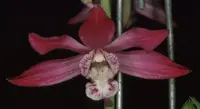
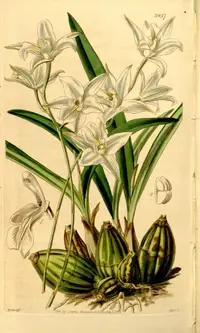
Calanthe pulchella is a terrestrial orchid, meaning it grows in soil rather than on trees. It forms clumps of pleated leaves and upright flower spikes. The plant is native to parts of Southeast Asia, where it usually grows in shaded, humid forest habitats with rich, well-drained soil. Flowers are often showy and colorful, which makes it attractive to collectors but less common in general houseplant trade.
This species can be moderately challenging, as it prefers stable moisture, cool to mild temperatures, and good air movement. Understanding how to care for Calanthe pulchella starts with providing soft, filtered light and evenly moist, humus-rich substrate.

Care Difficulty
Hard Care

Light Preference
Partial Shade

Water Requirements
Keep Soil Moist

Temperature Preference
Tropical / Frost Sensitive

Hardiness Zone
Unknown

Soil Texture
Loamy, Peaty, Organic-rich

Soil pH
Acidic (5.5–6.5)

Soil Drainage
Moist but well-drained

Fertilization
Light (every 4–6 weeks)
Scan your plant to receive care tips personalized for your specific plant
Available on iOS and Android
This terrestrial orchid prefers bright, filtered light that mimics a lightly shaded forest floor.
This plant needs evenly moist but never waterlogged soil, with slight drying between waterings.
This species prefers mild, frost-free conditions with noticeable but not extreme seasonal changes.
This terrestrial orchid prefers consistently humid air to support lush foliage and stable flowering.
This species grows best in a loose, humus-rich orchid substrate that drains quickly yet retains moderate moisture.
This species adapts well to container growing when moisture and root space are carefully managed.
This terrestrial orchid benefits from light, targeted feeding during active growth for steady flowering.
Pruning needs are light and focus on hygiene and supporting new growth rather than shaping.
Container-grown plants appreciate periodic repotting to refresh the mix and allow healthy root expansion.
Propagation is usually done by careful division rather than seed, which requires specialized conditions.
This deciduous orchid enters dormancy, so focus on protecting its underground parts from severe cold and excess moisture.

Plant Health Check
Not sure what's wrong with your plant? Check your plant's health inside the app.
This species is semi-deciduous in many habitats, keeping some foliage while shedding older leaves as it enters a rest phase after flowering, unlike fully evergreen tropical orchids.
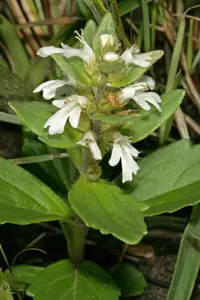
The flowers often open in brighter shades of pink to purple and can soften in color as they age, giving a multi-toned appearance on the same inflorescence.
Unlike many well-known epiphytic orchids, this species grows in soil with pseudobulbs and a fibrous root system adapted to leaf litter and humus-rich forest floors.
This terrestrial orchid usually flowers in late spring to early summer, depending on climate. Blooming can last several weeks if temperatures stay moderate and moisture is consistent. Cooler nights and steady humidity help extend the display.
Keep your plants happy and healthy with plant identification, disease detection, and easy care guidance.