Laelia albida Care

Laelia albida

About Laelia albida

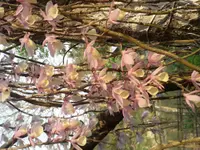
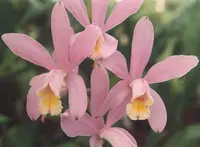
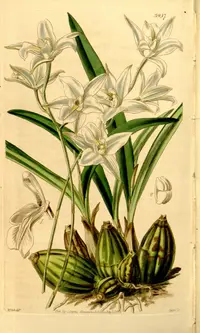
Laelia albida is a small to medium-sized epiphytic orchid, often grown mounted or in airy baskets, valued for its delicate winter-blooming flowers. It typically produces slender, upright pseudobulbs with narrow leaves and clusters of pale pink to white blooms that have a light, pleasant fragrance.

This species is native to higher-elevation regions of Mexico, where it grows on trees or rocks in bright, airy conditions with marked seasonal changes. It is considered moderately easy for growers who can provide strong light, good air movement, and a clear dry-to-moist rhythm rather than constant wetness. Understanding how to care for Laelia albida is helpful for anyone interested in cool to intermediate-growing orchids.

Main Plant Requirements

Care Difficulty

Moderate Care

Light Preference

Partial Sun

Water Requirements

Moderate Water

Temperature Preference

Tropical / Frost Sensitive

Hardiness Zone

10–12

Soil Texture

Sandy, Rocky, Organic-rich

Soil pH

Acidic (5.5–6.5)

Soil Drainage

Well-drained

Fertilization

Light (every 4–6 weeks)

Get Personalized Care Plan

Scan your plant to receive care tips personalized for your specific plant

Available on iOS and Android

How to Care for the Laelia albida

This species prefers bright, filtered light that mimics high-elevation, open woodland conditions.

  • Provide 4–6 hours of gentle morning sun with bright, dappled or filtered light the rest of the day; avoid harsh, direct midday summer sun to prevent leaf scorch.
  • Allow light shade in the hottest months; leaves should be medium green, as very dark green suggests too little light and yellow, leathery leaves suggest excess sun.
  • In winter, when the sun is weaker, increase exposure by moving plants to a brighter spot or giving more direct morning sun to support flowering for Laelia albida.

Watering should respect this orchid’s preference for a distinct wet–dry cycle.

  • During active growth, water thoroughly, then let the medium dry almost completely; the top 2–3 cm of bark or substrate should feel dry before watering again.
  • In winter rest, reduce watering to light, infrequent soakings, just enough to prevent pseudobulbs from shriveling noticeably, and never let the roots sit in water.
  • Use a very free-draining orchid mix and avoid saucers or spots where water collects, as constantly wet roots, blackened root tips, or a sour smell indicate overwatering stress.

This orchid is a cool- to intermediate-growing species that enjoys marked day–night temperature differences.

  • Aim for daytime temperatures of 65–80°F (18–27°C) and nights of 50–60°F (10–16°C) during the growing season for steady vegetative growth and flower initiation.
  • Laelia albida benefits from a diurnal drop of about 10–20°F (6–11°C), especially in late summer to fall, which helps trigger flowering and maintains compact growth.
  • Protect plants from temperatures below 40°F (4°C) and from heat above 90°F (32°C); brief light chills are tolerated, but frost or prolonged heat with stagnant air can damage leaves and roots.

This orchid prefers moderately humid air but copes with typical indoor conditions if watered correctly.

  • Aim for 40–60% humidity to balance leaf health and root drying between waterings.
  • Tolerates brief dips to 30% if roots dry quickly, but prolonged very dry air slows growth and shrivels pseudobulbs.
  • Humidity stress shows as wrinkled pseudobulbs and dull, limp leaves; increase humidity with a pebble tray or nearby room humidifier.

This epiphytic orchid needs a very airy, fast-draining medium rather than standard potting soil.

  • Use a coarse mix of medium orchid bark, perlite or pumice, and a little sphagnum moss to retain light moisture without staying wet.
  • Keep structure open so air reaches roots easily; large particles prevent compaction and root suffocation.
  • A slightly acidic to neutral range around pH 5.5–7 suits Laelia albida when using bark-based orchid mixes.
  • Avoid dense peat or garden soil, which holds water, collapses around roots, and encourages rot.

This species grows very well in containers, especially orchid pots or baskets that dry quickly.

  • Choose a snug, shallow pot or basket that keeps roots slightly confined so the plant anchors and dries evenly.
  • Use a pot with side slits or numerous holes to increase air movement through the bark and speed drying after watering.
  • Select clay or slatted wooden containers outdoors if extra evaporation is needed in humid or cool climates.

This orchid benefits from light, targeted feeding during active growth while resting on a lean diet the rest of the year.

  • Use a balanced orchid fertilizer (around 20-20-20) at 1/4–1/2 strength on Laelia albida during the growing season.
  • Feed every 2–3 weeks in spring and summer when new roots and pseudobulbs are forming.
  • Reduce to monthly or stop feeding in fall and winter as growth slows and plants rest.
  • Flush the potting medium with plain water every 3–4 feedings to prevent mineral salt buildup.

Pruning needs are minimal and focus on hygiene rather than shaping for this compact orchid.

  • After flowering, remove spent flower spikes at the base with clean, sharp scissors or pruners.
  • Cut away dead, shriveled, or rotting pseudobulbs and leaves to limit disease spread on Laelia albida.
  • Disinfect tools with alcohol between plants to avoid transmitting pathogens.
  • Avoid green, healthy growth removal, as this reduces future flowering potential and energy storage.

This species prefers tight conditions but benefits from periodic repotting to refresh its airy orchid mix.

  • Plan to repot every 2–3 years, or when roots circle the pot, escape drainage holes, or growth slows.
  • Choose late winter to early spring, just as new roots start, to help Laelia albida reestablish quickly.
  • Gently remove old medium, trimming only dead, mushy, or hollow roots and keeping firm, white or green ones.
  • Set the rhizome slightly above the mix, secure the plant, then shade and water lightly for 1–2 weeks to limit root stress.

Division is the standard method for increasing plants while preserving flower traits in this orchid.

  • Divide Laelia albida in late winter or early spring, timed with new root growth after flowering.
  • Unpot the clump and separate sections with at least 3–4 healthy pseudobulbs and active eyes each.
  • Dust cut surfaces with fungicide or cinnamon powder, then pot divisions in fresh, free-draining orchid mix.
  • Maintain bright, indirect light, high humidity (60–70%), and gentle air movement until new roots and shoots form.

This orchid needs a cool, dry rest period in winter rather than heavy protection in mild climates.

  • Keep night temperatures around 45–55°F and days 55–65°F to support flowering the next season in Laelia albida.
  • In cold regions, grow in containers and move indoors to a bright, cool room before frost.
  • Reduce watering significantly in winter, allowing the medium to dry almost completely between light waterings.
  • Avoid heavy mulching or sealing the medium, which can trap moisture and increase rot risk in cool conditions.

Care Tips

Cool winter rest

From late fall to late winter, provide nights around 45–55°F and reduce water so roots dry quickly, which supports reliable flowering the following season.

High light acclimation

If moving the plant to brighter light, increase exposure gradually over 2–3 weeks to prevent leaf scorch and allow thicker, more compact pseudobulbs to form.

Airy mounting setup

Mount plants on cork or hardwood with a thin pad of sphagnum only around the roots and secure with soft ties, which keeps roots well aerated and reduces the risk of rot.

Targeted calcium support

Use a balanced orchid fertilizer that includes calcium and magnesium or supplement lightly during active growth to support strong pseudobulbs and flower spikes when caring for Laelia albida.

Spike protection strategy

Once buds appear, keep the plant in a stable position away from drafts or frequent door openings, since sudden temperature swings and vibration can cause bud blast or deformed flowers.

Common Pests and Diseases

Scale insects

This pest often hides along leaf sheaths and pseudobulbs, sucking sap and causing yellowing, shriveling canes, and sticky honeydew on the plant. Symptoms include sooty mold growth on the honeydew and slow, weakened growth in cooler, dry winter-rest conditions.

Solution

Isolate the plant, then wipe affected areas with cotton swabs dipped in isopropyl alcohol and gently scrape off the scales from sheaths and pseudobulb crevices. Improve air movement, avoid overfertilizing, and repeat alcohol or insecticidal soap treatments every 7–10 days until no new insects appear.

Spider mites

These insects thrive on Laelia albida in warm, dry indoor air, causing fine speckling, dull leaves, and webbing on the undersides of leaves and between pseudobulbs. This pest can desiccate thin leaves quickly, especially during the bright, dry winter period.

Solution

Rinse foliage thoroughly under lukewarm water, focusing on leaf undersides, then use insecticidal soap or a horticultural oil labeled for mites. Raise humidity to 50–60%, increase air circulation, and avoid placing the plant in very dry, stagnant air to reduce reinfestation risk.

Mealybugs

This pest appears as white, cottony clusters in leaf axils, at pseudobulb bases, and around roots, where it feeds on sap and weakens new growth. Symptoms include distorted new shoots, sticky residue, and poor flowering over time.

Solution

Inspect all crevices, remove visible mealybugs with alcohol-dipped cotton swabs, and flush the root zone to dislodge hidden insects. Follow up with insecticidal soap or systemic insect granules suitable for orchids, and quarantine the plant away from other orchids while monitoring weekly for recurrence.

Bacterial brown rot

This disease causes rapidly spreading, water-soaked brown lesions on pseudobulbs and leaves, often with a foul odor, especially after periods of heavy watering and poor air flow. Symptoms include soft, collapsing tissue that may spread from a wounded area or from trapped water in leaf sheaths.

Solution

Immediately cut out all affected tissue with a sterile blade, cutting well into healthy, firm tissue, then dust cuts with ground cinnamon or a bactericidal product suitable for orchids. Reduce watering, keep water off the foliage, increase air circulation, and avoid crowding to prevent further bacterial spread when caring for Laelia albida.

Black rot (oomycete)

This disease, often caused by Phytophthora or Pythium species, leads to firm, blackened areas on new growths and pseudobulbs, usually following prolonged wetness and cool temperatures. Symptoms include rapid collapse of new shoots starting from the base, with a dark, advancing margin between healthy and diseased tissue.

Solution

Remove and discard all infected growths with sterilized tools, cutting back to clean, green tissue, and dispose of any contaminated potting mix. Allow the plant to dry slightly between waterings, improve drainage and air movement, and apply a systemic fungicide labeled for Phytophthora/Pythium on orchids according to label directions.

Interesting Facts

High-elevation specialist

This orchid is native to dry oak and pine–oak forests of Mexico, where it often grows epiphytically on trees at elevations around 1,500–2,400 m, tolerating cooler, drier conditions than many tropical orchids.

Winter-blooming habit

It typically flowers in late fall to winter, producing clusters of pale pink to almost white, fragrant blooms on leafless pseudobulbs when many other orchids are not in bloom.

Deciduous growth pattern

Mature pseudobulbs often shed their leaves before flowering, an adaptation to a pronounced dry season in its native habitat, which helps reduce water loss while still supporting floral development.

Botan icon

Did you know?

Laelia albida has played an important role in orchid breeding, contributing its cool-tolerant, winter-flowering traits and pale flower color to many hybrids valued by growers in temperate climates.

FAQs about Laelia albida

Lack of flowering usually comes from insufficient light, too-warm winter nights, or skipping the cool, dry rest after growth finishes. Provide bright light, a cooler, drier winter period, and balanced fertilizer only during active growth.

Grow Healthy Plants with Botan Care

Keep your plants happy and healthy with plant identification, disease detection, and easy care guidance.

Botan plant care app — identify plants on mobile

Explore More Plants