scarlet geranium Care (Pelargonium inquinans)

Also known as: Scented Storksbill, Scented Pelargonium, Scarlet Pelargonium
scarlet geranium

About scarlet geranium

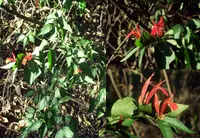
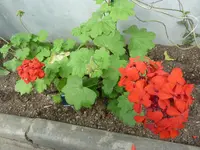
Scarlet geranium, Pelargonium inquinans, is a shrubby perennial often grown as a compact flowering houseplant or seasonal bedding plant. It is known for vivid red flower clusters and rounded, often slightly velvety leaves.

In its natural range in South Africa, it grows in sunny, fairly dry habitats, which explains its tolerance of heat and short dry spells. This makes it relatively forgiving for beginners who want to care for scarlet geranium.

The plant prefers bright light, moderate watering, and well-drained soil to avoid root problems. With adequate light and occasional pruning, it maintains a dense, tidy form and flowers reliably over a long season.

Main Plant Requirements

Care Difficulty

Easy Care

Light Preference

Full Sun

Water Requirements

Moderate Water

Temperature Preference

Tropical / Frost Sensitive

Hardiness Zone

10–11

Soil Texture

Sandy, Loamy, Organic-rich

Soil pH

Acidic (5.5–6.5), Slightly acidic (6.5–7.0)

Soil Drainage

Well-drained

Fertilization

Light (every 4–6 weeks)

Get Personalized Care Plan

Scan your plant to receive care tips personalized for your specific plant

Available on iOS and Android

How to Care for the scarlet geranium

Pelargonium inquinans thrives in bright conditions with several hours of direct sun each day for compact, floriferous growth.

  • Provide 4–6 hours of direct morning to early afternoon sun; in very hot regions, give light shade after 2–3 p.m. to prevent leaf scorch.
  • Plant in an open, unobstructed spot; plants tolerate light partial shade but may grow leggy and flower less with under 3–4 hours of sun.
  • In winter, move scarlet geranium to the brightest available position, as low sun angles and short days can reduce blooming.

Pelargonium inquinans prefers thorough but infrequent watering that allows the soil to dry slightly between soakings.

  • Water only when the top 3–5 cm of soil feel dry, then water deeply so moisture reaches the root zone and excess drains away.
  • Use a free-draining soil or bed; standing water or heavy clay encourages root rot, yellowing leaves, and mushy stems from overwatering.
  • In cooler seasons or cloudy periods, reduce frequency; dull, soft leaves often indicate excess moisture, while limp, crisping leaves signal underwatering.

This species favors warm, frost-free conditions and resents prolonged cold or extreme heat swings.

  • Aim for 65–80°F (18–27°C) for active growth, which supports strong stems and regular flowering.
  • Protect plants when temperatures approach 32°F (0°C); foliage is damaged by light frost and whole plants can be killed by hard freezes.
  • In hot spells above 90°F (32°C), provide some afternoon shade and avoid heat-reflecting surfaces that can stress plants and slow flowering.

This species prefers relatively dry air and usually grows best at 30–50% humidity.

  • Tolerates typical indoor dry air well and rarely needs extra humidity.
  • Watch for limp growth, pale new leaves, or persistent fungal spotting as signs humidity is too high rather than too low.
  • Improve air movement with a small fan and avoid grouping scarlet geranium tightly with high-humidity plants.

Soil for Pelargonium inquinans should be light, fast-draining, and moderately fertile.

  • Use a mix of roughly 50–60% peat- or coir-based potting mix, 20–30% perlite or pumice, and 10–20% coarse sand for a loose, airy texture.
  • Aim for slightly acidic to neutral pH, around 6.0–7.2, to support nutrient uptake without causing micronutrient lockout.
  • Ensure water drains through in seconds, not minutes; dense, waterlogged, or clay-heavy soil encourages root and stem rot.
  • Improve drainage in existing mixes by blending in extra perlite or fine bark chips and avoid adding garden soil that compacts easily.

This species is very suitable for container growing.

  • Choose a pot only 2–4 in wider than the root ball so the mix dries in a few days instead of staying wet for long periods.
  • Use a heavier clay or ceramic pot outdoors to keep the plant stable against wind and reduce tipping from top-heavy growth.
  • Elevate the pot slightly on feet or bricks so drainage holes stay clear and excess water exits quickly after rain or watering.

Pelargonium inquinans responds well to moderate feeding during active growth for sustained flowering.

  • Use a balanced liquid fertilizer (for example 10-10-10 or 15-15-15) at 1/2 strength every 2–3 weeks in spring and summer.
  • Alternatively, apply a slow-release granular fertilizer in early spring, following label rates for container plants or bedding.
  • In rich garden soil, supplement only lightly with compost around the root zone once in spring.
  • Stop feeding or reduce to monthly low-strength applications in fall and winter, especially for indoor scarlet geranium plants.

Thoughtful pruning keeps Pelargonium inquinans compact, floriferous, and long-lived.

  • Carry out main pruning in late winter or early spring before strong new growth starts.
  • Remove dead, damaged, or crossing stems first, then shorten leggy shoots by 1/3 to encourage branching and more blooms.
  • Pinch soft tips during the growing season to maintain a dense, bushy shape in containers or beds.
  • Use clean, sharp scissors or hand pruners and disinfect blades when moving between plants to limit disease spread.

Container-grown plants benefit from occasional repotting to maintain vigorous Pelargonium inquinans growth.

  • Look for roots circling the pot, drying out very fast, or stalled top growth as signs a larger container is needed.
  • Plan to repot every 1–2 years in late winter or early spring, just before active growth resumes.
  • Choose a pot 2–5 cm wider, using fresh, well-drained mix; gently loosen circling roots without tearing them heavily.
  • Water lightly after repotting, keep in bright but not harsh sun for 3–5 days, and avoid heavy feeding until new growth appears.

New Pelargonium inquinans plants are most often produced from stem cuttings taken in warm seasons.

  • Take 7–10 cm non-flowering stem cuttings in late spring or summer, cutting just below a node.
  • Remove lower leaves, let the cut end callus for a few hours, then insert into a sterile, well-drained mix of perlite and peat or similar.
  • Maintain bright, indirect light, 65–75°F, and lightly moist but not wet medium to encourage rooting within a few weeks.
  • Seeds can also be sown in warm, bright conditions in spring, kept evenly moist until germination.

Pelargonium inquinans is frost-sensitive and needs structured winter care in regions with freezing temperatures.

  • Before first frost, move container plants indoors to a bright, cool room kept above 45–50°F.
  • Reduce watering markedly in winter, allowing the top half of the potting mix to dry between waterings.
  • For in-ground plants in mild climates, apply a light mulch around the root zone, keeping material away from stems.

Care Tips

Regular stem renewal

Every 2–3 years, take cuttings from the healthiest non-woody stems and root them to replace older, leggy plants, which keeps displays compact and maintains flower quality.

Controlled overwintering rest

If grown in a cool bright space at 45–55°F for winter, reduce watering and stop feeding so the plant can rest, then gradually increase water and light in early spring to prompt vigorous new growth.

Targeted pest scouting

Inspect the undersides of leaves and shoot tips weekly with a hand lens for early signs of whiteflies, aphids, and spider mites, and treat localized infestations immediately with insecticidal soap before pests spread across the plant.

Deadhead with precision

Remove entire spent flower stalks by cutting back to the first healthy leaf node rather than just pulling off faded petals, which reduces botrytis (gray mold) risk and redirects energy to new buds.

Outdoor hardening routine

When moving plants outdoors in spring, increase their time outside gradually over 7–10 days, starting in bright shade then moving to full sun, to prevent leaf scorch and stress while growing scarlet geranium in containers or beds.

Common Pests and Diseases

Geranium rust

This disease causes small, round, yellow spots on upper leaf surfaces with matching brown pustules on the undersides. Symptoms include premature leaf drop and overall weakening of the plant, especially in humid, crowded conditions.

Solution

Remove and discard all heavily spotted leaves and increase air circulation around plants by spacing and pruning. Keep foliage dry, avoid overhead watering, and use a labeled fungicide for rust on geraniums if the problem persists or is severe.

Botrytis blight

This disease produces soft, brown, water-soaked spots on leaves, flowers, and stems that soon develop a fuzzy gray mold, especially in cool, damp conditions. Symptoms include bud blast, flower drop, and collapse of tender tissue.

Solution

Promptly remove and discard all affected flowers and plant parts, and keep the plant in a drier, well-ventilated spot with good air movement. Water at the base in the morning, avoid splashing the foliage, and apply a suitable fungicide if cultural changes do not stop new lesions.

Geranium budworm

This pest is the caterpillar of a moth that tunnels into flower buds, chews petals, and leaves brown frass, causing distorted or unopened blooms. Symptoms include ragged flowers and hollow buds that fail to open.

Solution

Handpick caterpillars and remove damaged buds, inspecting plants in the evening when larvae are more active. Encourage natural predators, use Bt (Bacillus thuringiensis) products targeted at caterpillars, and avoid leaving old flowers on the plant where eggs or larvae may hide.

Aphids

These insects cluster on shoot tips and flower stems, sucking sap and causing curled, sticky, and distorted new growth. This pest also excretes honeydew that can lead to sooty mold on leaves.

Solution

Spray plants with a firm stream of water to dislodge colonies, then treat remaining insects with insecticidal soap or a horticultural oil, coating the undersides of leaves. Repeat treatments every 5–7 days until populations drop, and avoid overfertilizing with nitrogen, which encourages soft, aphid-prone growth.

Whiteflies

These insects are small, white, moth-like pests that fly up in clouds when the plant is disturbed and feed on leaf undersides. Symptoms include yellowing leaves, sticky honeydew, and reduced plant vigor, especially in warm indoor or greenhouse conditions where scarlet geranium indoor care is common.

Solution

Vacuum or tap dislodged adults into soapy water and remove heavily infested leaves if practical. Use yellow sticky traps to monitor and reduce adults, and apply insecticidal soap or horticultural oil thoroughly to leaf undersides on a 5–7 day schedule until the life cycle is broken.

Interesting Facts

Wild parent of zonals

This species is one of the main wild parents used to create modern zonal geranium hybrids, known for their banded leaves and showy flower heads. Many common red garden geraniums trace a significant part of their ancestry back to this single species.

Natural cliff dweller

In its native range in South Africa, it often grows on rocky slopes and cliff faces, rooting into crevices rather than deep soil. This growth habit helps explain its tolerance of relatively dry, exposed garden conditions.

Distinct scarlet pigments

The bright red flowers are rich in anthocyanins, a group of water-soluble pigments responsible for red to purple coloration in many plants. Breeders have used this strong scarlet pigmentation as a base for developing a wide range of red-toned cultivars while growing scarlet geranium.

Botan icon

Did you know?

Early European plants of this species were sometimes confused with true Pelargonium zonale, and material from both species was combined in breeding programs. This historical mix of wild lineages is one reason modern red geranium cultivars can show subtle differences in leaf shape, flower form, and growth habit that do not match any single wild parent.

FAQs about scarlet geranium

Yellowing leaves usually come from overwatering, compacted or poorly draining soil, or natural aging of lower foliage. Check drainage, let the top layer of soil dry more between waterings, and remove only fully spent, soft, or mushy leaves.

Grow Healthy Plants with Botan Care

Keep your plants happy and healthy with plant identification, disease detection, and easy care guidance.

Botan plant care app — identify plants on mobile

Explore More Plants