moonflower Care (Ipomoea alba)

Also known as: Moonflower, Moonflower or moon vine, Moonvine
moonflower

About moonflower

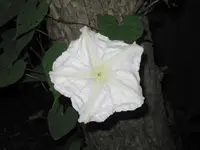
Moonflower, Ipomoea alba, is a fast-growing tropical vine known for its large, white, night-blooming flowers and twining growth habit. It is usually grown as an annual in cooler climates, but behaves as a perennial in warm, frost-free regions.

In nature it occurs in tropical and subtropical areas of the Americas, where it climbs over shrubs and trees. The fragrant flowers open at dusk and attract nighttime pollinators such as moths.

The plant is considered moderately easy to grow, provided it receives enough warmth, sun, and a support to climb. Light, well-drained soil and regular moisture make it easier to care for moonflower without problems.

Main Plant Requirements

Care Difficulty

Moderate Care

Light Preference

Full Sun

Water Requirements

Moderate Water

Temperature Preference

Tropical / Frost Sensitive

Hardiness Zone

10–12

Soil Texture

Sandy, Loamy, Organic-rich

Soil pH

Acidic (5.5–6.5), Slightly acidic (6.5–7.0)

Soil Drainage

Well-drained

Fertilization

Light (every 4–6 weeks)

Get Personalized Care Plan

Scan your plant to receive care tips personalized for your specific plant

Available on iOS and Android

How to Care for the moonflower

Ipomoea alba performs best in strong, consistent light outdoors for abundant evening blooms.

  • Provide 6–8 hours of direct sun daily, with at least some morning sun; light afternoon shade helps in very hot climates.
  • The plant tolerates light partial shade (around 3–4 hours of direct sun), but flowering and vigor decrease noticeably.
  • In summer, protect from reflected heat off walls or pavement to reduce leaf scorch; in shorter winter days, expect slower growth and fewer or no flowers on moonflower.

Ipomoea alba prefers evenly moist, well-drained soil that never stays soggy for long periods.

  • Water when the top 2–3 cm of soil feels dry, using a deep soak that reaches the root zone rather than frequent light splashes.
  • In hot, windy weather, check soil more often; in cooler or rainy periods, extend intervals and avoid watering if soil is already damp.
  • Yellowing, soft leaves and a sour smell indicate overwatering and poor drainage, while limp, crisping leaves and very dry soil signal underwatering.

This tropical vine thrives in warm conditions and is very sensitive to cold and frost.

  • Aim for 70–85°F (21–29°C) for strong growth and flowering, with warmer evenings encouraging more blooms.
  • Do not expose plants to temperatures below 50°F (10°C); growth slows sharply near this point and frost at 32°F (0°C) kills foliage and often roots.
  • Ipomoea alba tolerates short spikes up to about 95°F (35°C) if soil moisture is maintained, but extended extreme heat can cause wilting and fewer flowers.

This species handles typical household humidity but benefits from slightly moist air in heated or very dry homes.

  • Aim for 40–60% humidity, which usually matches most living spaces without extra equipment.
  • Moonflower tolerates short dry spells but leaf edges may brown or curl if air stays very dry near radiators or vents.
  • Increase humidity locally by grouping plants, placing the pot on a pebble tray with water below the pot base, or using a small room humidifier.

Ipomoea alba prefers loose, airy soil that drains quickly yet holds moderate moisture.

  • Use a mix of 50–60% all-purpose potting mix, 20–30% compost, and 20–30% perlite or coarse sand to keep soil open and well-drained.
  • Choose loamy or sandy-loam soil outdoors, avoiding heavy clay that compacts and restricts root oxygen.
  • Keep pH slightly acidic to neutral, around 6.0–7.0, which supports nutrient availability for fast growth.
  • Avoid waterlogged or constantly wet spots; raise beds or amend with coarse sand and fine bark to improve drainage and aeration.

This vine is well-suited to container growing when given adequate root space and support.

  • Select a deep, heavy container that resists tipping once the vine climbs and becomes top-heavy.
  • Provide a trellis or support fixed firmly into the pot so wind movement does not loosen roots.
  • Choose terracotta or other breathable materials in rainy climates to help excess moisture evaporate faster.

Ipomoea alba responds well to moderate feeding during its active growing season.

  • Use a balanced liquid fertilizer (around 10-10-10 or 20-20-20) diluted to 1/2 strength for caring for moonflower in containers.
  • Feed every 2–3 weeks from late spring through early fall while the vine is growing and flowering.
  • In the ground, mix compost into the soil at planting, then supplement with a light application of slow-release fertilizer in late spring.
  • Stop or greatly reduce feeding in late fall and winter, when growth slows or plants die back in cold climates.

Pruning helps keep Ipomoea alba manageable and encourages flowering on vigorous vines.

  • Time main pruning for late spring to early summer, after plants establish but before they become overly tangled.
  • Remove dead, damaged, or pest-infested stems first, using clean, sharp hand pruners.
  • Thin crowded or excessively long shoots to improve air circulation and direct growth along supports.
  • Lightly tip-back vigorous stems to promote branching and more flowering sites along the vine.

Transplanting or potting on Ipomoea alba is mainly needed for young plants started in containers.

  • Check for roots circling the pot drainage holes, slowed growth, or quick drying soil as signs a plant needs more space.
  • Transplant seedlings outdoors after frost has passed and soil warms, usually in late spring, to a sunny, well-drained site with support.
  • Move to only 1 pot size larger or a prepared garden bed to limit root disturbance and reduce transplant shock.
  • Handle roots gently, keep the original soil ball intact, water thoroughly after planting, and shade lightly for a few days if conditions are very bright.

Ipomoea alba is most often propagated from seed, with cuttings as a secondary option.

  • Sow seeds in late spring, 4–6 weeks before the last frost indoors or directly outdoors after frost danger has passed.
  • Scarify hard seed coats by gently nicking or soaking seeds in warm water for 12–24 hours to speed germination.
  • Provide 70–80°F warmth, bright light, and evenly moist but not waterlogged seed mix until seedlings emerge.
  • For stem cuttings, take softwood pieces in late spring, remove lower leaves, and root in moist, well-drained medium under high humidity.

Ipomoea alba is frost-tender and behaves as an annual in most temperate climates.

  • Expect outdoor vines to be killed by the first hard frost, even if roots are mulched heavily.
  • In mild climates without hard freezes, apply a 5–8 cm mulch over the root zone to buffer temperature swings.
  • For container plants, move pots indoors before temperatures drop below 50°F and place in bright light with reduced watering.
  • Collect mature seeds before frost if planning to replant the following growing season.

Care Tips

Evening Flower Support

Place the plant where flowers can be easily viewed in the evening, such as near a seating area or path, and use a simple lantern or porch light to attract moth pollinators that will help set more seed pods.

Efficient Trellis Training

Install a tall, sturdy trellis or vertical wire system before planting, then loosely tie new vines every 20–30 cm using soft ties or garden clips to keep growth orderly and prevent stems from kinking in wind.

Season-Extension Sowing

In cooler regions, start seeds indoors in biodegradable pots 3–4 weeks before the last frost and transplant the entire pot, undisturbed, to avoid root shock and gain earlier flowering when growing moonflower.

Night Bloom Monitoring

Check buds in late afternoon and early evening a few times per week so you can spot and remove any budworm damage or fungal spotting early, before it affects large numbers of flowers.

Seed Harvest Planning

After flowering, mark a few healthy, vigorous vines and allow seed pods on those stems to mature fully and dry on the plant, then collect and store the seeds in a cool, dry place to maintain strong genetics for next year.

Common Pests and Diseases

Spider mites

This pest often appears on moonflower vines grown in hot, dry conditions, causing fine stippling and a dull, dusty look to leaves. Symptoms include thin webbing on leaf undersides and along young stems.

Solution

Rinse foliage thoroughly with a strong but controlled stream of water, focusing on leaf undersides, then repeat every few days to break the life cycle. For heavier infestations, apply insecticidal soap or horticultural oil labeled for mites in the evening and improve humidity and air movement around the vines as part of ongoing Ipomoea alba care.

Leafminers

These insects create winding, pale tunnels inside moonflower leaves as the larvae feed between leaf surfaces. Symptoms include serpentine trails and distorted or blistered foliage on vigorous vines.

Solution

Remove and discard mined leaves as soon as damage is seen to reduce larvae and prevent new adults from emerging. For continuing problems, use sticky traps to monitor adult flies and apply a neem oil or spinosad-based spray to young foliage, following label directions and avoiding spraying during the hottest part of the day.

Rust

This disease produces small, orange to brown pustules on the undersides of leaves, often with yellowing spots visible on the upper surface. Symptoms include premature leaf drop on dense, humid plantings of moonflower.

Solution

Promptly remove and discard affected leaves to lower spore levels and avoid overhead watering to keep foliage as dry as possible. Improve spacing and airflow around vines, and where rust recurs, use a sulfur or copper-based fungicide labeled for ornamental vines, applied preventively when warm, humid weather is expected.

Powdery mildew

This disease shows as white, powdery patches on upper leaf surfaces, buds, and young stems, especially when nights are cool and days are warm. Symptoms include leaf curling, yellowing, and reduced flowering on heavily affected plants.

Solution

Increase sunlight and airflow around vines, avoid wetting the foliage, and prune congested growth to reduce humidity near the leaves. At early signs, apply a baking soda-based, potassium bicarbonate, or neem oil fungicide on both sides of the leaves, repeating as directed until new growth remains clean.

Cucumber beetles

These insects chew small holes and ragged edges in leaves and flowers and can skeletonize young moonflower foliage when populations are high. This pest may also vector bacterial diseases that weaken vines over time.

Solution

Hand-pick beetles in the early morning, shaking them into soapy water, and use yellow sticky traps or floating row covers over young plants until vines are established. Remove nearby cucurbit and weedy hosts, and if damage persists, use a targeted pyrethrin or neem-based spray in the evening, directed only at feeding beetles to limit impact on pollinators.

Interesting Facts

Night-blooming pollination

The flowers open at dusk and are primarily pollinated by nocturnal hawkmoths, which are attracted by the strong fragrance and pale, reflective petals that are highly visible in low light.

Rapid flower opening

Each blossom opens very quickly around sunset, sometimes within minutes, then withers by the following morning, so a single plant produces many short-lived flowers over the season rather than long-lasting blooms.

Crescent moon-shaped seeds

The seeds are relatively large, hard, and often slightly crescent- or kidney-shaped, a feature that helps distinguish this species from many other morning glories when not in bloom.

Botan icon

Did you know?

Ipomoea alba is thought to have been domesticated in pre-Columbian tropical America and was historically cultivated by Indigenous cultures, with archaeological evidence indicating its use alongside other domesticated Ipomoea species such as those related to the sweet potato.

FAQs about moonflower

Insufficient nighttime warmth, too little sun, or excess nitrogen fertilizer often delays buds. Very young vines also bloom late. Keep soil only moderately fertile and avoid heavy pruning once flower buds form when growing moonflower.

Grow Healthy Plants with Botan Care

Keep your plants happy and healthy with plant identification, disease detection, and easy care guidance.

Botan plant care app — identify plants on mobile

Explore More Plants