Control Spreading Edges
Once or twice a year, use a sharp spade or hand edger to slice straight down around the colony edge and remove encroaching runners before they invade lawns or delicate perennials.

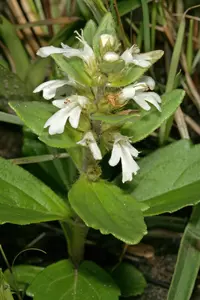
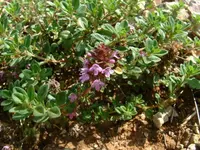
Ajuga ophrydis is a low-growing perennial ground cover in the mint family, valued for its dense foliage and compact habit. It typically forms spreading mats with small leaves and short flower spikes that add subtle color and texture at soil level.
This species is native to parts of Asia, where it grows in open, often rocky or grassy habitats. Its hardy nature and creeping growth make it useful for filling gaps between stones or in small border areas.
Ajuga ophrydis is generally easy to grow if given moderately moist, well-drained soil and light from partial shade to gentle sun. Understanding how to care for bugle plant starts with recognizing its preference for stable moisture and protection from extreme heat or drought.

Care Difficulty
Moderate Care

Light Preference
Partial Shade

Water Requirements
Moderate Water

Temperature Preference
Cool Climate

Hardiness Zone
6–9

Soil Texture
Loamy, Silty, Organic-rich

Soil pH
Acidic (5.5–6.5), Slightly acidic (6.5–7.0)

Soil Drainage
Moist but well-drained

Fertilization
Minimal (feed rarely)
Scan your plant to receive care tips personalized for your specific plant
Available on iOS and Android
Ajuga ophrydis prefers bright conditions but stays healthiest with gentle, filtered light.
Ajuga ophrydis needs consistently moist but not waterlogged soil for steady growth.
This groundcover prefers cool to mild temperatures and tolerates moderate cold once established.
Ajuga ophrydis handles a wide humidity range and rarely needs special humidity management outdoors.
Ajuga ophrydis prefers moist, well-structured soil that does not stay waterlogged.
This species adapts well to containers when moisture and spread are managed carefully.
Ajuga ophrydis is a low-feeding groundcover that benefits from light nutrition in poor soils.
Ajuga ophrydis benefits from light pruning to keep the mat dense and to manage spreading.
This species is most often grown as a groundcover, so care focuses on transplanting clumps rather than frequent repotting.
Ajuga ophrydis is commonly propagated by division and by using its natural runners.
Ajuga ophrydis is generally cold hardy and needs minimal winter care in most temperate climates.

Plant Health Check
Not sure what's wrong with your plant? Check your plant's health inside the app.
This species is naturally recorded only from limited highland regions of south-central Turkey, where it grows in specific rocky and open habitats rather than being widespread across Europe like several other Ajuga species.
It is associated with dry, open, often calcareous mountain grasslands and steppe-like slopes, indicating adaptation to strong light, good drainage, and comparatively low nutrient conditions.
Taxonomists treat this species as part of a morphologically variable group within Ajuga, and some authors have discussed it in relation to closely allied taxa when revising the genus in Turkey.
This species spreads steadily by short stolons, forming a low mat over time. It is usually manageable in garden beds but can edge into nearby areas, so edging or occasional dividing helps keep patches within bounds.
Keep your plants happy and healthy with plant identification, disease detection, and easy care guidance.