fringed loosestrife Care (Lysimachia ciliata)

fringed loosestrife

About fringed loosestrife

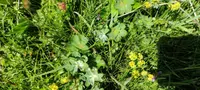
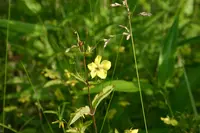
Fringed loosestrife, Lysimachia ciliata, is a hardy herbaceous perennial native to damp meadows, stream banks, and open woodlands in North America. It spreads by rhizomes, forming loose colonies of upright green stems with softly toothed, often reddish-tinged leaves. In summer, it bears nodding, yellow star-shaped flowers that hang from slender stalks in the leaf axils, giving a light, informal look. The plant prefers consistently moist soil and can tolerate anything from full sun in cool climates to partial shade in warmer areas. Its adaptability and vigor make it easy to grow, but gardeners should plan space carefully and understand how to care for fringed loosestrife in garden settings.

Main Plant Requirements

Care Difficulty

Easy Care

Light Preference

Full Sun

Water Requirements

Keep Soil Moist

Temperature Preference

Cold Hardy

Hardiness Zone

3–8

Soil Texture

Loamy, Silty, Organic-rich

Soil pH

Acidic (5.5–6.5), Slightly acidic (6.5–7.0)

Soil Drainage

Waterlogged tolerant

Fertilization

Minimal (feed rarely)

Get Personalized Care Plan

Scan your plant to receive care tips personalized for your specific plant

Available on iOS and Android

How to Care for the fringed loosestrife

This moisture-loving perennial grows best with consistent, moderate light exposure across the day.

  • Provide 4–6 hours of sun daily, ideally morning sun with light afternoon shade to prevent leaf scorch, especially in hotter regions.
  • Accepts partial shade (2–4 hours of direct sun) with bright, open sky; in deeper shade, fringed loosestrife becomes taller, looser, and may flower less.
  • In summer, protect from intense late-afternoon sun, while in spring and fall slightly higher light improves flowering and stronger stems.

This species prefers evenly moist soil and shows stress quickly if it dries out too much.

  • In the ground, water when the top 2–3 cm of soil no longer feels damp, aiming to keep the root zone consistently moist but not saturated.
  • Use soil that drains freely yet holds moisture; pooling water or sour, swampy odor signals overwatering and possible root decline.
  • Wilting, dull foliage, and dry, crumbly soil point to underwatering, while yellowing lower leaves with soft stems suggest excess moisture, especially in cool weather.

This hardy perennial tolerates a wide temperature range but grows most actively in mild conditions.

  • Optimal growth occurs around 65–80°F (18–27°C), with strong shoot and root development during spring and early summer.
  • The plant survives winter cold down to about -20°F (-29°C) in the ground, dying back above soil level and resprouting from the crown in spring.
  • In summer heat above 85°F (29°C), flowering may slow and leaves can scorch; provide mulch and soil moisture to moderate root temperatures.

This species prefers moderately moist air but usually adapts to typical outdoor humidity levels.

  • Aim for 40–70% humidity, especially in hot, drying winds.
  • Tolerates short dry spells, but prolonged very dry air can cause browning leaf tips and edge scorch.
  • Increase humidity in exposed sites by mulching the soil and grouping plants near other moisture-loving perennials like fringed loosestrife.

This plant grows best in consistently moist, fertile, well-structured soil.

  • Use a loamy, organic-rich soil that holds moisture yet does not stay waterlogged, combining garden loam with compost in roughly equal parts.
  • Ensure moderate drainage; very heavy clay should be lightened with coarse sand and extra compost to improve aeration and root penetration.
  • Aim for slightly acidic to neutral pH around 6.0–7.0, avoiding highly alkaline soils that can limit nutrient availability.
  • Avoid compacted or very shallow soils; work in organic matter 10–15 cm deep to keep the root zone loose and oxygenated for Lysimachia ciliata.

This species can be grown in containers if moisture and root space are carefully managed.

  • Choose a wide, fairly deep pot to accommodate its spreading root system and prevent crowding that accelerates drying.
  • Select a heavier material like ceramic or thick plastic to stabilize vigorous top growth and slow water loss from the substrate.
  • Use a moisture-retentive mix and place the container in a tray that allows quick runoff rather than standing water, which encourages root rot.

This hardy perennial grows well with minimal feeding but benefits from light nutrition in poorer soils.

  • Apply a balanced, slow-release fertilizer (around 10-10-10) once in early spring as new growth starts.
  • Use a light rate or half-strength product, especially in moist, fertile beds where fringed loosestrife already grows vigorously.
  • Supplement with a thin layer of compost around the root zone instead of frequent synthetic feeding.
  • Stop fertilizing by late summer and do not feed during winter dormancy.

Pruning helps maintain Lysimachia ciliata within bounds and supports dense, healthy growth.

  • Cut back spent flower stems in late summer to tidy the clump and limit self-seeding.
  • Remove dead, damaged, or weak shoots at ground level using clean hand pruners or shears.
  • Thin congested areas by taking out selected stems, encouraging better air flow and sturdier growth.
  • Shear or cut plants close to the ground in late fall or very early spring to refresh foliage.

This species is most often grown in the ground, where occasional transplanting controls spread and maintains vigor.

  • Plan to lift and divide clumps every 3–5 years, preferably in early spring or early fall.
  • Watch for thinning centers, slow growth, or crowded patches as signs it benefits from relocation or division.
  • Dig up the clump carefully, keeping a generous root ball, and separate sections with several shoots each.
  • Replant divisions promptly at the same depth, water thoroughly, and shade lightly for a few days to reduce stress.

Lysimachia ciliata is commonly propagated by division, but seeds and stem cuttings also work well.

  • Divide established clumps in early spring or early fall, replanting segments with healthy roots and 2–3 shoots.
  • Sow fresh seed outdoors in fall or use cold stratification to improve spring germination.
  • Take 8–10 cm softwood cuttings in late spring, root in moist, well-drained medium, and keep humidity moderately high.
  • Label new plantings and keep soil consistently moist until strong new growth appears.

This hardy perennial is cold tolerant across much of the US and usually needs minimal winter care in the ground.

  • In late fall, allow stems to die back naturally or cut them near soil level after frost.
  • Apply a 5–8 cm layer of organic mulch in colder regions to buffer freeze–thaw cycles around roots.
  • For container plants in very cold climates, move pots to a sheltered unheated garage or against a protected wall.

Care Tips

Use root barriers

In garden beds, install a 20–30 cm deep root barrier or plant in large buried containers to limit underground spread and keep colonies from invading nearby perennials.

Pinch for bushiness

Pinch back soft shoot tips in late spring when stems are 10–15 cm tall to encourage denser, shorter growth that resists flopping and fills in planting gaps more evenly.

Staggered thinning

Every 2–3 years, thin out about one‑third of the oldest stems right after flowering to keep patches vigorous and prevent overcrowding that can invite foliar disease.

Moisture‑zoned planting

Position plants at slightly different distances from a water source or pond edge to observe which moisture level they favor in your soil, then use divisions from the best‑performing clumps to expand plantings when growing fringed loosestrife.

Targeted slug control

In early spring, place rough copper tape or shallow beer traps around young shoots to reduce slug and snail damage before stems elongate and foliage becomes dense.

Common Pests and Diseases

Leaf spot

This disease causes small brown to black spots on leaves that may enlarge, merge, and lead to premature yellowing and drop, especially in dense, wet plantings.

Solution

Remove and discard affected leaves, avoid overhead watering, and thin or divide crowded clumps to improve airflow; in persistent wet conditions, a labeled copper or chlorothalonil fungicide can be used preventively on new foliage if local regulations allow.

Powdery mildew

This disease leads to a white, powdery coating on upper leaf surfaces and can cause distortion or early leaf drop during humid, stagnant conditions.

Solution

Improve air circulation by spacing and dividing plants, water at soil level in the morning, remove heavily infected foliage, and if needed apply a sulfur or potassium bicarbonate-based fungicide at the first signs of infection.

Rust

This disease produces small orange to brown pustules on the undersides of leaves, often with yellow mottling visible on the upper surfaces, and can weaken plants over time.

Solution

Promptly remove and destroy infected leaves, keep foliage as dry as possible, increase spacing to reduce humidity around the plants, and in severe, recurring cases use a labeled rust fungicide according to local guidelines as part of Lysimachia ciliata care.

Aphids

These insects cluster on young stems and leaf undersides, sucking sap and causing curling, distortion, and sticky honeydew that may lead to sooty mold growth.

Solution

Spray plants with a strong stream of water to dislodge colonies, remove heavily infested stems, and use insecticidal soap or a horticultural oil targeting the undersides of leaves, repeating every 5–7 days until populations are reduced.

Slugs and snails

These pests chew irregular holes in leaves and can skeletonize tender new growth, especially in moist, shaded sites that fringed loosestrife prefers.

Solution

Hand-pick slugs and snails at dusk, reduce hiding spots such as thick mulch and debris, use copper barriers or beer traps around valuable clumps, and if needed apply iron phosphate slug bait around but not directly on the crowns.

Interesting Facts

Fringed leaf edges

The species name ciliata refers to the fine, hair-like fringe along the leaf margins, which is a reliable field character distinguishing it from other yellow-flowered Lysimachia species.

Color-shifting foliage

Many wild and cultivated populations show green summer foliage that turns bronze, purple, or burgundy in strong light or cool autumn weather due to increased anthocyanin pigments.

Moisture-loving rhizomes

This plant spreads by slender rhizomes in moist soils along streams, ditches, and wet meadows, helping stabilize soil in periodically flooded habitats.

Botan icon

Did you know?

Fringed loosestrife flowers are visited by a wide range of native bees that often collect oil from specialized floral glands (elaiophores), an uncommon resource compared with the nectar and pollen offered by most garden flowers.

FAQs about fringed loosestrife

This species spreads by rhizomes and self-seeding and can form dense colonies over time. In smaller gardens, use root barriers, containers, or regular division to keep patches contained and prevent it overwhelming nearby plantings.

Grow Healthy Plants with Botan Care

Keep your plants happy and healthy with plant identification, disease detection, and easy care guidance.

Botan plant care app — identify plants on mobile

Explore More Plants