Early spring division
Divide mature clumps every 3–4 years in early spring, replanting outer vigorous sections at the same depth to maintain flowering performance and prevent crowding in the center of the plant.

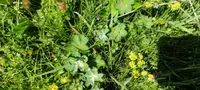
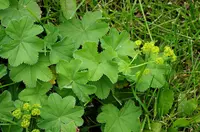
Alchemilla vetteri is a small herbaceous perennial in the rose family, related to the more familiar lady’s mantle. It typically forms low, clumping mounds of softly textured, lobed leaves that may catch and hold droplets of water. The overall look is modest and ground-hugging rather than tall or showy.
This species is native to cooler regions of Europe, often found in open meadows, light woodland edges, or rocky slopes with consistent moisture. It is generally considered undemanding once established, provided the soil drains well and does not stay waterlogged. Gardeners who learn how to care for Alchemilla vetteri usually find it a reliable plant for borders, rock gardens, or naturalistic plantings.

Care Difficulty
Moderate Care

Light Preference
Partial Shade

Water Requirements
Moderate Water

Temperature Preference
Cool Climate

Hardiness Zone
Unknown

Soil Texture
Loamy, Silty, Organic-rich

Soil pH
Acidic (5.5–6.5), Slightly acidic (6.5–7.0)

Soil Drainage
Moist but well-drained

Fertilization
Minimal (feed rarely)
Scan your plant to receive care tips personalized for your specific plant
Available on iOS and Android
This perennial prefers cool, mild light conditions rather than intense sun exposure.
This plant prefers evenly moist but not saturated soil throughout the growing season.
This hardy perennial tolerates cool climates but grows best in moderate temperatures.
This species tolerates a wide humidity range and usually does not need special humidity management outdoors.
Alchemilla vetteri prefers moist, well-drained, humus-rich soil that does not stay waterlogged.
This species is suitable for container growing when moisture and drainage are balanced carefully.
This plant grows well in average garden soil and needs only light feeding for best foliage quality.
Pruning is mainly used to keep the clump tidy and encourage fresh foliage.
This species is typically grown in the ground and benefits more from occasional division and transplanting than from container repotting.
Propagation is commonly done by division, with seeds as a secondary option for larger numbers of plants.
This hardy perennial generally needs minimal winter attention in most temperate climates.

Plant Health Check
Not sure what's wrong with your plant? Check your plant's health inside the app.
This lady’s mantle species is considered narrowly distributed in parts of Europe, where it occurs in specific montane or submontane habitats rather than being broadly widespread like many other Alchemilla species.
It is distinguished from closely related taxa by subtle but stable characters such as the shape and division of the leaf lobes, the pattern of marginal teeth, and details of the stipules, which taxonomists use to separate it from similar Alchemilla in floras and identification keys.
The species has been cited in regional floristic and revisionary work as an example of how fine-scale morphological comparison helps resolve the historically complex and confusing taxonomy of the Alchemilla genus.
This species usually forms neat clumps and spreads slowly by short rhizomes and self-seeding. It is not typically aggressive, but in ideal conditions seedlings may appear nearby and can be thinned or transplanted easily.
Keep your plants happy and healthy with plant identification, disease detection, and easy care guidance.