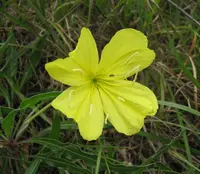
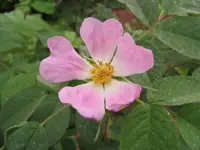
Rose Care (Rosa 'Penelope')

About Rose

Rosa 'Penelope' is a hybrid musk rose, grown mainly as a garden shrub for its soft, semi-double flowers and gentle fragrance. It forms a rounded, bushy plant with arching stems and glossy green foliage.

This cultivar was bred for ornamental use rather than wild habitats, so it is found in gardens and landscapes rather than in nature. It tends to be reasonably resilient, but its vigor and flowering depend on good site choice and basic disease prevention.

Rosa 'Penelope' responds best to full sun, moderate moisture, and well-drained soil, which makes it easier to care for Rose in many temperate gardens.

Main Plant Requirements

Care Difficulty

Moderate Care

Light Preference

Full Sun

Water Requirements

Regular Water

Temperature Preference

Cold Hardy

Hardiness Zone

5–9

Soil Texture

Loamy, Sandy, Clay

Soil pH

Acidic (5.5–6.5), Slightly acidic (6.5–7.0)

Soil Drainage

Moist but well-drained

Fertilization

Moderate (every 2–4 weeks)

Get Personalized Care Plan

Scan your plant to receive care tips personalized for your specific plant

Available on iOS and Android

How to Care for the Rose

This hybrid musk shrub performs best with generous sun exposure but tolerates some shade.

  • Provide 6–8 hours of direct sun daily, ideally with morning sun and light afternoon shade to reduce flower scorch and faded blooms.
  • Allow light or dappled shade during the hottest afternoon hours in hot-summer areas to limit leaf burn and heat stress.
  • In climates with dull winters or very shaded sites, expect fewer flowers and longer, weaker stems due to insufficient light.

This rose prefers steady soil moisture without remaining saturated.

  • Water when the top 3–5 cm of soil feels dry, applying a deep soak at the root zone rather than frequent light splashes on foliage.
  • Use well-drained soil and mulch 5–7 cm deep to slow evaporation and stabilize moisture, especially in hot or windy sites.
  • Reduce watering in cool, rainy periods to avoid limp, yellowing leaves from waterlogging, and increase during dry spells if leaves droop or new growth stalls.

This shrub rose handles a fairly wide temperature range but reacts to extremes.

  • Active growth and flowering are strongest around 60–80°F (16–27°C), with buds forming and opening most reliably in these conditions.
  • Dormant wood can survive down to about -5°F (-21°C) in the ground, but young shoots and buds are damaged by late frosts near 30–32°F (-1–0°C).
  • Heat above 90°F (32°C) can reduce flower size and cause quicker fading, so provide mulch and consistent moisture during heatwaves to limit stress.

This rose tolerates a wide humidity range but prefers moderate outdoor conditions.

  • Aim for 40–60% humidity, which is typical of outdoor garden air in most climates.
  • Leaves curling, crisp edges, and stalled buds in hot, very dry air indicate humidity stress rather than underwatering.
  • Increase local humidity slightly by mulching the root zone and grouping plants, but avoid frequent overhead misting that promotes fungal disease.

Rosa 'Penelope' performs best in deep, well-structured mineral soil that drains freely yet retains steady moisture.

  • Use a loamy soil rich in organic matter, with a crumbly structure that allows both water movement and root penetration.
  • Aim for a slightly acidic to neutral pH around 6.0–7.0 to support nutrient availability and root health.
  • Incorporate 20–40% compost plus coarse sand or fine grit to improve both fertility and drainage without becoming waterlogged.
  • Avoid compacted clay, persistently soggy spots, or very shallow, stony soil that limits root depth and oxygen access.

This rose can be grown in a container if the pot is large and stable enough for its vigorous root system.

  • Choose a container at least 45–50 cm deep and wide so roots can spread and the shrub remains anchored in wind.
  • Use a heavy material such as ceramic or thick plastic to balance the top growth and reduce tipping in exposed positions.
  • Fill the pot with a drainy loam-based mix rather than light peat-only compost to keep moisture more even and the plant upright.

This shrub rose responds well to moderate, consistent feeding during the growing season.

  • Use a balanced rose fertilizer or slow-release granular feed (around 10-10-10) applied to moist soil.
  • Feed every 4–6 weeks from early spring to mid-summer, then stop to allow stems to harden before frost.
  • Supplement with 2–3 cm of compost around the root zone once a year to support soil health.
  • Dilute liquid feeds to about half the label strength to reduce salt buildup and root burn.

Pruning maintains Rosa 'Penelope' as a healthy, well-shaped, free-flowering shrub.

  • Carry out main pruning in late winter or very early spring before strong new growth starts.
  • Remove dead, diseased, crossing, or very weak stems first, cutting back to healthy outward-facing buds.
  • Thin congested centers to improve air flow and reduce fungal disease risk, keeping a graceful vase shape.
  • Use clean, sharp bypass pruners and make angled cuts just above buds to encourage strong flowering shoots.

This rose is usually grown in the ground, so focus on careful transplanting rather than frequent repotting.

  • Transplant in late winter or early spring when dormant, avoiding hot or very dry periods.
  • Move plants only every several years, when crowding, poor flowering, or site issues justify disturbance.
  • Lift with as much root ball as possible, keep roots shaded and moist, and replant at the original soil level.
  • Water deeply after planting, then keep soil evenly moist for 2–3 weeks to limit transplant shock and support root re-establishment.

Rosa 'Penelope' is most commonly propagated by cuttings taken during the warmer months.

  • Take semi-ripe cuttings in late summer, 10–15 cm long, from non-flowering side shoots.
  • Remove lower leaves, keep 2–3 at the top, and dip the cut end in rooting hormone to improve success.
  • Insert cuttings into a free-draining mix, keep at 65–75°F with bright, indirect light, and maintain high humidity.
  • Alternatively, use hardwood cuttings in late fall, set in a sheltered bed outdoors to root slowly over winter.

This shrub rose is fairly cold hardy but benefits from simple winter care in colder regions.

  • Tolerates typical frosts in many temperate climates, but young plants are more vulnerable.
  • Apply 5–8 cm of organic mulch around the root zone in late fall, keeping it slightly away from stems.
  • In very cold or exposed sites, mound soil or compost 10–15 cm up the base to shield graft and lower buds.
  • Container plants in colder zones should be moved to a sheltered spot or unheated garage to reduce freeze–thaw stress.

Care Tips

Staggered Deadheading

Remove only the most faded flower clusters first and leave some hips to form later in the season, which encourages repeat bloom while still allowing the shrub to develop ornamental hips for autumn interest.

Fan-Shaped Training

Gently tie the longest, most flexible canes to a fan-shaped support at a 30–45° angle, which helps open the shrub’s center, increases light and air penetration, and produces more flowering side shoots along each cane.

Targeted Mulch Collar

Apply a 5–8 cm organic mulch ring that stops 5 cm short of the stems, which stabilizes root moisture, cools the root zone in summer, and reduces fungal splash-back from rain or irrigation.

Selective Cane Renewal

Each late winter, cut 1–3 of the oldest, thickest canes right back to the base to stimulate strong new replacement shoots, keeping the shrub productive and structurally balanced for many years.

Early Pest Scouting

From early spring, inspect the undersides of leaves and young shoots weekly for aphids, sawfly larvae, and spider mites, so that any infestation can be controlled early with a firm water spray or an appropriate low-toxicity product, which is key when caring for Rose in a home garden setting.

Common Pests and Diseases

Black spot

This disease causes round black spots with fringed or yellow halos on older leaves, which then yellow and drop prematurely.

Solution

Remove and discard affected leaves, including fallen debris, to reduce spores, then improve air circulation and avoid wetting foliage by watering at soil level; in humid climates, use a preventive fungicide labeled for roses from early spring, repeating as directed during long wet periods as part of general Rosa 'Penelope' care instructions.

Powdery mildew

This disease produces white, powdery growth on young leaves, shoots, and buds, often causing distortion and reduced flowering.

Solution

Prune out and discard affected shoots, thin crowded growth to improve airflow, and water in the morning so foliage dries quickly; apply a sulfur or potassium bicarbonate fungicide labeled for roses at the first sign of infection, repeating during warm, dry days with cool nights when mildew pressure is high.

Rose aphids

These insects cluster on tender shoot tips and buds, sucking sap and causing curled leaves, sticky honeydew, and reduced flower quality.

Solution

Dislodge colonies by spraying plants with a firm stream of water, then encourage or introduce natural predators like lady beetles, and if populations remain high, use insecticidal soap or a horticultural oil, coating the undersides of leaves and shoot tips thoroughly according to label directions.

Rose sawfly (rose slug)

This pest feeds on leaf surfaces, leaving skeletonized or windowpane-like damage that can make foliage look scorched and thin.

Solution

Inspect leaves regularly in spring, crush or hand-pick larvae on small plants, and prune heavily infested shoots; if damage increases, treat foliage with a horticultural oil or a spinosad-based product labeled for sawflies, ensuring good coverage on the undersides of leaves.

Rose rust

This disease produces orange to rust-colored pustules on leaf undersides and sometimes stems, leading to yellowing and early leaf drop in prolonged damp weather.

Solution

Promptly remove and destroy affected leaves and canes, keep the bush well pruned for air movement, and avoid overhead watering; in regions with chronic rust, apply a protective fungicide labeled for rust on roses at regular intervals from early spring, alternating products to reduce resistance risk.

Interesting Facts

Hybrid musk heritage

This cultivar is a hybrid musk rose introduced by Pemberton in the early 1920s, combining R. moschata ancestry with other garden roses to produce large, softly colored trusses and a light musky fragrance.

Self-cleaning habit

Unlike many shrub roses, its blooms often shatter cleanly and drop after fading, so deadheading is less critical for maintaining a tidy appearance and encouraging repeat flowering.

Shade and climate tolerance

This rose is known for tolerating cooler, maritime climates and some light shade better than many modern hybrid teas, which makes it useful in less-than-ideal garden sites for growing Rose.

Botan icon

Did you know?

Rosa 'Penelope' became a foundational parent in the development of later hybrid musk roses, and its genetic influence appears repeatedly in pedigrees of many modern shrub roses valued for soft pastel colors and cluster-flowering habits.

FAQs about Rose

Lack of blooms often comes from insufficient light, heavy or incorrect pruning, or nutrient imbalance with too much nitrogen and too little potassium. Old, exhausted wood and severe root stress can also reduce flowering significantly.

Grow Healthy Plants with Botan Care

Keep your plants happy and healthy with plant identification, disease detection, and easy care guidance.

Botan plant care app — identify plants on mobile

Explore More Plants