Butter and cheese Care (Abutilon sonneratianum)

Butter and cheese

About Butter and cheese

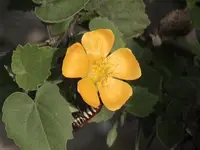
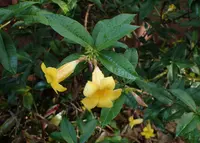
Butter and cheese (Abutilon sonneratianum) is a shrub or small tree from the mallow family, valued for its soft leaves and bell-shaped flowers. It naturally occurs in parts of South and Southeast Asia, often in warm, humid lowland habitats.

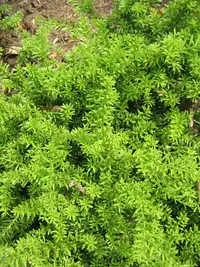
The plant has a loose, branching habit and can become quite bushy under suitable conditions. Its growth is fairly fast when given warmth and consistent moisture.

Abutilon sonneratianum is generally considered moderate in difficulty, as it dislikes cold, prolonged dryness, and poor drainage. Those factors are the main points to understand when learning how to care for Butter and cheese.

Main Plant Requirements

Care Difficulty

Moderate Care

Light Preference

Partial Sun

Water Requirements

Moderate Water

Temperature Preference

Tropical / Frost Sensitive

Hardiness Zone

10–11

Soil Texture

Loamy, Sandy, Organic-rich

Soil pH

Acidic (5.5–6.5), Slightly acidic (6.5–7.0)

Soil Drainage

Moist but well-drained

Fertilization

Light (every 4–6 weeks)

Get Personalized Care Plan

Scan your plant to receive care tips personalized for your specific plant

Available on iOS and Android

How to Care for the Butter and cheese

Abutilon sonneratianum prefers bright, gentle light that avoids harsh midday sun.

  • Provide 4–6 hours of morning sun with light afternoon shade, or bright dappled light under taller plants.
  • The shrub, often called Butter and cheese, tolerates partial shade but flowering will decrease if it receives less than 3–4 hours of direct or filtered sun.
  • In summer, protect from intense afternoon sun to prevent leaf scorch; in winter, ensure maximum light exposure to maintain compact growth.

Abutilon sonneratianum grows best in evenly moist, well-drained soil that never stays soggy.

  • Water when the top 3–5 cm of soil feels dry, applying enough to moisten the root zone, then allow excess to drain away.
  • In hot, dry periods, expect to water more often; in cool or rainy seasons, extend intervals and rely on soil feel rather than a fixed schedule.
  • Wilting with dry soil signals underwatering, while yellowing leaves, soft stems, or a sour soil smell indicate overwatering or poor drainage.

This species prefers warm, frost-free conditions with only mild temperature swings.

  • Aim for 65–80°F (18–27°C) for active growth, with steady warmth promoting better flowering and foliage density.
  • Protect the plant whenever temperatures approach 40°F (4°C); prolonged exposure below 35°F (2°C) can cause leaf drop or dieback, and hard frost may kill stems.
  • It tolerates short heat spells up to about 90°F (32°C) if soil moisture is maintained, but extended extreme heat increases stress and pest susceptibility.

This species prefers moderate humidity and reacts if air stays too dry.

  • Aim for 50–70% humidity for steady growth and reduced leaf drop.
  • It tolerates brief dips to 35–40%, but prolonged dry air causes leaf edge browning and curled, limp foliage.
  • Increase humidity with a nearby tray of wet pebbles, grouping plants, or a room humidifier when caring for Butter and cheese.

This shrub performs best in loose, aerated, well-drained, organically enriched soil.

  • Use a mix of 50–60% peat- or coir-based potting medium with 20–30% compost and 20–30% perlite or coarse sand for Abutilon sonneratianum.
  • Keep structure friable and airy so water drains in seconds, not minutes, yet leaves the root zone lightly moist.
  • Aim for slightly acidic to neutral pH around 6.0–7.0, avoiding strongly alkaline or saline substrates that hinder nutrient uptake.
  • Do not use heavy clay or compacted mixes; incorporate coarse sand or fine bark to improve drainage and root aeration.

This species is suitable for container growing when given stable, well-drained conditions.

  • Choose a container wider than it is tall to balance the shrub’s top growth and reduce tipping in wind-exposed spots.
  • Select thick-walled terracotta or similar porous material if extra moisture loss is needed in rainy or humid climates.
  • Ensure several unobstructed drainage holes so heavy watering flushes salts without leaving a standing water layer at the pot base.

Abutilon sonneratianum responds well to moderate feeding that supports steady leafy growth and flowering without forcing soft, weak shoots.

  • Use a balanced liquid fertilizer (such as 10-10-10) at 1/2 strength every 3–4 weeks during the warm growing season when caring for Butter and cheese.
  • Alternatively, apply a slow-release granular fertilizer at the start of spring, following the product’s lower label rate for ornamentals.
  • Supplement with a thin top-dressing of finished compost in spring to improve soil structure and gentle nutrient supply.
  • In late fall and winter, when growth slows, stop feeding or reduce to very light applications no more than every 8–10 weeks.

Pruning Abutilon sonneratianum helps maintain a compact framework, encourages branching, and supports better flowering.

  • Best time for structural pruning is late winter to early spring before strong new growth starts.
  • Use clean, sharp hand pruners to remove dead, diseased, or crossing branches back to healthy wood.
  • Shorten overly long or leggy stems by up to 1/3 of their length to improve shape and reduce flopping.
  • After flowering flushes, lightly thin crowded interior growth to increase light penetration and air movement.

Container-grown plants and young garden specimens benefit from thoughtful repotting or transplanting to maintain healthy root systems.

  • Plan major repotting or garden transplanting for late winter to early spring, once frost risk has passed and active growth is about to resume.
  • Look for roots circling the pot, pushing through drainage holes, or signs of slow growth and quick drying soil as cues to move up 1 pot size.
  • Gently loosen the outer root layer, trim any dead or blackened roots with clean tools, and replant at the same soil level in fresh, free-draining mix.
  • Water thoroughly after planting, then keep soil evenly moist and the plant shaded from intense sun for 5–7 days to reduce transplant stress.

Abutilon sonneratianum is commonly propagated from semi-ripe stem cuttings, with seeds used less often for home growing.

  • Take 8–12 cm semi-ripe cuttings in late spring or summer from non-flowering shoots, cutting just below a node.
  • Remove lower leaves, dip the base in rooting hormone, and insert into a sterile, free-draining mix such as 50:50 perlite and peat-free compost.
  • Maintain high humidity with a clear cover or propagator lid, bright filtered light, and temperatures around 68–75°F for reliable rooting.
  • For seed, sow fresh seed on the surface of lightly firmed, moist mix, barely cover, and keep warm and evenly moist until germination.

This species is frost-tender and benefits from careful winter management in most temperate climates.

  • In regions below about 30–32°F, grow in containers so plants can be moved indoors or into a frost-free greenhouse for winter.
  • For in-ground specimens in mild climates, apply a 5–8 cm mulch layer over the root zone in late fall, keeping mulch off the stems.
  • Reduce watering in winter, keeping soil just barely moist, and avoid heavy pruning until late winter when the worst cold has passed.

Care Tips

Sturdy branch support

Use discreet bamboo canes or shrub rings to support long, arching stems, tying them loosely with soft garden ties so heavy flower clusters do not snap branches in wind or after rain.

Encourage bushy growth

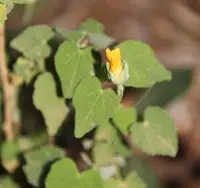
Pinch or lightly tip-prune soft new shoots in late spring and midsummer to encourage branching and produce a denser, more floriferous shrub rather than a few tall, lanky stems.

Seasonal container shift

If grown in a pot, shift the container slightly each month during the growing season so light reaches different sides, which reduces leaning and keeps the plant evenly shaped.

Targeted pest scouting

Inspect the undersides of leaves and soft shoot tips weekly for whiteflies, aphids, and spider mites, and hose off infestations with a firm water spray before resorting to insecticidal soap or horticultural oil.

Overwintering strategy

In regions with cool winters, move container plants to a bright, frost-free spot and reduce watering, treating the plant almost like a semi-dormant shrub, which is a key step in how to take care of Butter and cheese long term.

Common Pests and Diseases

Spider mites

This pest often appears on Abutilon species grown in warm, dry indoor or patio conditions and feeds on sap, causing stippled, pale leaves and fine webbing under foliage. Symptoms include slowed growth, leaf drop, and a dull, dusty look to the plant.

Solution

Rinse foliage thoroughly with a strong but gentle stream of water, including the undersides of leaves, then repeat every few days to break the life cycle. For ongoing Abutilon sonneratianum plant care, increase humidity, reduce heat stress, and use insecticidal soap or a horticultural oil targeted to mites, applied according to label directions and repeated as needed.

Whiteflies

These insects are attracted to the soft, tender foliage of Abutilon and often build up on plants grown in sheltered, warm spots such as verandas and greenhouses. This pest congregates on the undersides of leaves, causing honeydew, sooty mold, and general leaf yellowing or drop.

Solution

Vacuum or tap dislodged adults into soapy water, then wash foliage to remove honeydew. Use yellow sticky traps to monitor and reduce adults, and apply insecticidal soap or neem oil thoroughly to leaf undersides on a 5–7 day schedule until populations drop.

Abutilon mosaic virus

This disease is known on Abutilon species and produces irregular yellow mosaic or mottling patterns on leaves without clear spots or necrosis. Symptoms include distorted growth and reduced vigor, although foliage may remain green between pale patches.

Solution

Remove and discard (do not compost) any severely affected plants or branches to limit spread, and disinfect pruning tools with 70% alcohol between cuts. Control sap‑sucking insects such as whiteflies and aphids that vector the virus, and avoid taking cuttings from symptomatic plants.

Leaf spot

This disease, usually caused by fungi such as Cercospora or Colletotrichum on Abutilon, leads to small brown, tan, or purple spots that can merge, creating larger dead areas. Symptoms include premature leaf drop, especially in dense, shaded canopies with poor air movement.

Solution

Prune to improve airflow, avoid wetting foliage when watering, and promptly remove and dispose of heavily spotted leaves. In persistent, humid conditions, use a labeled ornamental fungicide (such as a chlorothalonil or copper product) applied at the first signs of spotting and repeated as directed on the label.

Scale insects

These insects adhere tightly to stems and leaf veins, appearing as small brown, gray, or white bumps while sucking sap and weakening the plant over time. Symptoms include sticky honeydew, sooty mold on leaves, and gradual yellowing or dieback of affected shoots.

Solution

Gently scrape or wipe scales off with a cotton pad dipped in 70% alcohol, focusing on stems and main veins, and repeat weekly until new crawlers are controlled. For heavier infestations, combine manual removal with applications of horticultural oil, ensuring thorough coverage of stems and leaf undersides while keeping the plant out of direct hot sun during treatment.

Interesting Facts

Endemic to southern India

This species is naturally restricted to the southern Western Ghats of India, where it grows in dry, rocky habitats and open scrub, rather than in typical moist forest understory conditions common to many other Abutilon species.

Distinctive leaf and flower form

It has large, shallowly lobed, rough-textured leaves and pale yellow to cream, bell-shaped flowers with dark venation, features that help distinguish it from more commonly cultivated ornamental Abutilon species.

Conservation concern status

Field botanists and regional floras have highlighted this species as locally rare and threatened by habitat loss in parts of its limited range, so wild populations are monitored and sometimes included in regional conservation assessments.

FAQs about Butter and cheese

Lack of flowering usually comes from insufficient light, low nutrients, or heavy pruning at the wrong time. Ensure bright conditions, feed with a balanced fertilizer in the growing season, and avoid removing new growth tips before buds develop.

Grow Healthy Plants with Botan Care

Keep your plants happy and healthy with plant identification, disease detection, and easy care guidance.

Botan plant care app — identify plants on mobile

Explore More Plants