sillu sillu Care (Alchemilla pinnata)

sillu sillu

About sillu sillu

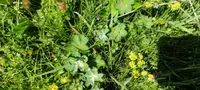
Sillu sillu, Alchemilla pinnata, is a small, clumping perennial herb known for its soft, rounded leaves and delicate clusters of yellow-green flowers. It typically forms low mounds that work well at the front of borders or in naturalistic plantings.

This species is native to Andean regions of South America, where it grows in cool, moist mountain habitats. Its preference for steady moisture and moderate temperatures can make it slightly more demanding than typical garden perennials.

Gardeners who care for sillu sillu usually focus on providing humus-rich, well-drained soil and consistent moisture. It prefers bright, indirect light or gentle sun rather than hot, intense exposure.

Main Plant Requirements

Care Difficulty

Moderate Care

Light Preference

Partial Shade

Water Requirements

Moderate Water

Temperature Preference

Cool Climate

Hardiness Zone

Unknown

Soil Texture

Loamy, Silty, Organic-rich

Soil pH

Acidic (5.5–6.5), Slightly acidic (6.5–7.0)

Soil Drainage

Moist but well-drained

Fertilization

Minimal (feed rarely)

Get Personalized Care Plan

Scan your plant to receive care tips personalized for your specific plant

Available on iOS and Android

How to Care for the sillu sillu

This alpine perennial prefers cool, bright conditions with limited harsh sun exposure.

  • Provide 3–5 hours of morning sun with light shade or dappled light in the afternoon to protect the delicate foliage of sillu sillu.
  • Grow in a spot with partial shade, especially in hotter regions, as strong midday sun can cause leaf scorch and pale, stressed growth.
  • In cooler climates, choose an east or northeast exposure; in warm summers, increase shade during June–August to reduce heat and moisture stress.

This plant prefers evenly moist, free-draining soil rather than constant wetness or drought.

  • Water when the top 2–3 cm of soil feels dry, aiming for consistently moist but not waterlogged conditions in the root zone.
  • Use soil with good drainage and, in heavy clay, amend with grit or compost to reduce standing water and lower the risk of root rot in Alchemilla pinnata.
  • In cool, wet seasons, reduce supplemental watering and watch for yellowing, mushy leaves; in hot, dry spells, increase frequency if foliage wilts and soil dries quickly.

This species is a cool-temperate perennial that tolerates cold better than prolonged heat.

  • Optimal growth occurs around 55–70°F (13–21°C), with steady, moderate temperatures supporting compact, healthy foliage.
  • Mature plants tolerate down to about 10–15°F (-12 to -9°C) with mulch, but young plants benefit from protection during hard freezes.
  • In hot regions, growth may slow above 80–85°F (27–29°C); provide afternoon shade and reliable soil moisture to limit heat stress during peak summer.

This species prefers moderately moist air but usually adapts well to typical home humidity.

  • Aim for 40–60% humidity to reduce leaf-edge browning and keep foliage lush on sillu sillu.
  • It tolerates brief drier indoor air, but very low humidity plus heat can cause curling or crisping leaves.
  • Increase humidity with a nearby tray of water and pebbles or grouping plants; avoid misting that keeps foliage wet for long periods.

This plant grows best in loose, moisture-retentive but well-drained soil.

  • Use a loamy mix with 40–60% organic matter such as compost or leaf mold for steady moisture and nutrients.
  • Ensure free drainage by blending in coarse sand or fine grit at 20–30% of the volume, especially in heavier garden soils.
  • Keep pH slightly acidic to neutral, around 6.0–7.0, which supports nutrient availability for Alchemilla pinnata.
  • Avoid compacted clay, standing water, or peat-only mixes, which reduce aeration and can promote root rot.

This species is suitable for container growing outdoors on patios, balconies, or small gardens.

  • Choose a wide, shallow to medium-depth pot to accommodate its spreading root system and foliage mound without crowding.
  • Select heavier materials like ceramic or clay to stabilize the plant against wind and to prevent tipping as the clump expands.
  • Elevate the container slightly on pot feet or bricks so drainage holes remain clear and water does not pool under the base.

Alchemilla pinnata is a modest feeder that benefits from light nutrition during the active growing season.

  • Use a balanced, diluted liquid fertilizer (around 10-10-10 at 1/2 strength) every 4–6 weeks in spring and summer when growing sillu sillu.
  • Alternatively, top-dress with a thin layer of compost once in spring to support foliage and root health.
  • Avoid high-nitrogen products that push soft, weak growth and reduce natural compact form.
  • Stop feeding in fall and winter to allow normal dormancy and prevent nutrient buildup in the soil.

Alchemilla pinnata responds well to light, periodic pruning that keeps the plant compact and flowering well.

  • Best time for structural pruning is late winter or early spring before strong new growth starts.
  • Use clean, sharp scissors or hand pruners to remove dead, damaged, or diseased stems at the base.
  • Thin crowded or sprawling shoots to improve air flow and maintain a low, mounded shape.
  • After main flowering, shear back spent flower stems to tidy the plant and encourage fresh foliage.

This species is more often grown in beds or rock gardens than in containers, so focus on careful transplanting.

  • Transplant in early spring or early fall, when temperatures are mild and soil moisture is steady.
  • Look for signs such as roots circling the pot, slow growth, or dry-out too fast to decide on moving a container plant.
  • Lift the clump with a wide soil ball, handle roots gently, and replant at the same depth in free-draining soil.
  • Water thoroughly after transplanting, then keep soil slightly moist for 1–2 weeks to reduce root stress and support re-establishment.

New plants are most commonly raised by division, with seed propagation also possible for Alchemilla pinnata.

  • Divide mature clumps in early spring or early fall, when temperatures are cooler and soil is moist.
  • Lift the plant, split the root mass into sections with several buds each, and replant immediately at the same depth.
  • For seed, sow fresh seed on the surface of moist, well-draining mix and keep cool and bright, not in direct sun.
  • Maintain lightly moist conditions and good air flow to limit rot while roots or seedlings develop.

This hardy perennial generally overwinters well in temperate climates with minimal intervention.

  • Tolerates typical light to moderate frosts once established in well-drained soil.
  • After top growth dies back, leave some stems until late winter to mark the plant’s position and shelter the crown.
  • Apply a light mulch layer around the root zone in late fall, avoiding direct contact with the crown.
  • Move container-grown plants to a sheltered, unheated spot to reduce freeze–thaw stress on roots.

Care Tips

Mulch For Moisture

Apply a thin 2–3 cm layer of fine compost or leaf mold around the crown in spring to keep roots cool, reduce evaporation, and limit weed competition without burying the growing points.

Flower Stalk Management

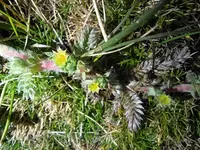
Cut back spent flower stalks promptly to prevent unwanted self-seeding and to redirect energy into denser foliage and a possible light rebloom.

Divide To Rejuvenate

Every 3–4 years, lift and divide crowded clumps in early spring, replanting only the youngest, most vigorous sections to maintain compact growth and strong flowering.

Edge Protection Strategy

When planting along paths or borders, set clumps 10–15 cm back from the hard edge to protect foliage from foot traffic and splash damage from heavy rain or irrigation.

Spring Nutrient Top-Up

In early spring, scratch a small amount of balanced, slow‑release granular fertilizer into the top 2–3 cm of soil around, but not touching, the crowns to support steady growth when growing sillu sillu.

Common Pests and Diseases

Powdery mildew

This disease causes a white, powdery coating on leaves, especially in warm, dry conditions with poor air movement. Symptoms include leaf distortion and gradual yellowing or browning.

Solution

Remove and discard heavily infected leaves and avoid overhead watering. Improve spacing and airflow, water at the base in the morning, and if needed apply a sulfur or potassium bicarbonate fungicide labeled for ornamentals according to label directions.

Leaf spot

This disease produces small brown to purple spots on leaves that may merge into larger lesions and cause early leaf drop. Symptoms include a generally patchy, tattered look to older foliage in humid or wet weather.

Solution

Trim off and dispose of affected leaves and any fallen debris around the plant to reduce inoculum, which is the source of new infection. Water early in the day at soil level, increase airflow, and if spots continue to spread, use a copper- or chlorothalonil-based fungicide as directed on the product label.

Aphids

These insects cluster on young stems and leaf undersides, sucking sap and causing curling or distorted growth. This pest also excretes sticky honeydew that can lead to sooty mold on leaves.

Solution

Spray plants with a firm stream of water to dislodge colonies, repeating every few days as needed. For persistent infestations, apply insecticidal soap or a neem oil product to all leaf surfaces, focusing on undersides, and monitor regularly for returning populations.

Slugs and snails

These pests feed on tender leaves, leaving irregular holes and shredded edges, often with shiny slime trails on or around the plant. Damage is usually worse in damp, shaded conditions.

Solution

Hand-pick slugs and snails in the evening or early morning and remove hiding spots such as dense mulch or debris. Use iron phosphate slug baits placed around but not touching the crowns, and maintain slightly drier surface conditions to reduce activity.

Interesting Facts

Restricted Andean range

This species is native to high-elevation habitats in the central Andes, where it grows in cool, moist environments such as puna grasslands and rocky slopes rather than lowland sites.

Distinctive pinnate leaves

Unlike most lady’s mantle species with lobed, fan-like leaves, this plant has finely divided, truly pinnate leaf segments, which is the key morphological feature that gave rise to its species name pinnata.

Moisture-collecting foliage

Its finely divided leaves and dense surface hairs can trap dew and fog droplets, a trait that likely helps the plant access additional moisture in exposed, high-altitude conditions.

Botan icon

Did you know?

Alchemilla pinnata is considered a narrowly distributed Andean taxon and is sometimes highlighted in regional floras as an example of how the genus Alchemilla has radiated into specialized high-mountain niches in South America, in contrast to the predominantly Eurasian distribution of many other lady’s mantle species.

FAQs about sillu sillu

This species spreads slowly by short rhizomes and self-seeding, but it is not typically aggressive. Light weeding and deadheading spent flowers usually keep it in bounds, even in small mixed borders or rock gardens.

Grow Healthy Plants with Botan Care

Keep your plants happy and healthy with plant identification, disease detection, and easy care guidance.

Botan plant care app — identify plants on mobile

Explore More Plants