Undulate Alkanet Care (Anchusa undulata)

Undulate Alkanet

About Undulate Alkanet

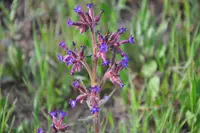
Anchusa undulata, commonly called undulate alkanet, is a short-lived perennial or biennial from the borage family. It forms loose clumps of wavy-edged, bristly leaves. In spring to early summer it produces airy stems topped with small, bright blue, star-like flowers that attract bees and other pollinators. Plants often reseed, creating an informal, naturalized look over time. This species is native to Mediterranean regions, where it grows in open, sunny, often dry habitats. Anchusa undulata is generally easy to grow in well-drained soil with good light, but dislikes heavy, waterlogged conditions. Gardeners who learn how to care for Undulate Alkanet usually find it reliable in sunny borders and wildflower-style plantings.

Main Plant Requirements

Care Difficulty

Moderate Care

Light Preference

Full Sun

Water Requirements

Moderate Water

Temperature Preference

Warm Climate

Hardiness Zone

8–10

Soil Texture

Sandy, Loamy, Rocky

Soil pH

Slightly acidic (6.5–7.0), Slightly alkaline (7.0–7.5)

Soil Drainage

Well-drained

Fertilization

Minimal (feed rarely)

Get Personalized Care Plan

Scan your plant to receive care tips personalized for your specific plant

Available on iOS and Android

How to Care for the Undulate Alkanet

This sun-loving perennial thrives in open, bright positions where it can build strong, compact growth.

  • Provide full sun for 6–8 hours daily; morning and midday sun are ideal, with light afternoon shade in very hot regions.
  • Undulate Alkanet tolerates light partial shade, but flowering and branching decrease noticeably below about 4–5 hours of direct sun.
  • In summer, monitor for leaf scorch or wilting in reflected or intense afternoon sun; in winter, choose the brightest, least-shaded spot available.

This drought-tolerant species prefers infrequent, deep watering over constant surface moisture.

  • Outdoors in well-drained soil, water only when the top 3–5 cm feels dry, allowing soil to dry between soakings to reduce root disease risk.
  • During cool or rainy seasons, reduce watering frequency significantly; in hot, dry spells, increase depth of watering rather than how often it is done.
  • For Anchusa undulata, early signs of underwatering include dull, slightly drooping leaves; soft, yellowing, or blackened stems usually indicate chronic overwatering.

This Mediterranean-type perennial prefers mild conditions and struggles in prolonged freezing or extreme heat.

  • Optimal growth occurs around 60–75°F (16–24°C), with best flowering in sites that avoid trapped, stagnant heat.
  • Plants tolerate brief dips to about 25°F (-4°C), but repeated hard frost can damage crowns; apply mulch in cold climates to buffer roots.
  • Anchusa undulata handles dry summer heat up to about 85–90°F (29–32°C) if soil drains freely, but extended hotter periods increase wilting and shorten flowering.

This species grows well in typical outdoor humidity and does not need special humidity management.

Anchusa undulata prefers sharply drained, light soil that avoids staying wet after rain or watering.

  • Use a sandy or sandy-loam mix with 20–30% coarse sand or grit to keep the root zone airy.
  • Aim for slightly alkaline to neutral pH, around 7.0–8.0, avoiding very acidic substrates.
  • Incorporate a modest amount of compost or well-rotted manure, but keep organic matter low enough to prevent waterlogging.
  • Avoid heavy clay, compacted ground, or peat-heavy mixes that stay wet and reduce oxygen around the roots.

This species can be grown in containers if the pot and substrate emphasize fast drainage and root aeration.

  • Choose a deep, relatively narrow pot to accommodate the taproot and limit excess wet surface soil.
  • Select a mineral-rich, gritty mix and keep the container slightly raised so drainage holes never sit in collected water.
  • Use a heavier clay or ceramic pot in windy sites to reduce tipping from tall, flower-laden stems.

Anchusa undulata responds well to moderate feeding during active growth for stronger flowering.

  • Apply a balanced liquid fertilizer (for example 10-10-10) at half strength every 4–6 weeks in spring and early summer.
  • In richer soils, use light compost around the root zone instead of frequent liquid feeding.
  • Avoid feeding in late fall and winter when growth slows or stops.
  • Water before and after fertilizing to reduce root burn risk.

Pruning Anchusa undulata keeps plants tidy and can extend the flowering period.

  • Deadhead spent flower spikes in late spring and summer to encourage new blooms.
  • Remove dead, damaged, or crowded stems with clean, sharp hand pruners.
  • Lightly shear back the plant after the main flush of flowers to promote compact regrowth.
  • Cut back old foliage at the end of the season to reduce disease carryover.

Anchusa undulata is usually grown in the ground, so care focuses more on transplanting than frequent repotting.

  • Transplant in early spring or early fall when temperatures are mild and soil is workable.
  • Move plants if growth stalls, plants outgrow their space, or roots circle inside a container.
  • Lift with a generous soil clump, disturbing roots as little as possible to limit shock.
  • Replant at the same depth in well-drained soil, then water thoroughly and shade lightly for a few days.

Anchusa undulata is commonly propagated from seed, with division useful for established clumps.

  • Sow fresh seeds in late winter to early spring in trays with free-draining seed mix.
  • Provide bright light, consistent moisture, and cool to mild temperatures (55–65°F) for germination.
  • Transplant seedlings once they have several true leaves, handling roots gently.
  • Divide mature clumps in early spring, replanting divisions promptly and watering well.

In many temperate climates Anchusa undulata is reasonably cold hardy and needs only light winter care.

  • In USDA zones around 6–8, plants usually survive normal winters with minimal attention.
  • Apply a 5–8 cm mulch layer after the ground cools to insulate the root zone.
  • Cut back dead top growth after hard frosts, leaving basal buds undisturbed.
  • In containers, move pots to a sheltered, unheated but frost-sheltered spot.

Care Tips

Provide sturdy support

Install low, discreet stakes or a grow-through ring early in the season so the stems can grow up through it and are less likely to flop or snap in wind and rain.

Encourage repeat flowering

As soon as the first flush of flowers fades, shear back spent stems by about one-third and lightly tidy the clump to promote a second, lighter bloom and a more compact shape.

Manage self-seeding

Deadhead before seeds ripen if you want to limit spread, or leave some seed heads on only the strongest plants and lightly disturb the soil surface underneath to help seedlings establish where you actually want them.

Protect from root rot

In regions with wet winters, plant on a slight mound or in raised beds and mix coarse grit into the planting hole so the crown and roots do not sit in waterlogged soil for extended periods.

Plan for short lifespan

Treat plants as short-lived perennials by collecting seed from the best individuals and sowing a new batch every 2–3 years to maintain vigorous clumps when growing Undulate Alkanet.

Common Pests and Diseases

Powdery mildew

This disease causes white, dusty patches on leaves, especially in crowded or humid conditions, and can lead to yellowing and reduced vigor.

Solution

Remove heavily affected leaves, thin surrounding vegetation to improve airflow, avoid wetting the foliage, and apply a sulfur or potassium bicarbonate fungicide labeled for ornamentals at the first sign of infection.

Leaf spot

This disease produces brown to purplish spots with pale centers on leaves, which may eventually yellow and drop prematurely.

Solution

Cut off and discard affected leaves, water at soil level to keep foliage dry, space plants to reduce humidity around them, and use a copper-based fungicide if spotting continues to spread despite cultural corrections.

Aphids

These insects cluster on young stems and flower spikes, sucking sap and causing distorted growth and sticky honeydew that can lead to sooty mold.

Solution

Spray infested shoots with a strong stream of water to dislodge colonies, encourage natural predators like lady beetles, and if needed use insecticidal soap or a light horticultural oil, making sure to cover undersides of leaves and stems thoroughly.

Leaf-mining larvae

This pest creates pale, winding tunnels within Anchusa leaves, which can reduce photosynthesis and cause cosmetic damage.

Solution

Remove and dispose of mined leaves as soon as they are seen, avoid overhead irrigation that favors adult activity, and consider using a systemic insecticide labeled for leaf miners only if damage is extensive and cultural control is insufficient.

Rust

This disease produces small orange to brown pustules on leaf undersides and corresponding yellow spots on the upper surface, weakening plants over time.

Solution

Promptly remove and discard infected foliage, keep overhead watering to a minimum, provide good spacing for air movement, and apply a rust-specific fungicide according to label directions if new pustules continue to appear.

Interesting Facts

Mediterranean winter annual

This species naturally behaves as a winter annual in its native Mediterranean range, germinating with autumn rains, growing through mild winters, and flowering in late spring before summer drought sets in.

Distinctive wavy foliage

The species name undulata refers to its noticeably wavy leaf margins, which, together with the rough bristly surface, help reduce herbivory and limit water loss in dry, windy habitats.

Coiled flower clusters

Like many Boraginaceae members, it produces inflorescences in a scorpoid cyme, where the young flower buds are tightly coiled and gradually unroll as they open, creating a distinctive curled floral display.

FAQs about Undulate Alkanet

This species is highly attractive to bees and other pollinating insects due to its nectar-rich blue flowers. Planting several together can improve pollination in nearby crops and ornamentals, supporting a more biodiverse garden ecosystem.

Grow Healthy Plants with Botan Care

Keep your plants happy and healthy with plant identification, disease detection, and easy care guidance.

Botan plant care app — identify plants on mobile

Explore More Plants