zigzag spiderwort Care (Tradescantia subaspera)

Also known as: wide-leaved spiderwort
zigzag spiderwort

About zigzag spiderwort

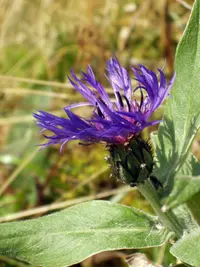
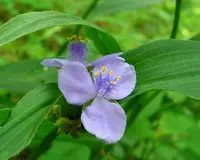
Zigzag spiderwort, Tradescantia subaspera, is a perennial woodland plant native to eastern North America. It naturally grows in partial shade along forest edges and moist slopes. The plant forms clumps of arching, jointed stems with broad, slightly rough leaves and violet to blue flowers that open for a single day but appear over many weeks. Its relaxed, slightly wild habit suits informal beds and naturalistic plantings. This species is generally considered easy to grow, as long as it receives consistent moisture and well-drained soil rich in organic matter. Understanding how to care for zigzag spiderwort becomes simpler once its woodland origin and shade tolerance are kept in mind.

Main Plant Requirements

Care Difficulty

Easy Care

Light Preference

Partial Shade

Water Requirements

Moderate Water

Temperature Preference

Warm Climate

Hardiness Zone

5–9

Soil Texture

Loamy, Silty, Organic-rich

Soil pH

Acidic (5.5–6.5), Slightly acidic (6.5–7.0)

Soil Drainage

Moist but well-drained

Fertilization

Minimal (feed rarely)

Get Personalized Care Plan

Scan your plant to receive care tips personalized for your specific plant

Available on iOS and Android

How to Care for the zigzag spiderwort

This woodland perennial grows best with bright, indirect light and gentle sun exposure.

  • Aim for dappled light or morning sun with 2–4 hours of direct exposure, then shade for the rest of the day, which mimics its native understory habitat.
  • Tolerates partial to full shade but flowering and foliage density of zigzag spiderwort decline if light drops below roughly 2 hours of filtered sun daily.
  • Avoid strong midday and late-afternoon sun, which can scorch leaves; increase shade in summer and allow more morning light in spring and fall.

This species prefers evenly moist, well-drained soil rather than constant saturation.

  • Water when the top 3–5 cm of soil feels dry, using enough water to moisten the root zone while allowing excess to drain away freely.
  • In spring and summer, expect to water more often during warm, dry periods; reduce frequency in cool, rainy weather or during dormancy when growth slows.
  • Watch for yellowing, limp foliage and sour-smelling soil as signs of overwatering, while crisp, drooping leaves and dry, shrinking soil indicate underwatering in Tradescantia subaspera.

This hardy perennial prefers moderate temperatures but tolerates a range of outdoor conditions.

  • Optimal growth occurs around 65–80°F (18–27°C), with strongest vegetative growth in mild spring and early summer conditions.
  • The plant tolerates brief dips to about 25°F (−4°C) once established, but hard frost can damage new shoots, which usually resprout from the crown in spring.
  • In hot spells above 90°F (32°C), provide extra shade and soil moisture, since prolonged heat stress can slow growth and cause leaf edges to brown.

This species prefers moderate humidity but usually adapts to typical indoor levels.

  • Aim for 40–60% humidity to keep foliage of zigzag spiderwort evenly hydrated and less prone to tip browning.
  • In very dry air, watch for crispy leaf edges, curling, and slowed growth as signs of humidity stress.
  • To raise humidity, group plants, place pots on pebble trays with water below the base, or use a small humidifier nearby.

This plant grows best in loose, moist but well-drained soil with high organic content.

  • Use a mix of roughly 2 parts peat- or coco-based potting mix, 1 part compost, and 1 part perlite or fine bark for structure and drainage.
  • Aim for slightly acidic to neutral pH, around 6.0–7.0, which supports nutrient availability for Tradescantia subaspera roots.
  • Ensure the mix is airy enough that water runs through in seconds but leaves the root zone lightly moist, not waterlogged.
  • Avoid heavy clay, compacted mixes, or pure garden soil, which restrict aeration and increase the risk of root rot.

This species is well suited to container growing for both indoor and outdoor use.

  • Choose a wide, shallow pot to accommodate its spreading habit and prevent the stems from spilling over and pulling the container off balance.
  • Select a container material that matches your climate, using heavier ceramic outdoors to stabilize trailing growth against wind.
  • Elevate the pot slightly on feet or pot risers so drainage holes stay clear and excess water escapes quickly after watering.

Tradescantia subaspera grows well in average garden soil but responds to modest feeding during the active season.

  • Use a balanced, water-soluble fertilizer (for example 10-10-10) at 1/2 strength for caring for zigzag spiderwort in containers or poor soil.
  • Feed every 4–6 weeks during spring–summer if growth or foliage color seems weak.
  • Skip synthetic fertilizer in rich beds and instead top-dress with a thin layer of compost in spring.
  • Stop feeding in fall–winter to avoid weak, tender growth during dormancy.

Pruning helps Tradescantia subaspera stay compact, leafy, and flowering well.

  • Lightly trim stems in early spring to remove winter-killed tips and shape the clump.
  • Cut back dead, damaged, or crowded shoots at the base to improve air flow and reduce disease risk.
  • Shear or pinch back after flowering flushes to encourage denser growth and more shoots.
  • Use clean, sharp scissors or hand pruners to make angled cuts just above a leaf node.

This species is more often grown in the ground, but container plants or crowded clumps benefit from occasional transplanting.

  • Look for roots circling the pot, reduced vigor, or frequent wilting as signs it needs a larger container or division.
  • Transplant or divide in early spring or early fall, when temperatures are mild and the plant is not stressed by heat.
  • For pots, move to a container 2–5 cm wider, using a well-drained, humus-rich mix and firming soil gently around roots.
  • Water thoroughly after transplanting, then keep soil evenly moist and shaded for 3–5 days to reduce root stress.

New plants of this woodland Tradescantia are most commonly produced by division or stem cuttings.

  • Divide mature clumps in early spring, lifting and gently separating rooted sections with several shoots each.
  • Replant divisions at the same depth in moist, loose soil, then water well to settle soil around roots.
  • Take 7–10 cm soft stem cuttings in late spring–summer, removing lower leaves and inserting nodes into moist, sterile mix.
  • Keep cuttings in bright, indirect light at 65–75°F and consistently moist until new growth shows firm rooting.

This perennial is generally cold hardy in much of its native range and needs limited winter care in the ground.

  • In zones with freezing winters, foliage dies back while roots survive down to about 0–-10°F depending on snow cover.
  • After frost blackens foliage, cut stems to ground level to reduce disease carryover into spring.
  • Apply a 5–8 cm layer of leaf mold or shredded bark over the root zone in late fall, keeping mulch off crowns.
  • For container plants in colder climates, move pots into a sheltered, frost-free but cool area until spring.

Care Tips

Staggered stem pinching

Pinch back only a few stem tips every 2–3 weeks rather than all at once to keep the plant compact and encourage continuous production of fresh, leafy growth without shocking it.

Selective cane thinning

Once a year, remove a small number of the oldest, bare canes down to the base to open the clump to light and air, which reduces fungal issues and stimulates new shoots from the crown.

Leaf litter mulching

Apply a very thin, loose layer of shredded leaves around the base in outdoor plantings to conserve soil moisture and mimic the dappled woodland floor conditions this species naturally prefers.

Shaded container placement

For plants in pots, position the container behind or beneath taller shade plants so the foliage receives bright, indirect light while the root zone stays cooler and more stable in summer.

Routine pest scouting

Check the undersides of leaves and along stem nodes every 1–2 weeks, especially in warm indoor conditions, so any early spider mite or aphid activity is caught and treated before it spreads when growing zigzag spiderwort.

Common Pests and Diseases

Spider mites

This pest feeds on leaf sap and often appears during hot, dry periods, causing fine yellow stippling and dull, faded foliage. Symptoms include thin webbing on leaf undersides and between stems.

Solution

Rinse foliage thoroughly with a strong but gentle stream of water, targeting the undersides of leaves, and repeat every few days until activity drops. For heavier infestations, apply an insecticidal soap or horticultural oil labeled for mites, and increase ambient humidity around plants while maintaining good airflow to discourage reinfestation.

Leaf spot fungi

This disease causes small brown to purplish spots on leaves that may enlarge and merge, especially after extended wet or humid weather. Symptoms include premature yellowing and dropping of the most affected foliage.

Solution

Remove and discard spotted leaves promptly and avoid overhead watering that keeps foliage wet for long periods. Improve spacing and airflow, water at soil level in the morning, and if the problem persists year to year, use a preventative fungicide labeled for ornamental leaf spots early in the season according to label directions.

Aphids

These insects cluster on tender stems and flower stalks, sucking sap and distorting new growth. This pest also excretes sticky honeydew that can attract ants and allow sooty mold to develop on leaves.

Solution

Pinch or wash off colonies with a firm stream of water, repeating as needed until numbers decline. For ongoing issues, apply insecticidal soap or a light horticultural oil, ensuring full coverage of stems and leaf undersides, and reduce nearby nitrogen-heavy fertilization that encourages soft, aphid-prone growth.

Slugs and snails

These pests chew irregular holes in leaves and can heavily damage low, spreading stems in moist, shaded beds. Symptoms include slime trails on or near the plant and feeding damage that appears overnight.

Solution

Hand-pick slugs and snails in the evening or early morning and remove nearby hiding places such as dense debris or boards. Use iron phosphate or other low-toxicity slug baits according to label directions and keep mulch layers thin to reduce consistently damp conditions around the base of plants.

Interesting Facts

Shade woodland specialist

This species is naturally adapted to rich, moist, deciduous woodlands of the eastern and central United States, where it thrives in deep to partial shade on forest floors rather than in open sunny habitats.

Distinctively rough foliage

Unlike many smoother-leaved spiderworts, its leaves and stems have a noticeably rough, sandpapery texture caused by stiff, short hairs, which helps distinguish it from related Tradescantia species in the field.

Late-spring bloom timing

It typically flowers from late spring into early summer, producing 3-petaled purple to blue-violet blooms that open in the morning and often fade by midday, a pattern linked to temperature and light sensitivity in the flower tissues.

Botan icon

Did you know?

Genetic and morphological studies place this species in a small woodland-adapted group within the genus Tradescantia, and it has been used in regional floras and identification keys as a representative example for understanding evolutionary shifts from open-prairie to forest-understory spiderworts.

FAQs about zigzag spiderwort

This species forms clumps and spreads gradually by short rhizomes and self-seeding. It can slowly colonize a shady bed but is not typically considered invasive. Periodic division and removing unwanted seedlings keep it within bounds.

Grow Healthy Plants with Botan Care

Keep your plants happy and healthy with plant identification, disease detection, and easy care guidance.

Botan plant care app — identify plants on mobile

Explore More Plants