Encourage Dense Mats
Lightly pinch back or shear the longest runners once a year to encourage the plant to branch and form a tighter, weed-suppressing carpet rather than a few long, open strands.

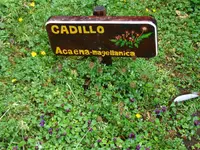
Greater burnet, Acaena magellanica, is a low, spreading perennial often used as a groundcover in cool, temperate gardens. It forms dense mats of fine, fern-like foliage that stay attractive for much of the year.
The plant is best known for its small, rounded flower heads that mature into bristly, burr-like seed clusters. These give the plant a distinctive texture and can cling to fur or clothing.
Acaena magellanica is native to southern South America and subantarctic islands, where it grows in open, often windswept habitats. In gardens it prefers well-drained soil with moderate moisture and benefits from sun to light shade.
Its tolerance of wind and cool temperatures makes it relatively easy to establish, but its spreading habit means gardeners should understand how to care for Greater Burnet to keep it within bounds.

Care Difficulty
Moderate Care

Light Preference
Full Sun

Water Requirements
Moderate Water

Temperature Preference
Cold Hardy

Hardiness Zone
6–9

Soil Texture
Sandy, Loamy, Rocky

Soil pH
Acidic (5.5–6.5), Slightly acidic (6.5–7.0)

Soil Drainage
Well-drained

Fertilization
Minimal (feed rarely)
Scan your plant to receive care tips personalized for your specific plant
Available on iOS and Android
This alpine groundcover prefers cool, bright conditions with protection from harsh midday sun.
This plant prefers evenly moist, well-drained soil that never stays waterlogged for long.
This cool-climate species thrives in mild temperatures and tolerates substantial cold.
This species tolerates a wide humidity range and usually does not need special humidity management.
Acaena magellanica prefers lean, well-drained soil that mimics open, rocky habitats.
This species can be grown in containers as a groundcover or trailing accent.
This alpine groundcover needs only light feeding, as it is adapted to lean, well-drained soils.
Acaena magellanica benefits from light, periodic pruning to keep the mat dense and tidy.
This species is most often grown as an outdoor groundcover, so focus on careful transplanting rather than frequent repotting.
This plant is commonly propagated to expand groundcover carpets or fill gaps in a planting.
This groundcover is generally cold hardy in temperate climates and needs only modest winter attention outdoors.

Plant Health Check
Not sure what's wrong with your plant? Check your plant's health inside the app.
This species often forms low, dense cushions or mats in subantarctic tundra-like habitats, helping it resist strong winds and cold, wet conditions near the southern tip of South America and surrounding islands.
Its foliage consists of finely divided, pinnate leaves with many small leaflets, giving a fernlike appearance that distinguishes it from more coarsely leaved Acaena species.
The plant is naturally adapted to cool, oceanic climates with high rainfall and mild summers, and is native to regions such as Tierra del Fuego and the Falkland Islands where few other small groundcovers tolerate such exposure.

Unlike many other Acaena species that produce conspicuous burrs with hooked spines, this species has comparatively modest, less aggressively barbed fruits, so it is much less of a nuisance for animal fur and human clothing in its native range.
This species forms low, creeping mats through surface stolons and can spread steadily in open soil. It is usually manageable in gardens. Edging, gravel paths, or containers help confine its spread if space is limited.
Keep your plants happy and healthy with plant identification, disease detection, and easy care guidance.