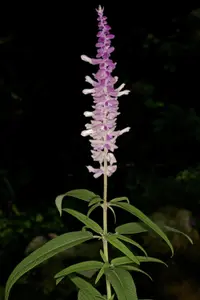
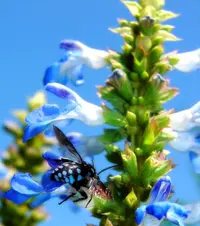
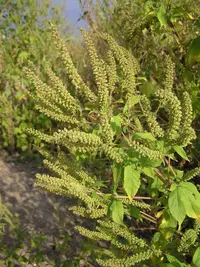
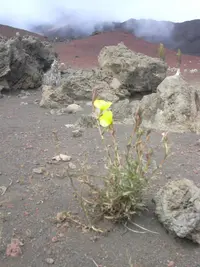
desert Indianwheat Care (Plantago ovata)

Also known as: blond plantain, ispaghu, Desert Plantain
desert Indianwheat

About desert Indianwheat

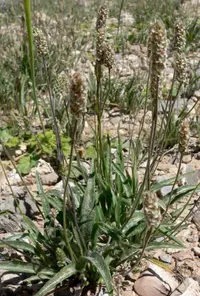
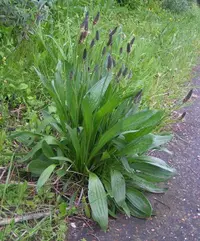
Desert Indianwheat (Plantago ovata) is a small annual herb best known for its seed husks, commonly used as psyllium fiber. It forms low rosettes of narrow, grass-like leaves and sends up short flowering spikes with tiny pale flowers.

This species is native to arid and semi-arid regions, especially in parts of South Asia and the Mediterranean, where it grows in open, sunny habitats. It has a relatively shallow root system and prefers light, well-drained soils.

In cultivation, it is considered moderately easy, as long as excess moisture around the roots is avoided. Understanding how to care for desert Indianwheat starts with providing bright light, low to moderate moisture, and sandy or loamy soil with good drainage.

Main Plant Requirements

Care Difficulty

Easy Care

Light Preference

Full Sun

Water Requirements

Low Water

Temperature Preference

Warm Climate

Hardiness Zone

8–11

Soil Texture

Sandy, Loamy

Soil pH

Slightly acidic (6.5–7.0), Slightly alkaline (7.0–7.5)

Soil Drainage

Well-drained

Fertilization

Minimal (feed rarely)

Get Personalized Care Plan

Scan your plant to receive care tips personalized for your specific plant

Available on iOS and Android

How to Care for the desert Indianwheat

Plantago ovata prefers bright, open conditions similar to its native semi-arid habitats.

  • Provide 6–8 hours of direct sun daily; full sun is ideal in cool to mild climates, while light afternoon shade helps in very hot regions.
  • The plant tolerates light partial shade, but flowering and seed production decline if it receives less than 4–5 hours of direct sun.
  • In hot summers, especially for desert Indianwheat, prioritize morning sun with filtered or light shade after 2–3 p.m. to reduce leaf scorch risk.

Plantago ovata prefers evenly moist but never saturated soil, especially during early growth.

  • Allow the top 2–3 cm of soil to dry before watering; use this touch test rather than a fixed schedule to match local conditions.
  • Increase watering slightly during germination and early vegetative growth, then reduce once plants are established and roots reach deeper moisture.
  • Watch for wilting, dull or folding leaves, and very dry soil as underwatering signs; yellowing, soft stems, and a sour smell indicate poor drainage or overwatering.

This species grows best in mild, dry conditions without extreme cold or prolonged high heat.

  • Aim for 60–75°F (16–24°C) during active growth; germination and early development are most reliable in this range.
  • Plantago ovata tolerates brief dips to about 32°F (0°C) but is damaged by hard frost; protect or delay sowing if repeated freezes are expected.
  • The plant manages dry heat up to about 90–95°F (32–35°C) if soil moisture is moderate, but extended hotter periods can stunt growth and shorten its productive season.

This species is adapted to dry climates and generally does not require special humidity management.

Plantago ovata thrives in light, fast-draining mineral soils that mimic arid, sandy habitats.

  • Use a sandy or sandy-loam mix with 60–70% coarse sand plus 30–40% compost or fine bark for slight nutrient retention.
  • Ensure very sharp drainage; amend heavy or clay soil with coarse sand and perlite to prevent waterlogging around the roots.
  • Keep soil pH slightly alkaline to neutral (pH 7.0–8.0); avoid strongly acidic substrates that can reduce vigor and seed production.
  • Do not use dense peat-heavy mixes that stay wet; aim for a loose, crumbly structure that dries within 1–2 days after watering.

This species can be grown in containers if the pot is shallow, well-drained, and not water-retentive.

  • Choose a wide, shallow container at least 15–20 cm across to support its fibrous root system and spreading habit.
  • Select unglazed terracotta rather than plastic if outdoor conditions are cool or humid, so excess moisture can evaporate through the pot walls.
  • Raise the pot on feet or bricks so drainage holes stay clear and runoff leaves the container area quickly after watering.

Plantago ovata grows in low-nutrient soils and usually needs only light feeding, especially when cultivated for seed husks like desert Indianwheat.

  • Use a balanced, diluted liquid fertilizer (around 10-10-10 at 1/4–1/2 strength) every 4–6 weeks during active spring–summer growth if soil is poor.
  • Alternatively, work a thin layer of well-rotted compost into the topsoil at planting to support steady growth.
  • Avoid high-nitrogen formulas that push soft leafy growth at the expense of seed production.
  • Stop feeding in late summer–fall; do not fertilize during winter or any dormant period.

Plantago ovata needs only light pruning to keep plants tidy and productive.

  • Best timing is late winter to early spring before strong new growth, or immediately after flowering and seed harvest.
  • Use clean scissors or hand shears to remove dead, diseased, or storm-damaged leaves and spent flower stalks.
  • Thin crowded plants by cutting weak or crossing stems at the base to improve airflow and reduce fungal issues.
  • Pruning mainly maintains shape, encourages fresh foliage, and supports cleaner seed production rather than increasing size.

Plantago ovata is usually grown as an annual in open ground, so focus on gentle transplanting rather than frequent repotting.

  • Sow in final positions when possible; if started in plugs or small pots, transplant when seedlings have 2–3 true leaves and roots just fill the plug.
  • Choose a sunny, well-drained site; transplant in spring once frost risk passes to avoid shock.
  • If grown in containers, move to a slightly larger pot only when roots circle the container or growth slows noticeably.
  • Water well before and after moving plants, handle root balls carefully, and keep soil evenly moist for 7–10 days to limit transplant stress.

Plantago ovata is most commonly propagated from seed rather than vegetative methods.

  • Sow fresh or stored seed in early–mid spring once the soil warms, or indoors 4–6 weeks before the last expected frost.
  • Use a free-draining, sandy seed mix; press seeds onto the surface and cover very lightly, as light helps germination.
  • Maintain 65–75°F, consistent moisture, and gentle airflow; seeds usually germinate in 7–21 days.
  • Thin or prick out seedlings once they are large enough to handle, spacing plants to reduce crowding and disease risk.

Plantago ovata is not very frost tolerant and is usually grown as a warm-season annual, so winter care focuses on protecting or replacing plants.

  • In regions with frost, treat outdoor plants as annuals and collect seed before hard freezes for re-sowing next season.
  • For mild climates, a light, dry mulch around the root zone can buffer short cool spells without keeping soil wet.
  • Container-grown plants in cool areas can be moved to a bright, frost-free space and kept on the dry side until conditions warm.

Care Tips

Succession Sowing

Sow small patches every 2–3 weeks rather than all at once so flowering and seed production are staggered and losses from a single weather event are reduced.

Wind-Firm Staking

In open, windy sites, place low, horizontal strings between short stakes along the row to prevent the slender stems from lodging as seed heads fill and gain weight.

Targeted Seed Harvest

Inspect seed spikes frequently and harvest in several passes, cutting only the spikes that have turned uniformly golden-brown to maximize viable seed yield and reduce shattering losses.

Dry-Season Sanitation

After final harvest, pull and remove spent plants and surface debris so that the next cycle of caring for desert Indianwheat starts in a bed with reduced carryover of fungal spores and insect pests.

Light Mulch Management

Use a very thin, gritty mulch such as coarse sand or fine gravel around young plants to limit soil crusting and splash while still allowing the crown area to dry quickly after rain or irrigation.

Common Pests and Diseases

Downy mildew

This disease causes pale yellow patches on upper leaf surfaces with a grey to purplish downy growth on the undersides, often in cool, humid conditions. Symptoms include stunted plants and reduced seed yield in field-grown crops.

Solution

Remove and destroy heavily infected plants and plant debris, then avoid overhead irrigation to keep foliage as dry as possible. Increase spacing for better airflow, rotate with non-Plantago crops for at least 2–3 years, and use a copper-based or phosphonate fungicide labeled for downy mildew if conditions stay cool and moist.

Leaf spot

This disease produces small, circular to irregular brown spots on leaves that may merge into larger dead areas, especially in dense stands. Symptoms include premature leaf yellowing and reduced vigor, which can lower husk production.

Solution

Collect and remove infected leaves and crop residues to reduce inoculum and avoid working among plants when foliage is wet. Improve spacing and airflow, irrigate at soil level, and where disease pressure is high consider a protectant fungicide labeled for foliar leaf spots, applied early in the infection period.

Powdery mildew

This disease appears as white, powdery patches on leaves and stems, often in warm days with cooler nights. Symptoms include distorted leaves and a general decline in plant vigor if the infection is heavy.

Solution

Increase light and airflow around plants, avoid excess nitrogen fertilization, and remove heavily infected leaves. Apply a sulfur, potassium bicarbonate, or horticultural oil product labeled for powdery mildew at the first sign of symptoms, ensuring thorough coverage of both leaf surfaces.

Aphids

These insects cluster on tender stems, undersides of leaves, and flower spikes, feeding on plant sap and excreting sticky honeydew. This pest can cause leaf curling, reduced growth, and may transmit viral diseases in seed crops.

Solution

Dislodge colonies by spraying plants with a firm stream of water and encourage natural predators such as lady beetles by minimizing broad-spectrum insecticides. For persistent infestations, use insecticidal soap or a light horticultural oil, repeating as needed to target newly hatched nymphs.

Cutworms

These pests are soil-dwelling caterpillars that feed at night, often cutting young seedlings at the soil line or chewing lower leaves. Symptoms include missing or toppled seedlings and irregular feeding damage near ground level.

Solution

Inspect soil around damaged plants and hand-pick larvae in the evening or early morning, and use collars around young seedlings to prevent cutting. Keep the area weed-free, limit plant residues that shelter larvae, and where pressure is high consider targeted biological baits containing Bacillus thuringiensis (Bt) or other labeled controls applied to the soil surface.

Interesting Facts

Seed husk water gel

The seed husks of this species contain highly branched polysaccharides that form a clear gel when mixed with water, a classic example of a plant-derived hydrocolloid used to study soluble dietary fiber behavior.

Desert annual specialist

This species is naturally adapted to semi-arid and desert-edge habitats in South Asia and the Middle East, completing its life cycle quickly during short cool seasons before intense heat and drought return.

Major psyllium source

It is one of the principal commercial sources of psyllium seed and husk worldwide, and large-scale cultivation in India has made it an important export crop with dedicated breeding programs focused on seed and husk yield.

Botan icon

Did you know?

Modern genetic studies show that this species has relatively low genetic diversity across many cultivated populations, likely due to intensive selection for uniform seed and husk traits, which raises concerns about the long-term resilience of psyllium production to new pests, diseases, and climate stress.

FAQs about desert Indianwheat

Yes, this species is cultivated mainly for its seeds, which provide psyllium husk used as a soluble fiber supplement. Only use seed products processed for human consumption and follow medical or product guidance, especially with digestive or medication concerns.

Grow Healthy Plants with Botan Care

Keep your plants happy and healthy with plant identification, disease detection, and easy care guidance.

Botan plant care app — identify plants on mobile

Explore More Plants