Charentais Melon Care (Cucumis melo var. cantalupo)

Also known as: Cantaloupe Melon

About Charentais Melon

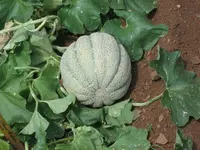
Charentais melon, Cucumis melo var. cantalupo, is a small, round muskmelon valued for its fragrant, deeply flavored orange flesh. The plants grow as vigorous, trailing vines that spread across the ground and produce ribbed, gray-green fruits with a smooth to slightly netted rind.

This variety originated in France and is now grown in warm, sunny regions with a reliable summer. It prefers full sun, moderate but steady moisture, and well-drained, fertile soil.

The plant is moderately demanding because it needs warmth, consistent watering, and good pollination to fruit well. Gardeners who learn how to care for Charentais Melon often find it rewarding due to its high eating quality.

Main Plant Requirements

Care Difficulty

Moderate Care

Light Preference

Full Sun

Water Requirements

Regular Water

Temperature Preference

Tropical / Frost Sensitive

Hardiness Zone

4–11

Soil Texture

Sandy, Loamy, Organic-rich

Soil pH

Acidic (5.5–6.5), Slightly acidic (6.5–7.0)

Soil Drainage

Moist but well-drained

Fertilization

Moderate (every 2–4 weeks)

Get Personalized Care Plan

Scan your plant to receive care tips personalized for your specific plant

Available on iOS and Android

How to Care for the Charentais Melon

This melon needs strong, direct sun to produce sweet, well-ripened fruit.

  • Provide 6–8 hours of direct sun daily; full sun all day is ideal in most temperate climates for growing Charentais Melon outdoors.
  • Allow light afternoon shade in very hot regions to reduce leaf scorch and sunscald on developing fruit, especially during heatwaves.
  • In early spring or late season, choose the sunniest, south-facing spot available to compensate for lower light intensity and shorter days.

This plant prefers consistent soil moisture without remaining saturated.

  • Water when the top 3–5 cm of soil is dry; soil should feel slightly moist but not sticky when squeezed by hand.
  • Use well-drained, sandy or loamy soil so water moves through quickly, reducing risk of root rot and yellowing, soft leaves from overwatering.
  • During flowering and fruit swell, maintain steadier moisture; if vines wilt early in the day and leaves feel thin or crisp, increase watering depth.

This warm-season crop grows best under stable, heat-friendly conditions.

  • Aim for daytime temperatures of 75–90°F (24–32°C) and nights above 60°F (16°C) for strongest vine growth and flowering.
  • Avoid exposure below 50°F (10°C); growth slows sharply, and any frost around 32°F (0°C) can kill vines outright.
  • In hot spells above 95°F (35°C), use mulch and, if possible, light shade cloth to keep root zone cooler and reduce heat stress on foliage.

This melon prefers moderately dry air and usually does not need special humidity control outdoors.

  • Aim for ambient humidity around 30–60% in most growing areas.
  • Plants tolerate drier air, but prolonged hot, windy conditions can cause leaf edge browning and faster soil moisture loss.
  • In exposed, arid sites, use mulch and nearby ground planting or water trays under adjacent pots to slightly buffer dry air, especially for Charentais Melon.

This species needs loose, well-structured, free-draining soil to support strong roots and sweet fruit.

  • Use a deep, loamy or sandy-loam soil enriched with 20–30% mature compost for organic matter and moisture retention.
  • Ensure drainage is rapid yet even; avoid compacted or heavy clay that stays wet for more than 24 hours after irrigation or rain.
  • Target a soil pH of 6.0–6.8; in acidic soils, incorporate garden lime lightly before planting Cucumis melo var. cantalupo.
  • Improve aeration and drainage by mixing in sharp sand or perlite where native soil feels sticky, cloddy, or forms a crust when dry.

This species can be grown in containers if the pot is large, stable, and drains efficiently.

  • Choose a container at least 40–50 cm wide and deep to give the vigorous root system enough volume to support fruiting vines.
  • Use a heavy terracotta or thick plastic pot to reduce tipping as vines sprawl or climb and fruits gain weight on one side.
  • Place the container where excess water can drain freely away from saucers or surfaces so roots do not sit in runoff after heavy watering.

Cucumis melo var. cantalupo is a fast-growing annual that benefits from consistent but moderate nutrition for strong vines and sweet fruit.

  • Before planting, mix compost or well-rotted manure into the top 15–20 cm of soil for a slow, steady nutrient base.
  • During active growth, apply a balanced NPK fertilizer (such as 10-10-10) every 3–4 weeks at half label strength.
  • Side-dress with compost or a balanced granular fertilizer when vines begin to run and again at fruit set to support Charentais Melon development.
  • Stop feeding or reduce to very light applications as growth slows late in the season; no fertilizer is needed after vines begin to decline.

Pruning Cucumis melo var. cantalupo helps manage sprawl, improve airflow, and focus energy on fruit production.

  • Carry out main pruning in early to mid-season once vines have several true leaves and are well established.
  • Use clean, sharp scissors or pruners to remove dead, yellowing, or insect-damaged leaves and any clearly diseased growth.
  • Pinch or cut back overly long, crowded runners to 3–4 main vines to improve light penetration and concentrate resources into fruit.
  • Limit the number of developing fruits per plant by trimming excess fruiting side shoots, encouraging larger, better-quality melons.

Cucumis melo var. cantalupo is usually started in small containers or trays, then transplanted outdoors once conditions are warm and stable.

  • Transplant when seedlings have 2–3 true leaves and roots hold the soil plug together but are not circling heavily.
  • Aim to transplant in late spring after frost risk has passed and soil has warmed to at least 60–65°F for steady growth.
  • Handle seedlings by the root ball or leaves, not stems, and move them with as much intact soil as possible to limit root stress.
  • Water thoroughly after transplanting, provide light shade or row cover for a few days, and avoid disturbing roots again during the season.

New Cucumis melo var. cantalupo plants are most reliably produced from seed rather than vegetative methods.

  • Sow seeds indoors 2–4 weeks before the last frost or directly outdoors once soil reaches about 65–70°F.
  • Use a light, well-drained seed-starting mix and keep it evenly moist, not waterlogged, for consistent germination.
  • Provide warm temperatures (70–80°F) and strong light to prevent leggy seedlings and encourage sturdy stems.
  • Thin or separate seedlings so each plant has space, then harden off gradually before planting into the garden or larger containers.

Cucumis melo var. cantalupo is a frost-tender annual that completes its life cycle in one warm season and does not overwinter outdoors.

  • Expect vines to die back after the first light frost; harvest mature fruit before freezing nights arrive.
  • In cooler regions, extend the season slightly by using row covers over plants during late fall cold snaps.
  • For container-grown vines, moving them into an unheated but frost-free space may prolong harvest briefly, but long-term overwintering is not practical.

Care Tips

Use Plastic Mulch

Lay black plastic mulch 1–2 weeks before planting to warm the soil, suppress weeds, and keep developing fruits clean and less prone to rot.

Train And Space Vines

Guide vines along rows or away from each other early on so fruits have good air flow and sun exposure, which reduces disease pressure and improves ripening uniformity.

Limit Fruit Load

Once vines set several small melons, remove extras and keep 3–5 fruits per healthy plant so remaining melons size up better and reach full sweetness.

Elevate Developing Fruits

Place ripening melons on small boards, flat stones, or fruit cradles to reduce soil contact, discourage slugs, and prevent the underside from rotting in wet conditions.

Monitor Ripeness Closely

From the first color change, inspect fruit daily for netting development, aroma, and slight stem cracking at the attachment point, then harvest promptly to capture peak flavor when growing Charentais Melon.

Common Pests and Diseases

Powdery mildew

This disease causes white, powdery patches on leaves, often starting on older foliage and spreading quickly in warm, dry conditions with high humidity at night.

Solution

Remove heavily infected leaves, avoid overhead watering, and improve spacing and airflow around vines. Apply a sulfur or potassium bicarbonate fungicide labeled for melons at the first signs of infection and rotate with other modes of action to slow resistance.

Downy mildew

This disease produces yellow angular spots on upper leaf surfaces with gray to purplish fuzz underneath, leading to rapid leaf collapse in humid, cool to warm weather.

Solution

Destroy infected leaves, keep foliage as dry as possible, and water at soil level early in the day. Use resistant varieties when available and apply a copper-based or phosphonate fungicide at the first appearance of symptoms, repeating as label directions specify during favorable conditions.

Cucumber beetles

These insects chew small holes in leaves and flowers and can transmit bacterial wilt, causing sudden vine wilting even when soil remains moist.

Solution

Use floating row covers to exclude beetles from young plants, removing covers when flowers need pollination. Hand-pick beetles, deploy yellow sticky traps, and, if pressure is high, use a targeted insecticide such as spinosad or pyrethrin in the evening, following the label and protecting pollinators.

Aphids

These insects cluster on shoot tips and leaf undersides, sucking sap and causing curling leaves, sticky honeydew, and sooty mold growth.

Solution

Wash colonies off with a strong water spray and pinch off heavily infested shoot tips. Encourage natural enemies like lady beetles, use reflective mulches to reduce colonization, and apply insecticidal soap or horticultural oil to leaf undersides, repeating as needed.

Fusarium wilt

This disease causes one-sided or whole-vine wilting, yellowing, and eventual plant death, often showing brown discoloration in the stem’s vascular tissue when cut open.

Solution

Remove and destroy affected plants and do not compost infected residues. Practice long crop rotations of 3–4 years out of melons and related cucurbits, use resistant rootstocks or cultivars when available, and maintain balanced soil fertility to support stronger plants; following Charentais Melon care instructions that emphasize clean seed and good sanitation further reduces risk.

Interesting Facts

French heirloom origins

This melon type was historically selected and grown near the town of Cavaillon in southern France, leading to the classic small, round Charentais melons known today for their intense aroma and deep orange flesh.

Aromatic volatile profile

Charentais-type melons produce a characteristic mix of volatile organic compounds such as esters and alcohols, which gives them a stronger, more complex fragrance and flavor than many standard cantaloupe cultivars.

Climate-sensitive ripening

These melons are highly sensitive to cool or overly wet conditions during ripening, which can quickly reduce sugar accumulation and aroma intensity, so high-quality fruit is usually associated with warm, relatively dry growing regions and careful field management when people grow Cucumis melo var. cantalupo.

Botan icon

Did you know?

Charentais melons are often harvested at or very close to full slip stage, when the fruit naturally detaches from the stem, because flavor and aroma develop so rapidly and intensely in the final days that even a short delay in harvest or transport can noticeably reduce their eating quality.

FAQs about Charentais Melon

The fruit is fully edible when ripe and is grown specifically for its sweet, aromatic orange flesh. The rind is usually discarded. Seeds are technically edible but are more often removed and composted or saved for future sowing.

Grow Healthy Plants with Botan Care

Keep your plants happy and healthy with plant identification, disease detection, and easy care guidance.

Botan plant care app — identify plants on mobile

Explore More Plants