Lemon Care (Citrus × limon)

Also known as: Bergamot Orange, Limetta, Sweet Lime, Sweet Lemon, Chinese Lemon, Canton Lemon, Meyer Lemon, Palestinian sweet lime, Mazoe Lemon, bergamia
Lemon

About Lemon

Lemon, Citrus × limon, is an evergreen fruit tree from the citrus family, typically grown as a small tree outdoors or a compact container plant indoors. It originates from subtropical regions, especially around the Mediterranean and parts of Asia.

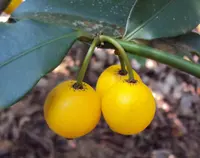
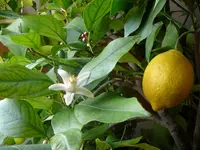
Plants have glossy, aromatic leaves, fragrant white blossoms, and bright yellow fruits that appear almost year-round in good conditions. The strong scent and attractive shape make it popular for patios, balconies, and bright indoor spaces.

Lemon is moderately demanding and needs good light, stable warmth, and well-drained soil. With some attention to watering, feeding, and pruning, it is possible to care for Lemon successfully at home.

Main Plant Requirements

Care Difficulty

Moderate Care

Light Preference

Full Sun

Water Requirements

Moderate Water

Temperature Preference

Tropical / Frost Sensitive

Hardiness Zone

9–11

Soil Texture

Sandy, Loamy, Organic-rich

Soil pH

Acidic (5.5–6.5), Slightly acidic (6.5–7.0)

Soil Drainage

Moist but well-drained

Fertilization

Moderate (every 2–4 weeks)

Get Personalized Care Plan

Scan your plant to receive care tips personalized for your specific plant

Available on iOS and Android

How to Care for the Lemon

Citrus × limon needs strong light to flower and fruit reliably.

  • Provide 6–8 hours of direct sun daily, ideally with gentle morning sun and some protection from intense midafternoon summer sun.
  • Outdoors, place in an open, unshaded spot; in cooler climates, a south- or west-facing wall can reflect extra light and heat.
  • Too little sun leads to weak growth and poor fruiting, while harsh, all-day sun in hot climates can scorch leaves, so use light shade cloth if needed.

Citrus × limon prefers evenly moist, well-drained soil rather than constant wetness.

  • Water when the top 3–5 cm of soil feels dry, soaking the root zone thoroughly, then allow excess to drain away.
  • Reduce watering in cool seasons when growth slows, but never let the soil stay bone-dry for long periods, especially during flowering and fruit set.
  • Yellowing, soft leaves or a sour smell suggest overwatering and poor drainage; hard, curling leaves and dry, pale soil indicate underwatering.

Stable, warm conditions support strong growth and reliable fruiting for this citrus.

  • Aim for 65–80°F (18–27°C) for active growth, with slightly cooler nights improving flowering and fruit set.
  • Protect from temperatures below 28–30°F (-2 to -1°C); even light frost can damage young shoots, flowers, and fruit.
  • In hot spells above 95°F (35°C), provide extra water and light shade to limit leaf scorch and fruit drop, especially in containers or exposed sites.

This citrus prefers moderate humidity and reacts quickly to very dry indoor air.

  • Aim for 40–60% humidity; it tolerates brief dips lower but leaf tips may brown in prolonged dry air.
  • Watch for curled leaves, sticky honeydew, or spider mites, which often worsen when humidity is too low for Lemon.
  • Increase humidity with a nearby humidifier or grouped plants rather than misting, which can encourage fungal leaf spots.

This species requires a well-aerated, sharply draining mix that still holds moderate, even moisture.

  • Use a loose, sandy loam with plenty of organic matter to support steady moisture without staying wet.
  • Aim for slightly acidic soil, around pH 6.0–6.5, which optimizes nutrient availability for Citrus × limon.
  • Blend potting mix with coarse materials such as pine bark, perlite, and coarse sand to improve structure and drainage.
  • Avoid dense, clay-heavy, or waterlogged soils, which promote root rot and reduce oxygen around the roots.

This species adapts well to container growing when the pot supports its deep, woody root system and top-heavy canopy.

  • Choose a container slightly wider than the root mass but deep enough to accommodate a strong taproot and anchoring lateral roots.
  • Select a heavy, stable pot material such as thick terracotta or ceramic to reduce tipping from wind and fruit weight outdoors.
  • Ensure multiple drainage holes so excess water leaves quickly, preventing saturated zones that stress citrus roots at the pot base.

Citrus × limon benefits from consistent, moderate feeding to support foliage, flowering, and fruiting.

  • Use a balanced citrus fertilizer or balanced NPK product, optionally supplemented with compost, for container and in-ground trees.
  • Feed every 4–6 weeks during the active growing season, following label rates for tree size and age.
  • Apply at 1/2–3/4 recommended strength for young or stressed plants to reduce salt buildup risk.
  • Reduce or stop feeding in late fall and winter when growth slows, especially for Lemon grown indoors.

Pruning supports healthy structure, good light penetration, and fruiting in Citrus × limon.

  • Carry out main pruning in late winter or very early spring before vigorous new growth begins.
  • Remove dead, diseased, crossing, or inward-growing branches to improve airflow and reduce pest issues.
  • Thin congested interior shoots and shorten overly long branches to balance shape and height.
  • Use clean, sharp bypass pruners; make angled cuts just above outward-facing buds or branch junctions.

Container-grown Citrus × limon needs occasional repotting or transplanting to maintain root health and stable growth.

  • Repot when roots circle the pot, emerge from drainage holes, or when growth and watering response slow noticeably.
  • Plan repotting for late winter or early spring, about every 2–3 years for young container trees.
  • Move into a pot 2–5 cm wider with well-draining citrus mix, keeping the root flare slightly above the soil line.
  • Loosen circling roots gently, water thoroughly after repotting, and keep in bright, sheltered light for 1–2 weeks to limit stress.

Citrus × limon is commonly propagated by semi-hardwood cuttings and by grafting onto compatible rootstocks.

  • Take 10–15 cm semi-hardwood cuttings in late spring or summer from healthy, non-flowering shoots.
  • Remove lower leaves, dip the base in rooting hormone, and insert into a sterile, well-draining mix such as perlite and peat.
  • Maintain 70–80°F, high humidity, and bright, indirect light until roots form over several weeks.
  • Seeds can be sown fresh in warm, moist mix, but offspring may differ from the parent and fruiting takes longer.

Winter care is important for Citrus × limon in regions with frost or extended cool periods.

  • In climates below 25–30°F, grow in containers and move indoors to a bright, cool room before hard frost.
  • Use frost cloth or breathable covers over small outdoor trees during short cold spells, removing covers by day.
  • Apply 5–8 cm of organic mulch around the root zone, keeping it away from the trunk to moderate soil temperature.

Care Tips

Root flare check

Keep the upper roots and trunk flare just above soil level by gently brushing away excess mix from the base once or twice a year to reduce rot risk and improve gas exchange for the roots.

Rotate for balance

Turn the container 90° every 2–3 weeks during active growth so branches develop evenly, which reduces leaning and lowers the chance of the plant becoming top-heavy or unstable.

Selective fruit thinning

Remove about half of very small young fruits in crowded clusters, especially on thin branches, to prevent limb breakage and improve the size and flavor of the remaining lemons.

Branch support staking

Use soft ties and a sturdy stake or pot-edge hooks to support heavily fruiting branches, positioning supports before lemons reach full size to avoid sudden snapping under weight.

Winter pest routine

Before bringing plants indoors for winter, hose down foliage, inspect leaf undersides with a hand lens, and apply a gentle insecticidal soap if needed to reduce common pests like spider mites and scale that often flare during Lemon indoor care.

Common Pests and Diseases

Citrus leaf miner

This pest is a tiny moth larva that tunnels inside young leaves, causing silvery, winding trails and distorted new growth.

Solution

Prune and discard heavily damaged flushes, avoid frequent light pruning that stimulates constant tender growth, and use horticultural oil on new leaves to deter egg laying; for severe outdoor infestations, time treatments to new growth flushes according to local Citrus × limon care guidelines.

Citrus aphids

These insects cluster on tender shoots and buds, sucking sap and causing curled, sticky leaves often coated with honeydew and sooty mold.

Solution

Rinse colonies off with a firm stream of water, pinch back heavily infested tips, encourage or introduce natural predators like lady beetles, and, if needed, use insecticidal soap or neem oil, repeating weekly until populations collapse.

Citrus scale

This pest appears as small, immobile bumps on stems, leaves, and sometimes fruit, leading to yellowing, leaf drop, and sticky honeydew in heavy infestations.

Solution

Gently scrape or wipe off visible scale with a cloth or soft brush, prune and dispose of heavily infested twigs, and apply horticultural oil thoroughly to smother remaining scale, repeating after 7–14 days if needed.

Citrus canker

This disease causes raised, corky lesions with yellow halos on leaves, stems, and sometimes fruit, which can lead to premature leaf and fruit drop.

Solution

Remove and discard infected leaves and twigs, disinfect pruning tools between cuts, avoid overhead watering and leaf wetness, and in high-risk outdoor areas follow local recommendations for copper-based sprays and sanitation to reduce spread.

Greasy spot

This disease produces yellow leaf spots that turn dark, slightly raised, and oily-looking on the underside, eventually leading to leaf drop and thinning canopy.

Solution

Rake and dispose of fallen leaves to reduce the source of infection, improve air circulation around the tree, avoid wetting foliage, and in outdoor plantings use a timed fungicide program with products labeled for citrus greasy spot where the disease is common.

Interesting Facts

Hybrid with unknown parents

Citrus × limon is a true hybrid, probably arising from crosses between citron (Citrus medica) and bitter or sour orange (Citrus × aurantium), and does not exist as a wild, ancestral species in nature.

Year‑round flowering habit

In suitable climates and under stable conditions, this species can flower and fruit multiple times a year, which is why individual trees often carry buds, flowers, unripe fruit, and ripe lemons at the same time.

Distinctive essential oil profile

The peel of this species is rich in essential oils dominated by limonene, with characteristic contributions from citral and other terpenes, which together produce the recognizable lemon aroma used widely in food, fragrance, and cleaning products.

Botan icon

Did you know?

Genomic studies have shown that Citrus × limon carries a mosaic genome derived mainly from citron and bitter or sour orange lineages, and different cultivated lemon groups can be genetically distinguished based on how much ancestry they retain from each parent species.

FAQs about Lemon

Lack of flowering often comes from insufficient light, heavy pruning of young shoots, or overfertilizing with high nitrogen. Cool, mild winter conditions, balanced fertilizer, and patience usually restore normal bloom on mature, well-established trees.

Grow Healthy Plants with Botan Care

Keep your plants happy and healthy with plant identification, disease detection, and easy care guidance.


Botan plant care app — identify plants on mobile

Explore More Plants