Windfirming Young Trees
In exposed sites, stake and loosely guy young trees for the first 2–3 years, then gradually remove supports to encourage a sturdy, wind-resistant root system and trunk.

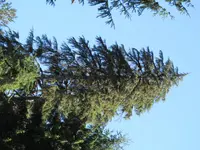
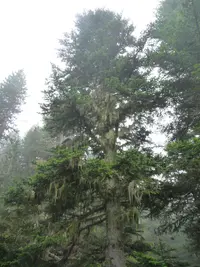
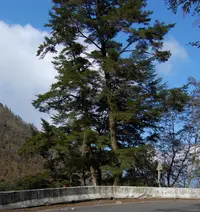
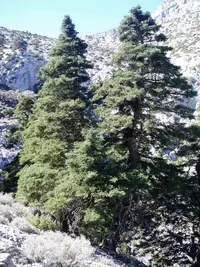
Western hemlock, Tsuga heterophylla, is a long-lived evergreen conifer native to the moist coastal forests of the Pacific Northwest in North America. It often forms dense, shaded stands in cool, humid environments.
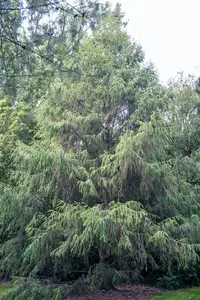
This tree has graceful, slightly drooping branch tips, flattened short needles, and small hanging cones, giving it a soft, layered appearance. In nature it can reach impressive heights and becomes a dominant canopy tree in suitable habitats.
For gardeners, it is generally considered moderate in difficulty, as it dislikes drought, compaction, and hot, exposed sites. To successfully care for Western Hemlock, provide cool conditions, consistent moisture, and slightly acidic, well-drained soil with some protection from strong drying winds.

Care Difficulty
Moderate Care

Light Preference
Partial Shade

Water Requirements
Regular Water

Temperature Preference
Cold Hardy

Hardiness Zone
6–8

Soil Texture
Loamy, Silty, Organic-rich

Soil pH
Strongly acidic (4.5–5.5), Acidic (5.5–6.5)

Soil Drainage
Moist but well-drained

Fertilization
Minimal (feed rarely)
Scan your plant to receive care tips personalized for your specific plant
Available on iOS and Android
Tsuga heterophylla prefers cool, moist sites with soft light rather than intense direct sun.
Tsuga heterophylla needs consistently moist, cool soil but reacts poorly to standing water.
This species thrives in cool, humid climates and struggles with prolonged heat or extreme cold away from its native range.
This coastal conifer prefers consistently cool, moist air but adapts to a range of outdoor humidity levels.
This species thrives in cool, moist, well-aerated soil that mimics a forest floor.
This species is only marginally suitable for containers and works best in large, outdoor pots for temporary or juvenile growth.
Tsuga heterophylla grown in typical garden soil needs only modest, balanced nutrition.
Pruning Tsuga heterophylla focuses on safety and structure rather than heavy shaping.
Western Hemlock is usually grown in the ground, so management centers on careful transplanting rather than frequent repotting.
Tsuga heterophylla is usually propagated by nurseries, as home propagation is slow and demands controlled conditions.
Mature Tsuga heterophylla is cold hardy in much of its range and usually needs minimal winter care in the ground.

Plant Health Check
Not sure what's wrong with your plant? Check your plant's health inside the app.
This species is easily recognized by its unusually drooping tree tip, or leader, and gracefully hanging branchlets, a growth habit that helps shed heavy coastal snow and rain.
Western hemlock seedlings can survive for many years in very low light under dense forest canopies, then accelerate growth rapidly when a canopy gap opens, which contributes to its dominance in old-growth coastal forests.
Its fine, shallow root system and slowly decomposing needle litter strongly influence soil acidity and nutrient cycling, helping shape the characteristic mossy, humus-rich forest floors of the Pacific Northwest.

In favorable coastal conditions, western hemlock can exceed 60 m in height and live for 500–700 years, making it one of the tallest and longest-lived conifers in the temperate rainforests of western North America.
This conifer is evergreen, holding its soft, flat needles year-round rather than dropping them in autumn. Older inner needles shed gradually, but the tree maintains a consistently green canopy in suitable conditions and climates.
Keep your plants happy and healthy with plant identification, disease detection, and easy care guidance.