Sargent's Spruce Care (Picea brachytyla)

Also known as: Alcock Spruce
Sargent's Spruce

About Sargent's Spruce

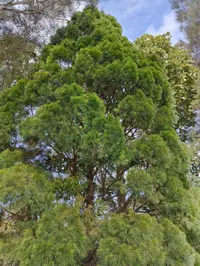
Sargent's spruce, Picea brachytyla, is an evergreen conifer known for its dense, pyramidal crown and short, stiff needles that give it a tidy, formal look. It typically forms a medium to large tree, making it more suitable for spacious gardens, parks, or as a landscape specimen than for small yards.

This species occurs naturally in high-elevation forests in central and western China, where it grows in cool, moist mountain conditions. It is generally hardy and wind tolerant but can be slow to establish if soil is compacted or very dry. Gardeners who learn how to care for Sargent's Spruce usually focus on providing cool roots, steady moisture, and well-drained, slightly acidic soil.

Main Plant Requirements

Care Difficulty

Moderate Care

Light Preference

Full Sun

Water Requirements

Moderate Water

Temperature Preference

Cold Hardy

Hardiness Zone

6–8

Soil Texture

Loamy, Sandy, Clay

Soil pH

Acidic (5.5–6.5), Slightly acidic (6.5–7.0)

Soil Drainage

Moist but well-drained

Fertilization

Minimal (feed rarely)

Get Personalized Care Plan

Scan your plant to receive care tips personalized for your specific plant

Available on iOS and Android

How to Care for the Sargent's Spruce

This mountain conifer prefers cool, bright sites with protection from harsh afternoon sun.

  • Provide 4–6 hours of direct morning sun with light shade or filtered light after 1–2 pm, especially in hotter regions, for healthy, dense growth.
  • Tolerates light to moderate partial shade (dappled light under high trees), but very deep shade reduces vigor and makes Sargent's Spruce thin and sparse over time.
  • In summer, monitor needles for yellowing or browning on the south or west side, which signals excess sun; newly planted trees benefit from temporary shade cloth in the first 1–2 seasons.

This species prefers evenly moist, cool soil that drains well and does not stay saturated.

  • Before watering young or newly planted trees, check that the top 3–5 cm of soil feel slightly dry, then water slowly so moisture reaches 20–30 cm deep around the root zone.
  • Use well-drained, slightly acidic soil; standing water, a sour smell, or soft, blackened roots indicate overwatering and poor drainage that can lead to root rot.
  • In the first 2–3 years, increase watering during hot, dry spells, and reduce it in cool, rainy seasons; dull, drooping needles usually signal drought stress in Picea brachytyla.

This hardy conifer is adapted to cool, temperate climates with cold winters and mild summers.

  • Optimal active growth occurs around 50–70°F (10–21°C), with steady cool conditions helping maintain dense foliage and strong shoots.
  • Mature trees tolerate winter lows near -20°F (-29°C) or a bit colder when fully established, but young plants benefit from mulch to moderate root temperatures and reduce freeze–thaw stress.
  • In hot climates, prolonged temperatures above 85°F (29°C) combined with dry wind can cause needle scorch; provide afternoon shade and maintain soil moisture during these periods to support stable Picea brachytyla care.

This species prefers relatively cool, moderately moist air rather than high indoor humidity.

  • Target 40–60% humidity, similar to outdoor conditions, as Sargent's Spruce is not a tropical species.
  • It tolerates brief drier air but prolonged very low humidity can brown needle tips and edges.
  • Increase humidity outdoors with mulch over the root zone, and in sheltered spots by grouping containers near unheated, moist ground rather than hard paving.

Picea brachytyla performs best in cool, moist, well-structured ground that drains freely.

  • Use a deep, loamy mix with plenty of organic matter and mineral grit so water drains but roots stay evenly moist.
  • Aim for slightly acidic to neutral soil, roughly pH 5.5–7.0, avoiding strongly alkaline or salty conditions that restrict nutrient uptake.
  • Blend composted bark, coarse sand or grit, and a small amount of compost to improve both drainage and root aeration.
  • Avoid heavy, compacted clay or waterlogged areas; if drainage is marginal, raise the planting area on a berm or broad mound.

This conifer can be grown in containers for many years if the pot is managed for stability and drainage.

  • Choose a tall, heavy container that resists wind rock, since the plant develops a relatively narrow but top-heavy crown.
  • Select a pot only 5–10 cm wider than the root mass to limit excess wet substrate that can sour around fine roots.
  • Use a mineral-rich, free-draining mix and elevate the container slightly on feet so drainage holes stay clear and water does not pool under the base.

This conifer usually needs minimal feeding, but light fertilization can support healthy growth, especially for young Sargent's Spruce in poor soils.

  • Use a balanced slow-release granular fertilizer (around 10-10-10) or well-rotted compost worked lightly into the root zone in early spring.
  • Feed once in spring; on very lean soils a second, lighter application in mid-summer is acceptable.
  • Dilute liquid feeds to 1/2 strength if used, and apply only to moist soil to avoid root burn.
  • Stop all fertilization in late summer so new growth hardens before winter dormancy.

Picea brachytyla needs only light, selective pruning to maintain health and a natural form.

  • Carry out pruning in late winter to early spring before active growth starts.
  • Remove dead, diseased, or storm-damaged branches first, cutting back to healthy wood without leaving stubs.
  • Thin gently by taking out crossing or crowded interior shoots to improve air flow while preserving the conical outline.
  • Use clean, sharp bypass pruners or a pruning saw, disinfecting blades between cuts on diseased wood.

This spruce is most often grown in the ground, with transplanting focused on young trees before they establish deep roots.

  • Transplant in early spring or early fall when soil is cool and moist, avoiding hot, dry periods.
  • Look for signs such as roots circling inside the pot, slow growth, or soil drying out very quickly if grown in containers.
  • Move up only 1 pot size, or into a prepared ground hole 2–3 times the width of the root ball, set at the same depth.
  • Water thoroughly after planting, apply a 5–8 cm mulch ring, and keep soil evenly moist for the first growing season to reduce transplant shock.

Picea brachytyla is usually propagated by seeds or semi-ripe cuttings, both of which require patience and controlled conditions.

  • Collect ripe cones, extract seeds, and stratify them in moist medium at 34–41°F for about 6–8 weeks before sowing.
  • Sow stratified seed in a well-drained, sterile mix under bright, indirect light and keep evenly moist, not waterlogged.
  • Take semi-ripe cuttings in late summer, treat bases with rooting hormone, and insert into a coarse, free-draining substrate.
  • Maintain high humidity and cool temperatures for cuttings, using bottom heat only gently if needed to encourage rooting.

This cold-hardy spruce generally withstands typical winters in its range with minimal intervention once established.

  • Tolerates freezing temperatures when planted in the ground, provided soil drains well and does not stay waterlogged.
  • Apply a 5–8 cm mulch layer over the root zone in late fall, keeping it a few cm away from the trunk.
  • For young or container-grown plants, shelter from drying winter winds and strong reflected sun to limit needle scorch.
  • In very cold regions, group containers together and insulate pots with mulch, straw, or foam to protect roots from deep freezing.

Care Tips

Wind-hardening young trees

Stake only very young or freshly planted trees for 1–2 years, using flexible ties that allow slight movement so the trunk can strengthen without rubbing damage.


Snow load management

In regions with heavy, wet snow, gently brush snow off the branches with a soft broom after storms to reduce the risk of limb bending or breakage, working from the bottom upward.

Deep root establishment

In the first 3–4 growing seasons, apply a slow, deep soak around the drip line during dry spells rather than frequent light watering to encourage a deep, drought-resilient root system.

Mulch collar spacing

Keep a 5–10 cm mulch-free ring around the trunk base to prevent bark rot and rodent damage, while maintaining a 5–8 cm mulch layer further out over the root zone.

Targeted pest scouting

From late spring through summer, inspect inner branches and undersides of needles monthly for aphids, adelgids, and spider mites so that caring for Sargent's Spruce can include early, localized treatment before damage spreads.

Common Pests and Diseases

Spruce needle cast

This disease causes interior needles to yellow, then turn brown and drop prematurely, often leaving only the branch tips green. Symptoms include thin, see‑through foliage and small black fruiting bodies in rows on infected needles.

Solution

Prune out and destroy heavily affected lower branches to reduce inoculum and improve air circulation. Avoid overhead watering, keep the area under the tree free of fallen needles, and in severe or recurring cases use a labeled copper or chlorothalonil fungicide in spring as new needles emerge, following local regulations and label directions.

Spruce needle rust

This disease produces pale spots on needles that later develop yellow to orange blisters, sometimes leading to needle drop on lower or shaded branches. Symptoms include uneven, patchy discoloration and a weaker, thin crown over time.

Solution

Remove and discard infected needle clusters and nearby alternative host plants if identified by a local extension service. Improve light and airflow around the tree, keep irrigation at the soil level, and in areas with a history of rust, apply an appropriate preventive fungicide in early spring when buds begin to swell.

Spruce spider mites

These insects feed on needles, causing a dull, grayish or bronzed appearance, fine webbing, and gradual thinning of foliage, especially in dry conditions. This pest is very small and often noticed only after foliage loses its normal bluish‑green color and vigor.

Solution

Spray the foliage forcefully with water, including the undersides of branches, 1–2 times per week for several weeks to dislodge mites. If damage continues, use a horticultural oil or insecticidal soap labeled for conifers during cooler parts of the day, and avoid broad‑spectrum insecticides that kill beneficial predatory mites.

Spruce aphids

These insects cluster on young shoots and undersides of needles, sucking sap and causing distorted new growth, sticky honeydew, and sooty mold on needles and bark. Symptoms include curling or stunted new tips and an overall decline in vigor on stressed trees.

Solution

Rinse colonies off young shoots with a strong stream of water and prune out heavily infested soft tips if practical. Encourage natural predators, avoid high‑nitrogen fertilization, and when needed apply insecticidal soap or a light horticultural oil thoroughly to infested areas during mild, dry weather as part of Picea brachytyla plant care.

Cytospora canker

This disease often starts on lower branches of older or stressed trees, causing progressive branch dieback and resinous, white to amber pitch oozing from cankered areas. Symptoms include scattered dead branches that retain brown needles for a time before defoliating.

Solution

Prune out infected branches during dry weather, cutting back to healthy wood and disinfecting pruning tools between cuts with 70% alcohol or a 10% bleach solution. Reduce stress by avoiding soil compaction, improving drainage, watering during prolonged drought, and preventing mechanical damage to the trunk and roots, as there is no effective curative fungicide for established cankers.

Interesting Facts

Highly localized range

This spruce is naturally restricted to high-elevation forests of central and western China, especially in Sichuan, Yunnan, and Tibet, where it occurs in relatively scattered, fragmented populations rather than forming continuous belts.

Short-needled adaptation

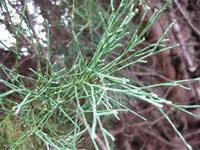
Its needles are notably shorter than those of many related spruces, a trait thought to reduce water loss and withstand the cold, windy, high-mountain environments where it grows.

Cones with reflexed scales

The seed cones are cylindrical with thin, often slightly reflexed scales that bend back as they mature, a feature that helps distinguish it from several other Chinese spruces in the field.

Botan icon

Did you know?

This species is considered globally Near Threatened due to habitat loss and fragmentation in its limited Chinese mountain range, and it is of conservation interest because some of its natural stands show very little regeneration, suggesting pressure from logging and grazing.

FAQs about Sargent's Spruce

This species is slow to moderate growing, usually adding about 15–30 cm per year once established. Growth rate depends on climate, soil quality, moisture availability, and root space, so expectations should be modest in most home landscapes.

Grow Healthy Plants with Botan Care

Keep your plants happy and healthy with plant identification, disease detection, and easy care guidance.

Botan plant care app — identify plants on mobile

Explore More Plants