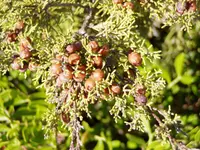
Pigmy cypress-pine Care (Callitris oblonga)

Also known as: Tasmanian Cypress-pine, Dwarf Cypress-pine, River Pine
Pigmy cypress-pine

About Pigmy cypress-pine

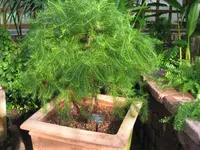
Pigmy cypress-pine (Callitris oblonga) is a compact, slow-growing conifer native to riverbanks and rocky slopes in Tasmania and southeastern Australia. It forms a dense, narrow shrub or small tree with fine, scale-like foliage and small woody cones.

The plant is valued for its neat, architectural shape and its ability to tolerate poor, sandy, or rocky soils once established. It prefers full sun, good drainage, and low to moderate watering, which makes it suitable for low-maintenance plantings.

Because it grows slowly and stays relatively compact, it fits well in small gardens and specialized collections, though it is less common in general landscaping. Understanding how to care for Pigmy cypress-pine helps maintain its tight form and healthy foliage over time.

Main Plant Requirements

Care Difficulty

Moderate Care

Light Preference

Full Sun

Water Requirements

Low Water

Temperature Preference

Cold Hardy

Hardiness Zone

8–10

Soil Texture

Sandy, Loamy, Rocky

Soil pH

Slightly acidic (6.5–7.0), Neutral (7.0)

Soil Drainage

Well-drained

Fertilization

Minimal (feed rarely)

Get Personalized Care Plan

Scan your plant to receive care tips personalized for your specific plant

Available on iOS and Android

How to Care for the Pigmy cypress-pine

This species prefers bright outdoor conditions with consistent sun exposure for compact, healthy growth.

  • Provide 6–8 hours of direct sun daily; morning and early afternoon sun suit Pigmy cypress-pine best in most temperate climates.
  • In hotter regions, give full sun until midday, then light afternoon shade to reduce needle scorch and moisture stress.
  • Avoid dense shade, which leads to sparse, open growth; choose a site that stays unshaded in winter when the sun is lower.

This conifer prefers evenly moist but never saturated soil, especially during establishment.

  • Water when the top 3–5 cm of soil feels dry, applying a slow, deep soak rather than frequent light splashes to encourage deep rooting.
  • During the first 1–2 growing seasons, check moisture after hot, windy days; in cool or rainy periods, skip watering to prevent soggy soil.
  • Yellowing, dropping foliage and a sour soil smell suggest overwatering, while browning, brittle tips and very light soil indicate underwatering in Callitris oblonga.

This species is adapted to temperate climates with cool winters and warm, dry summers.

  • Aim for active growth in 60–80°F (16–27°C); short periods up to about 90°F (32°C) are tolerated if soil is not waterlogged.
  • Mature plants usually handle drops to around 10–15°F (-12 to -9°C) once established, but young plants are more vulnerable to sudden hard frosts.
  • In areas with frequent freeze–thaw cycles or extreme heat, use mulch to buffer root temperatures and avoid planting in frost pockets or against reflective walls.

This species tolerates a wide humidity range and usually needs no special adjustment in homes.

  • Target 30–50% relative humidity, similar to typical indoor air, as Pigmy cypress-pine evolved in relatively dry habitats.
  • Dry indoor air is usually acceptable, but sustained levels below 25% can slow growth and increase needle drop.
  • If air is very dry and foliage browns at tips, group plants together or place the pot on a pebble tray with water below the pot base.

Callitris oblonga prefers lean, mineral soils with fast drainage and modest organic content.

  • Use a sandy or sandy-loam mix, such as 50–60% coarse sand, 20–30% loam, and 10–20% fine bark or compost for structure.
  • Aim for slightly acidic to neutral pH, around 6.0–7.2, which supports nutrient availability without stressing roots.
  • Improve aeration by adding coarse sand, pumice, or fine gravel, ensuring water runs through freely without pooling at the surface.
  • Avoid heavy clay, peat-heavy, or constantly wet mixes, which reduce oxygen around roots and promote root rot.

This species can be grown in containers, especially when young or kept compact outdoors.

  • Choose a deep, heavy container that balances the plant’s upright growth and reduces tipping in strong winds.
  • Select thick-walled terracotta or concrete to moderate root temperature swings and slightly increase evaporation from the mix.
  • Raise the container on feet or bricks so drainage holes stay clear and excess water escapes quickly after rain or watering.

Callitris oblonga is low feeding and usually needs only light support in average soil.

  • Use a balanced slow-release conifer fertilizer or well-rotted compost in early spring for young or container plants.
  • Apply at half the label rate to avoid overly lush, weak growth in Pigmy cypress-pine.
  • Feed once in spring and, if growth is poor, once again in midsummer; skip feeding on vigorous, in-ground trees.
  • Stop fertilizing in late summer so new growth hardens before winter dormancy.

Callitris oblonga needs only light, targeted pruning to maintain a healthy structure.

  • Carry out pruning in late winter or very early spring before active growth starts.
  • Remove dead, diseased, or storm-damaged branches first, cutting back to healthy wood with clean bypass pruners or a small saw.
  • Thin crowded interior twigs slightly to improve light and air movement without cutting into old bare wood.
  • Limit shaping to light tip trims, preserving the plant’s natural form and avoiding heavy shearing.

Most Callitris oblonga plants grow in the ground, so care focuses on careful transplanting rather than frequent repotting.

  • Transplant young trees in late winter or early spring while still dormant for faster establishment.
  • Look for signs such as roots circling the container, slow growth, or the root ball drying out quickly to time transplanting.
  • Move up only 1 container size or into a hole 2–3 times wider than the root ball, using well-drained, slightly sandy soil.
  • Water thoroughly after planting, then keep soil evenly moist but not saturated for the first growing season to limit root stress.

Propagation of Callitris oblonga is possible from both seeds and semi-hardwood cuttings but requires patience and stable conditions.

  • Collect ripe cones in late summer or autumn, then extract seeds and provide a 1–2 month cold stratification period at 35–41°F.
  • Sow stratified seed in a very well-drained sandy mix, keep lightly moist, and maintain bright light with cool to mild temperatures.
  • Take semi-hardwood cuttings in late summer, use rooting hormone, and place in a coarse, free-draining medium under high humidity.
  • Avoid waterlogging during germination or rooting, as excess moisture strongly increases damping-off and rot risk.

Callitris oblonga is generally cold hardy in suitable climates and needs only modest winter care once established outdoors.

  • In regions with severe frost, apply a 5–8 cm mulch layer around the root zone, keeping it slightly away from the trunk.
  • Shelter young trees from drying winter winds using windbreaks or temporary screens, especially in exposed sites.
  • Move container-grown plants to a sheltered, unheated but frost-free spot, ensuring the root ball does not freeze solid.

Care Tips

Shelter From Wind

Plant in a position with some windbreak from hedges, fences, or buildings to prevent branch dieback and leaning in exposed, windy sites.

Early Form Training

In the first 3–5 years, remove or shorten competing leaders and strongly crossing branches in late winter to maintain a single straight leader and a stable, conical form.

Mulch To Protect Roots

Apply a 5–8 cm layer of coarse organic mulch over the root zone, keeping it 5–8 cm away from the trunk, to moderate soil temperature and reduce competition from turf.

Fire And Heat Planning

In fire‑prone or very hot inland areas, site plants at least 3–4 m from structures and use gravel or low, non-resinous groundcovers around the base to reduce flame spread and heat stress.

Monitor For Cypress Pests

Inspect foliage several times a year for webbing, stippling, or scale bumps, and if detected, prune out localized infestations and use a targeted horticultural oil spray before pests spread through the canopy when caring for Pigmy cypress-pine.

Common Pests and Diseases

cypress aphids

These insects feed on young green twigs and foliage, causing yellowing, sparse growth, and gradual dieback of branch tips. This pest is more common on stressed trees, especially in dry, warm conditions.

Solution

Prune and dispose of heavily infested branch tips, then hose down remaining foliage to dislodge aphids. If populations remain high, use a targeted horticultural soap or neem oil spray, applied thoroughly to twigs and undersides of foliage in the cool part of the day, and reduce plant stress through proper watering and mulching.

cypress bark scale

These insects attach to bark and small branches, sucking sap and excreting honeydew that can lead to sooty mold on the plant surface. Symptoms include twig dieback, rough white or grayish crusts on stems, and general thinning of foliage.

Solution

Cut out and destroy badly affected twigs and brush off loose scales where practical. For persistent infestations, apply a horticultural oil during the crawler stage or in late winter to smother scales, and improve tree vigor with consistent watering and reduced mechanical damage to the bark.

cypress canker

This disease causes sunken, discolored lesions on branches, often with oozing resin and sudden browning of sections of foliage beyond the infection site. Symptoms include scattered dead branch tips and, in severe cases, progressive dieback of major limbs.

Solution

Promptly prune out infected branches at least 20–30 cm below visible cankers, sterilizing tools between cuts, and destroy removed material. Improve airflow and reduce stress by avoiding overhead watering, preventing drought, and spacing plants adequately, and in high-risk areas choose well-drained sites to lower disease pressure as part of broader Callitris oblonga care instructions.

Interesting Facts

Endemic Tasmanian conifer

This species is naturally restricted mainly to Tasmania, with small occurrences in nearby mainland areas, and is closely associated with river gorges and rocky valleys in cool-temperate regions.

Flood-tolerant river specialist

It often grows along watercourses and can tolerate periodic flooding and waterlogged soils better than many other Mediterranean-climate conifers, which helps it persist on riverbanks and alluvial flats.

Unusual scaly foliage form

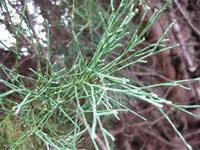
Its leaves are reduced to tiny overlapping scales pressed against the twigs, giving the branchlets a fine, jointed appearance that can superficially resemble some species of cypress or even certain clubmosses.

Botan icon

Did you know?

This species is listed as Vulnerable in the wild due to its highly fragmented populations and loss of riverine habitat, even though it is sometimes cultivated as an ornamental shrub in temperate gardens.

FAQs about Pigmy cypress-pine

Growth is generally slow to moderate. Young plants may add 10–20 cm per year, sometimes less in dry or exposed sites. As it matures, height gain usually slows, focusing more on branch thickening and crown density.

Grow Healthy Plants with Botan Care

Keep your plants happy and healthy with plant identification, disease detection, and easy care guidance.

Botan plant care app — identify plants on mobile

Explore More Plants