David's Keteleeria Care (Keteleeria davidiana)

David's Keteleeria

About David's Keteleeria

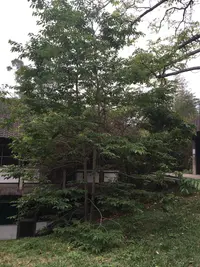
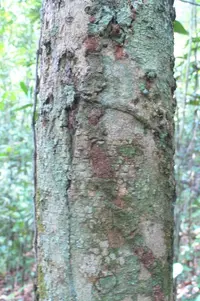
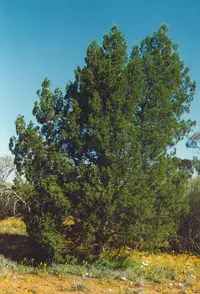
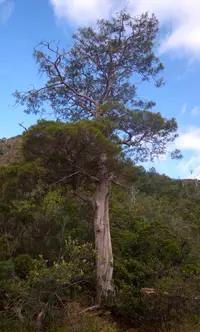
David's keteleeria (Keteleeria davidiana) is a coniferous tree in the pine family, grown mainly as an ornamental or forestry tree rather than a houseplant. It forms a tall, upright crown with layered branches and stiff, dark green needles that stay on the tree year-round.

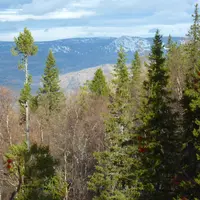
In nature it occurs in central and southern China, usually on mountain slopes and well-drained hillsides. It is generally hardy and wind tolerant once established, but slow early growth and a strong taproot make it more suited to permanent landscape planting than containers.

Gardeners who want to care for David's Keteleeria should know it prefers full sun, cool to mild climates, and deep, well-drained, slightly acidic soil with steady but not waterlogged moisture.

Main Plant Requirements

Care Difficulty

Moderate Care

Light Preference

Full Sun

Water Requirements

Moderate Water

Temperature Preference

Cool Climate

Hardiness Zone

6–8

Soil Texture

Sandy, Loamy, Clay

Soil pH

Acidic (5.5–6.5), Slightly acidic (6.5–7.0)

Soil Drainage

Moist but well-drained

Fertilization

Minimal (feed rarely)

Get Personalized Care Plan

Scan your plant to receive care tips personalized for your specific plant

Available on iOS and Android

How to Care for the David's Keteleeria

This conifer prefers full sun in cool climates and light shade in hotter regions for balanced growth.

  • Provide 6–8 hours of direct sun daily; in hot summer areas, aim for morning sun with light afternoon shade to reduce needle scorch.
  • Young David's Keteleeria trees benefit from some filtered light during their first 2–3 years while roots establish, especially on exposed sites.
  • Watch for long, sparse shoots and thin crowns as signs of insufficient light; pale, scorched needles often indicate intense, prolonged afternoon sun.

This species prefers consistently moist but not saturated soil, especially while establishing outdoors.

  • Allow the top 3–5 cm of soil to dry before deep watering, ensuring moisture reaches 20–30 cm down to encourage a strong root system.
  • During the first 2–3 growing seasons, monitor rainfall; supplement only when weekly rain totals fall below about 2.5 cm on well-drained soil.
  • Good drainage is essential; yellowing needles, soft twigs, or a sour soil smell suggest overwatering, while browning needle tips and premature needle drop indicate drought stress.

This hardy conifer tolerates cold winters but grows best in moderate seasonal temperatures.

  • Optimal growth occurs around 50–75°F (10–24°C), with active shoot extension in cool, moist spring and early summer conditions.
  • Mature trees can withstand winter lows near 0°F (−18°C) or slightly lower, but young plants benefit from wind protection and mulch against freeze–thaw cycles.
  • In hot climates, brief periods up to 90–95°F (32–35°C) are tolerated if soil moisture is stable; extended heat with dry soil increases stress and needle browning.

This conifer tolerates a wide humidity range but grows best with moderately moist air.

  • Aim for 40–60% humidity; typical outdoor conditions in temperate regions are usually sufficient.
  • Dry air is tolerated, but prolonged hot, windy sites can cause browning needle tips and increased shedding.
  • Increase humidity by wind protection, mulching the root zone, and grouping plants rather than misting foliage.

This species prefers deep, well-structured, moist but free-draining soil to develop a stable root system.

  • Use a loamy, slightly sandy structure enriched with moderate organic matter to balance moisture retention and aeration.
  • Ensure drainage is efficient; avoid sites where water stands after rain, since prolonged saturation promotes root disease.
  • Target a slightly acidic to neutral pH (about 5.5–7.0), which supports nutrient uptake and steady growth in Keteleeria davidiana.
  • Improve heavy or compacted soil by incorporating coarse sand, fine bark, and compost to loosen texture and increase pore space.

This species is only moderately suitable for long-term container growing and is best kept in large, stable tubs when young.

  • Choose a deep, heavy container to counter the tree’s eventual height and wind catch, reducing tipping risk.
  • Select a pot with wide surface area so structural roots can spread without circling tightly near the wall.
  • Use a coarse, free-draining mix and elevate the pot on feet so excess water clears quickly from the drainage holes.

This conifer grows steadily and needs only modest, balanced nutrition in cultivation.

  • Use a balanced slow-release fertilizer (for example 10-10-10) or well-rotted compost in early spring for David's Keteleeria.
  • Feed once each spring for in-ground trees; young container plants can receive light granular or liquid feed every 6–8 weeks in active growth.
  • Apply at half the label rate for trees, keeping granules away from the trunk flare to avoid burn.
  • Stop feeding in late summer so new growth hardens before winter and do not fertilize during winter dormancy.

Pruning needs for Keteleeria davidiana are low and mainly focused on safety and structure.

  • Carry out any structural pruning in late winter or very early spring before active growth.
  • Remove dead, diseased, crossing, or storm-damaged branches with clean, sharp bypass pruners or a pruning saw.
  • Limit cuts to smaller branches to preserve the natural conical form and avoid heavy topping.
  • Make clean cuts just outside the branch collar to support proper wound closure and reduce disease risk.

This species is usually grown in the ground, with transplanting focused on young trees before they establish deep roots.

  • Plan transplanting for late winter or early spring while the tree is still dormant and soil is workable.
  • Move only young specimens; signs such as roots circling in a nursery container or stalled growth indicate a need for a larger site.
  • Dig a wide planting hole, disturb circling roots gently, and keep the root flare at soil level to limit stress.
  • Water thoroughly after planting, then maintain consistent moisture and apply a 5–8 cm mulch ring, keeping mulch away from the trunk.

Propagation of this conifer is usually done from seed and is considered specialist work.

  • Collect ripe cones in late summer to autumn, then dry and extract seeds for sowing.
  • Provide cold stratification at about 34–41°F for several weeks to break seed dormancy and improve germination.
  • Sow in a free-draining, slightly acidic mix, covering seeds lightly and keeping the medium evenly moist but not waterlogged.
  • Grow seedlings in bright, cool conditions with shelter from hot sun and transplant only once a sturdy root system forms.

Mature trees are hardy in suitable climates and usually need minimal winter care once established.

  • Young or recently transplanted trees benefit from a 5–8 cm mulch layer over the root zone to buffer freeze–thaw cycles.
  • In very cold or exposed sites, use windbreaks or burlap screens to reduce desiccating winter winds on young foliage.
  • Container-grown plants, if any, should be moved to a sheltered, unheated but frost-moderated area for winter.

Care Tips

Windfirm training

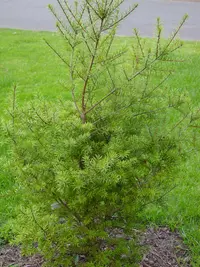
In the first 3–5 years, gradually remove or shorten competing leaders and strongly upright side branches so a single, straight central leader develops that can better withstand wind and snow loads.

Root flare protection

When planting or mulching, keep the root flare visible and free of soil or mulch, which reduces the risk of trunk rot and improves long-term stability for this deep-rooted conifer.

Soil compaction control

Avoid frequent foot traffic and heavy equipment within the drip line, and if soil is already compacted, use a soil auger or broadfork outside the root flare to create vertical aeration holes that you backfill with composted pine bark or similar material.

Targeted pest scouting

From late spring through summer, inspect 1–2-year-old needles and tender shoots every 2–3 weeks for aphids, scale insects, and caterpillar feeding, and treat only confirmed infestations with an appropriate horticultural oil or biological control to avoid unnecessary chemical use when caring for David's Keteleeria.

Snow and ice management

In regions with heavy, wet snow, gently knock accumulated snow off young branches with an upward motion and avoid using de-icing salts nearby, which helps reduce limb breakage and salt stress on the tree.

Common Pests and Diseases

Bark beetles

This pest bores into stems and trunk, creating galleries under the bark that disrupt water flow and can cause dieback of branches. Symptoms include small, round exit holes, boring dust at the base, and patches of fading or browning foliage in the crown.

Solution

Prune and destroy infested branches promptly, and remove badly compromised trees to reduce beetle breeding sites. Maintain strong tree vigor with appropriate watering and avoid mechanical damage; in high-risk areas, certified arborists may use targeted trunk-applied insecticides during beetle flight periods as part of Keteleeria davidiana care instructions.

Armillaria root disease

This disease is caused by Armillaria fungi that attack the roots and lower trunk, leading to progressive decline, thin foliage, and eventual death. Symptoms include resin exudation at the base, white fungal sheets under the bark near the soil line, and honey-colored mushrooms around the trunk in cool, wet seasons.

Solution

Remove and destroy severely affected trees, including as much of the major root system as possible, and avoid replanting Keteleeria or other susceptible conifers in the same spot. Improve site drainage, avoid overwatering and soil compaction, and favor planting on slightly raised, well-drained mounds to reduce infection risk.

Needle cast

This disease causes premature yellowing, browning, and shedding of older needles, often starting on the lower, inner branches. Symptoms include banding or spotting on needles, followed by thinning foliage and a sparse, see-through canopy.

Solution

Prune out and dispose of heavily affected branches, and rake and remove fallen needles to lower the fungal spore load. Improve air circulation by avoiding overcrowding, water at the soil level instead of overhead, and in persistent cases use a labeled conifer fungicide in spring to protect new needle growth.

Scale insects

These insects attach to needles and small twigs, sucking sap and causing yellowing, reduced vigor, and sticky honeydew that may lead to sooty mold. Symptoms include small, dome-shaped or flattened bumps on stems and a dull, unhealthy appearance of foliage.

Solution

Cut out and discard heavily infested twigs, and wash reachable branches with a strong but controlled stream of water to dislodge some scales. For ongoing infestations, apply horticultural oil during the dormant or crawler stages according to label directions, and monitor for natural predators such as lady beetles before considering additional treatments.

Canker diseases

These diseases create sunken, dead patches on branches or the trunk where bark cracks, oozes resin, and girdles the tissue, leading to dieback beyond the canker. Symptoms include localized discoloration, resin bleeding, and sudden browning of individual branches while the rest of the crown remains green.

Solution

Prune out affected branches well below the visible canker margin during dry weather, disinfecting tools between cuts to limit spread. Reduce plant stress through proper watering and mulching, avoid bark injuries, and select sites with good air movement so the tree can compartmentalize minor infections more effectively.

Interesting Facts

Ancient conifer lineage

This species belongs to a small and evolutionarily old genus of conifers native to East Asia, with fossil relatives known from the Tertiary period, showing it has persisted through major climatic changes.

Distinctive flattened cones

Unlike many pines and spruces, its seed cones stand upright on the branches and disintegrate at maturity, shedding scales while leaving a central cone axis on the twig, similar to firs (Abies).

Shade-tolerant, slow youth

In its native Chinese mountain forests, young trees can tolerate partial shade and grow slowly under the canopy, then accelerate growth once they reach better light conditions, which shapes the structure of mixed conifer–broadleaf forests.

Botan icon

Did you know?

In parts of its native range in China, natural populations of Keteleeria davidiana have declined due to logging and habitat conversion, and some regional assessments now treat it as a species of conservation concern, prompting efforts to protect remaining stands and their genetic diversity.

FAQs about David's Keteleeria

This conifer is moderately fast when young, often adding 30–60 cm of height per year in good conditions. Growth slows as it matures, eventually forming a tall, upright tree rather than a shrub.

Grow Healthy Plants with Botan Care

Keep your plants happy and healthy with plant identification, disease detection, and easy care guidance.


Botan plant care app — identify plants on mobile

Explore More Plants