Wind-hardy training
In the first 2–3 years, allow only 1–3 strong stems to develop and lightly stake them so the young tree forms a stable framework that tolerates wind without snapping.

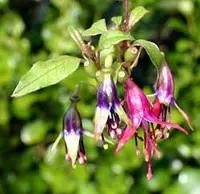
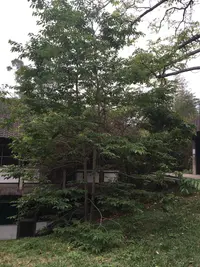
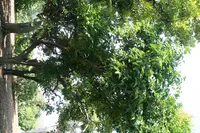
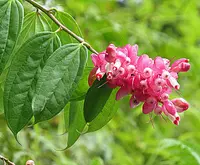
Tree fuchsia, Fuchsia excorticata, is an evergreen to semi-evergreen small tree or large shrub from New Zealand’s forests and coastal areas. It can form a rounded, branching canopy with attractive peeling bark and small, toothed leaves. Its hanging tubular flowers, usually in purple and red tones, are followed by dark, edible berries that attract birds. The species prefers cool, moist, sheltered conditions, with evenly damp, well-drained soil and mild temperatures. Tree fuchsia can grow outdoors year-round only in frost-free or mild climates, so protection is needed in colder regions. Understanding how to care for tree fuchsia starts with providing consistent moisture and avoiding hot, dry, exposed sites.

Care Difficulty
Moderate Care

Light Preference
Partial Shade

Water Requirements
Regular Water

Temperature Preference
Cool Climate

Hardiness Zone
8–10

Soil Texture
Loamy, Silty, Organic-rich

Soil pH
Acidic (5.5–6.5), Slightly acidic (6.5–7.0)

Soil Drainage
Moist but well-drained

Fertilization
Minimal (feed rarely)
Scan your plant to receive care tips personalized for your specific plant
Available on iOS and Android
This species prefers bright, soft light that mimics a forest edge or light woodland.
This plant prefers consistently moist, cool soil without becoming waterlogged.
This species is adapted to mild, maritime climates with cool summers and frost-sensitive growth.
This species prefers consistently moist air but adapts to typical outdoor humidity in mild climates.
Fuchsia excorticata prefers moist, well-drained, humus-rich soil that stays cool around the roots.
This species can be grown in containers when provided with a stable, moisture-retentive yet free-draining setup.
Nutrient needs for tree fuchsia are moderate, especially in containers or poor soils.
Fuchsia excorticata benefits from periodic structural pruning to maintain health and form.
This species is more often transplanted in the landscape than kept long term in containers.
Fuchsia excorticata is commonly propagated from cuttings or seeds for restoration and garden use.
This species is relatively cold hardy but benefits from simple winter care in cooler regions.

Plant Health Check
Not sure what's wrong with your plant? Check your plant's health inside the app.
This species is one of the few fuchsias that naturally grows as a medium to large tree rather than a shrub, reaching up to the lower canopy in New Zealand forests.
The trunk and branches develop a distinctive, flaking bark that peels in thin, papery strips to reveal orange to cinnamon-brown layers underneath, which is the origin of the species name excorticata, meaning stripped of bark.
Its dark red to purple tubular flowers produce abundant nectar and are primarily pollinated by native New Zealand birds such as tūī and bellbird, which are adapted to feed from the hanging blossoms.

Tree fuchsia produces edible dark purple to almost black berries, known as kōnini, which were traditionally eaten by Māori and also serve as an important seasonal food source for native forest birds.
This species performs best outdoors in mild, frost-free or light-frost climates, where it can develop full size and natural form. Indoors it generally declines over time due to low light, dry air, and restricted root space.
Keep your plants happy and healthy with plant identification, disease detection, and easy care guidance.