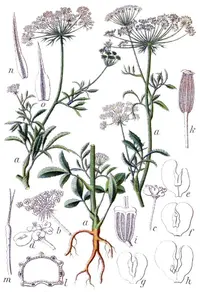
desert rosemallow Care (Hibiscus coulteri)

desert rosemallow

About desert rosemallow

Desert rosemallow (Hibiscus coulteri) is a small, drought-tolerant shrub native to arid regions of the southwestern United States and northern Mexico. It belongs to the mallow family and is adapted to hot, dry climates.

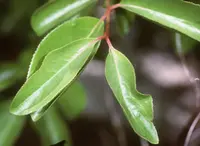
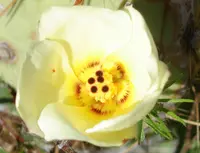
Plants form a compact, branching shape with gray-green leaves and pale yellow to cream, hibiscus-like flowers that open in warm weather. The flowers attract pollinators such as bees.

This species thrives in full sun, fast-draining, rocky or sandy soil, and low-moisture conditions, which makes it well suited to xeriscapes and water-wise gardens. Its strong drought tolerance and modest size usually make it easier to care for desert rosemallow than many tropical hibiscus species.

Main Plant Requirements

Care Difficulty

Easy Care

Light Preference

Full Sun

Water Requirements

Low Water

Temperature Preference

Warm Climate

Hardiness Zone

8–11

Soil Texture

Sandy, Loamy, Rocky

Soil pH

Neutral (7.0), Slightly alkaline (7.0–7.5)

Soil Drainage

Well-drained

Fertilization

Minimal (feed rarely)

Get Personalized Care Plan

Scan your plant to receive care tips personalized for your specific plant

Available on iOS and Android

How to Care for the desert rosemallow

Hibiscus coulteri thrives in strong sun typical of arid regions when light is introduced gradually.

  • Provide 6–8 hours of direct sun daily, ideally with morning sun and some light afternoon shade in very hot climates.
  • Plant in an open, unshaded spot; it tolerates brief partial shade but dense shade reduces flowering and causes leggy, weak growth in desert rosemallow.
  • In summer heat above 100°F (38°C), young plants benefit from filtered light during midafternoon to prevent leaf scorch, especially in reflective sites.

Watering for Hibiscus coulteri should mimic desert rainfall patterns with deep but infrequent soakings.

  • Outdoors in the ground, water only when the top 5–8 cm of soil is dry and leaves just begin to lose firmness, then soak the root zone thoroughly.
  • Use sharply draining, gritty soil; water should infiltrate quickly without pooling for more than 1–2 minutes to reduce root rot risk.
  • In cooler seasons reduce watering frequency, watching for wrinkled, drooping leaves as a sign of thirst, and yellowing, soft leaves as a sign of excess moisture.

This species prefers hot, dry conditions and tolerates a wide temperature range once established.

  • Optimal growing temperatures are 75–95°F (24–35°C), with good flowering and leaf development in warm, sunny sites.
  • Mature plants usually tolerate down to about 20–25°F (-7 to -4°C) if soil drains well, but young plants are more cold-sensitive and benefit from protection during frosts.
  • In extreme heat above 105°F (41°C), growth may slow; maintain soil moisture without waterlogging to help the plant tolerate prolonged hot spells.

This species tolerates dry air well but grows best with moderately low humidity.

  • Aim for 30–50% humidity, similar to arid outdoor conditions, rather than trying to create a tropical environment for desert rosemallow.
  • Leaves that curl, scorch at the edges, or drop suddenly in hot, still rooms can signal combined heat and low-humidity stress.
  • Increase humidity slightly by grouping plants, using a pebble tray with water below the pot base, or placing the plant in a less drafty, cooler bright spot.

Hibiscus coulteri prefers sharply drained, mineral soils that mimic desert washes.

  • Use a sandy or gravelly mix, such as 50–60% coarse sand or grit with the rest a lean cactus mix, to prevent water retention around roots.
  • Keep drainage very fast; water should run through within seconds, with no pooling on the surface or in the saucer.
  • Aim for slightly alkaline to neutral pH (7.0–8.0), avoiding peat-heavy blends that acidify and hold excess moisture.
  • Improve aeration by adding pumice or crushed gravel and avoid dense clay, heavy compost, or fine potting soils that compact over time.

This species can be grown in containers when drainage and root space are carefully managed.

  • Choose a deep, heavy pot that resists tipping, as the woody stems become tall and can catch wind on exposed patios.
  • Use a very fast-draining, gritty mix in a pot with multiple unobstructed drain holes so water never lingers at the base.
  • Place the container on pot feet or bricks outdoors to keep drain holes clear and prevent water from backing up into the root zone.

This desert-adapted shrub needs minimal feeding, but light fertilization can support flowering in poor soils.

  • In spring, apply a small amount of balanced slow-release fertilizer (around 8-8-8 or 10-10-10) at the drip line.
  • Use a light top-dressing of compost instead of heavy feeding on established plants.
  • During summer growth, one additional light feeding is enough; do not exceed label rates.
  • Skip fertilizer in fall and winter to avoid soft, frost-tender growth.

Thoughtful pruning keeps Hibiscus coulteri compact, healthy, and flowering well.

  • Prune in late winter or very early spring before new growth begins.
  • Remove dead, damaged, or crossing stems first to improve air flow and reduce disease risk.
  • Shorten long, leggy shoots to maintain a balanced, rounded shrub shape.
  • Use clean, sharp bypass pruners and make cuts just above outward-facing buds.

This desert shrub is usually grown in the ground, so focus on careful transplanting rather than frequent repotting.

  • Transplant in late winter or early spring when temperatures are mild and soil is workable.
  • Move plants only when rootbound in containers, growth stalls, or roots circle the pot base and drainage holes.
  • Choose a sunny site with sharply drained, gritty soil and plant at the same depth as before, firming soil gently.
  • Water deeply after transplanting, then allow the soil to dry between waterings to limit root stress and rot.

Hibiscus coulteri is most often propagated from seed, with cuttings as a secondary option.

  • Collect ripe seed pods in late summer and clean seeds once fully dry.
  • Sow seeds in spring in a fast-draining, sandy mix kept lightly moist at 70–80°F.
  • Scarify hard seed coats gently with sandpaper to improve germination rates.
  • For semi-hardwood cuttings, take pieces in late spring, use rooting hormone, and provide bright shade and low, steady moisture.

This desert shrub is fairly cold tolerant but benefits from some winter precautions in cooler regions.

  • Mature plants tolerate brief drops near 15–20°F when soils are dry and well drained.
  • In zones near its hardiness limit, add a 5–8 cm layer of dry mulch around the root zone in late fall.
  • Avoid winter watering on heavy or poorly drained soils to reduce root rot risk.
  • Container plants in cold climates should be moved to a bright, frost-free space until spring.

Care Tips

Encourage deep roots

Irrigate less often but for a longer duration during the first 1–2 growing seasons to encourage a deep root system that improves drought tolerance and anchorage.

Gravel mulch ring

Apply a 5–8 cm ring of coarse gravel or small rock around the base instead of organic mulch to reduce weed competition, keep the root collar dry, and still allow good air movement in arid climates.

Targeted storm support

In very windy sites, use a single low stake and a loose figure‑8 tie only during the first season so young stems flex slightly in storms but are protected from breakage.

Timed rejuvenation cuts

Every 3–4 years, remove 1–2 of the oldest woody stems at ground level in late winter to stimulate fresh, flowering wood without heavily shearing the entire plant.

Arid‑zone companioning

Plant with other low‑water desert shrubs that share similar root depth and spacing to create a stable microclimate and simplify irrigation scheduling when growing desert rosemallow.

Common Pests and Diseases

Hibiscus aphids

This pest forms dense colonies on young stems, leaves, and flower buds, sucking sap and causing distortion, sticky honeydew, and sooty mold growth in more humid areas.

Solution

Spray affected shoots with a firm stream of water to dislodge colonies, then treat remaining clusters with insecticidal soap or a ready-to-use neem oil spray, repeating weekly until populations stay low; encourage or protect natural predators such as lady beetles by avoiding broad-spectrum insecticides nearby.

Spider mites

These insects are actually tiny arachnids that thrive in hot, dry weather, causing stippled, grayish foliage, fine webbing on leaf undersides, and general leaf decline.

Solution

Rinse foliage thoroughly, focusing on leaf undersides, then use a horticultural oil or insecticidal soap labeled for mites every 5–7 days for several cycles; reduce heat stress and dust by occasional hosing and maintain plant vigor with appropriate watering for desert rosemallow care instructions.

Cotton root rot

This disease, caused by the soil fungus Aspergillus (formerly Phymatotrichopsis) omnivorus in alkaline, calcareous soils of the US Southwest, leads to sudden wilting, leaf browning, and plant death despite moist soil and otherwise good care.

Solution

Remove and destroy the entire affected plant and as many roots as possible, avoid replanting susceptible woody species in the same spot, and choose either resistant plants or install new desert rosemallow in a different, well-drained area outside known infested zones.

Leaf spot

Symptoms include small tan to dark brown lesions on leaves that may merge under extended monsoon humidity or overhead irrigation, sometimes causing partial defoliation on stressed plants.

Solution

Prune and discard the most affected leaves, water at soil level instead of overhead, improve spacing and airflow, and if the problem recurs in wet summers, apply a copper-based or chlorothalonil fungicide according to label directions at the first sign of spotting.

Scale insects

These insects appear as small, hard or dome-shaped bumps on stems and leaf veins, weakening the plant through chronic sap loss and sometimes leading to yellowing and twig dieback.

Solution

Gently scrape or wipe off light infestations with a cotton pad dipped in alcohol, then follow with a horticultural oil spray that thoroughly coats stems and leaf bases; repeat oil treatments after 7–10 days and trim out heavily encrusted twigs if necessary.

Interesting Facts

Desert-adapted shrub

This species is native to the Sonoran Desert of the US and northern Mexico and is naturally adapted to rocky, arid slopes and washes where many other hibiscus species cannot survive.

Pale yellow blossoms

Unlike the bright red or pink blooms of many hibiscus relatives, this plant produces soft pale yellow flowers with a dark maroon or purple eye that open during the day and close at night.

Pollinator support role

The flowers provide nectar and pollen for native solitary bees and other desert pollinators, making it an important resource in dry habitats with limited floral diversity.

Botan icon

Did you know?

Hibiscus coulteri was first formally described in the mid-19th century and is named in honor of the botanist Thomas Coulter, who collected plants extensively in Mexico and the southwestern United States.

FAQs about desert rosemallow

This shrub usually blooms in spring to early summer, often starting as temperatures warm and days lengthen. In favorable desert or dry garden conditions, flowering can continue off and on into early fall with periodic flushes.

Grow Healthy Plants with Botan Care

Keep your plants happy and healthy with plant identification, disease detection, and easy care guidance.


Botan plant care app — identify plants on mobile

Explore More Plants