Desert Columbine Care (Aquilegia shockleyi)

Desert Columbine

About Desert Columbine

Desert columbine (Aquilegia shockleyi) is a small, clumping perennial wildflower adapted to arid, rocky habitats of the southwestern United States. It typically forms low mounds of divided, bluish-green foliage with delicate, nodding flowers held above on slender stems.

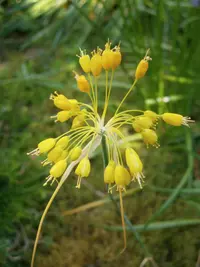
The flowers often show pale yellow to cream tones, sometimes with short spurs, giving a soft, understated look compared with many garden columbines. It naturally occurs in dry foothills and mountain slopes, where soils are gritty and well drained.

This species is moderately easy to grow if provided with sun, sharp drainage, and protection from heavy, persistent moisture. Gardeners who learn how to care for Desert Columbine usually find it long-lived and reliable in suitable climates.

Main Plant Requirements

Care Difficulty

Moderate Care

Light Preference

Full Sun

Water Requirements

Low Water

Temperature Preference

Cold Hardy

Hardiness Zone

5–8

Soil Texture

Sandy, Loamy, Rocky

Soil pH

Slightly acidic (6.5–7.0), Neutral (7.0)

Soil Drainage

Well-drained

Fertilization

Minimal (feed rarely)

Get Personalized Care Plan

Scan your plant to receive care tips personalized for your specific plant

Available on iOS and Android

How to Care for the Desert Columbine

This species prefers bright, cool conditions that mimic open mountain slopes.

  • Provide 4–6 hours of morning sun with light afternoon shade; in hotter regions, give filtered light after 11 a.m. to prevent leaf scorch on Desert Columbine.
  • Allow partial shade (dappled light under open trees), which often extends flowering and reduces stress in summer.
  • In cooler climates, it tolerates near full sun, but monitor for wilting, crispy leaf edges, or washed-out foliage as signs of excessive sun exposure.

Aquilegia shockleyi prefers consistently moist but never soggy soil, especially during active growth.

  • Water when the top 3–5 cm of soil feels dry, then soak the root zone deeply so moisture reaches at least 15–20 cm, supporting its taproot.
  • Ensure sharply draining, gritty or sandy soil so excess water moves away quickly; standing water or heavy clay greatly increases root rot risk.
  • In spring flowering, expect more frequent watering; reduce once temperatures drop, watching for drooping, dull leaves (too dry) versus yellowing, mushy growth (too wet).

This plant is adapted to cool to warm, dry climates with marked temperature swings.

  • Active growth is best around 55–75°F (13–24°C); flowering is often strongest with cool nights near 45–55°F (7–13°C).
  • Established plants tolerate winter lows near 0°F (-18°C) under dry, well-drained conditions, but prolonged freeze-thaw in wet soil can damage roots.
  • In hot summers, it endures brief spikes to 90–95°F (32–35°C) if soil is slightly moist and roots are shaded; extended extreme heat can shorten bloom and stress foliage.

This species handles typical outdoor humidity well and rarely needs special humidity management.

  • Performs reliably in 30–60% humidity, matching most arid to semi-arid garden conditions where Desert Columbine naturally occurs.
  • Tolerates dry air if soil moisture is stable, but extended drought plus hot, very dry wind can crisp leaf edges.
  • Humidity stress shows as browning leaf margins and faster flower fade; improve conditions mainly by mulching and shading roots rather than misting.

Aquilegia shockleyi prefers loose, well-drained, mineral-rich soil that never stays saturated.

  • Use a sandy or gravelly loam with 20–40% coarse sand or grit plus modest compost to mimic rocky slopes.
  • Aim for slightly acidic to neutral pH, around 6.0–7.2, avoiding highly alkaline or salty substrates.
  • Improve drainage and aeration by blending composted bark, pumice, or perlite so water drains within a few minutes after thorough watering.
  • Avoid heavy clay, peat-heavy mixes, or sites where water pools, since persistently wet soil encourages root and crown rot.

This species can grow in containers if the pot mimics its naturally sharp-draining, rocky conditions.

  • Choose a deep, relatively narrow container to accommodate a taproot while limiting excess wet surface soil.
  • Fill the pot with a gritty mix and a 3–5 cm layer of coarse gravel at the bottom to speed water exit without waterlogging the crown.
  • Use unglazed terracotta or other porous material so the root zone dries predictably between waterings, especially after cool nights.

This desert columbine is adapted to lean soils and needs only light feeding in cultivation.

  • Use a balanced, slow-release fertilizer or a thin layer of compost in early spring as new growth starts.
  • Apply at half the label strength to avoid forcing weak, lush growth unsuited to dry conditions.
  • Feed once per growing season; in very poor soil, a second light dose in midsummer is enough.
  • Stop feeding Aquilegia shockleyi in late summer so plants can harden off before winter dormancy.

Pruning Aquilegia shockleyi is simple and helps maintain a tidy clump and steady flowering.

  • Cut spent flower stems back to the foliage after blooming to encourage a neater appearance and possible light rebloom.
  • Remove dead, damaged, or diseased leaves whenever noticed, using clean, sharp scissors or hand pruners.
  • In late fall or very early spring, shear back old, tatty foliage to just above the crown to promote fresh growth.
  • Thin crowded stems lightly to improve air movement and reduce fungal disease risk in humid periods.

This species is usually grown in the ground, so focus on careful transplanting rather than frequent repotting.

  • Transplant in early spring or early fall, when temperatures are mild and moisture is more consistent.
  • Move plants only when needed, such as overcrowding or decline in flowering, since Desert Columbine dislikes root disturbance.
  • Lift with a generous soil ball, keeping the taproot as intact as possible to limit transplant shock.
  • Water deeply after transplanting, then keep soil evenly moist but not waterlogged until new growth shows stable establishment.

Aquilegia shockleyi is mainly propagated from seed, with division used sparingly because of its taproot.

  • Sow fresh seed in late summer or fall outdoors, allowing natural winter chilling to break dormancy.
  • For indoor sowing, provide 4–6 weeks of cold stratification at 35–40°F before moving trays to 60–68°F light.
  • Use a well-drained seed mix, keep it just moist, and provide bright, indirect light for germination.
  • Divide only young clumps in early spring, slicing off small side pieces with roots and replanting them promptly.

This cold-hardy perennial usually needs little special winter attention in typical temperate climates.

  • After hard frost, cut back withered foliage to a few cm above the crown to reduce disease carryover.
  • Apply a light, dry mulch layer 3–5 cm deep over the root zone in colder regions to buffer freeze–thaw cycles.
  • In containers, move pots to a sheltered, unheated spot and prevent waterlogging to protect roots from severe freezing.

Care Tips

Mulch For Cool Roots

Apply a 3–5 cm layer of fine gravel or crushed rock around the crown to keep roots cool, suppress weeds, and mimic the plant’s natural rocky habitat without holding excess moisture against the stems.

Encourage Self‑Seeding

Leave some spent flower stalks to mature and drop seed in late summer, then gently rake the soil surface to improve seed-to-soil contact and maintain a self-renewing colony without frequent replanting.

Protect From Spring Splash

Use gravel mulch and avoid overhead watering during cool spring weather to reduce soil splash on leaves, which helps limit foliar fungal issues that can shorten the blooming period when growing Desert Columbine.

Support In Windy Sites

In exposed locations, place discreet low wire hoops or small twiggy branches around clumps early in the season so tall, delicate flower stems have support before strong winds arrive.

Rotate Planting Spots

When clumps decline after several years, allow seedlings to establish in nearby fresh ground instead of replanting in the exact same spot, which helps reduce soil-borne disease and maintains vigorous, youthful plants.

Common Pests and Diseases

Leaf miners

This pest lives inside the leaves and feeds between the surfaces, creating winding, pale tunnels that distort the foliage and reduce flowering over time.

Solution

Remove and destroy mined leaves as soon as damage is seen, then use a targeted systemic insecticide or spinosad product labeled for leaf miners, applied according to label directions. Avoid overhead watering that keeps foliage wet, and keep plants vigorous with moderate, not excessive, fertilization to help them outgrow light damage.

Powdery mildew

This disease causes a white, powdery film on leaves and stems, often starting on lower or shaded foliage and leading to yellowing, distortion, and early leaf drop in dry but crowded conditions.

Solution

Increase spacing and airflow around plants, avoid overhead watering, and remove heavily infected leaves to reduce spore levels. For recurring issues, use a sulfur, potassium bicarbonate, or horticultural oil product labeled for powdery mildew, applied early at the first signs of infection and repeated as directed.

Rust

This disease produces small yellow spots on upper leaf surfaces with orange or brown pustules underneath, leading to thinning foliage and reduced vigor in cool, moist periods.

Solution

Promptly remove and discard infected leaves and any fallen debris to reduce reinfection, and water at soil level to keep foliage dry. In areas with persistent rust problems, apply a copper-based or other labeled fungicide as a preventive spray when new growth emerges, following label intervals.

Aphids

These insects cluster on tender stems and flower stalks, sucking sap and causing curled or sticky leaves due to honeydew deposits that can also support sooty mold growth.

Solution

Dislodge colonies with a strong stream of water and pinch off heavily infested tips, then introduce or conserve natural predators such as lady beetles by avoiding broad-spectrum insecticides. If populations remain high, use insecticidal soap or a light horticultural oil thoroughly on stems and undersides of leaves, repeating every 5–7 days as needed.

Slugs and snails

These pests chew irregular holes in leaves, often overnight, and leave shiny slime trails on or around the plant, especially in cool, moist conditions and dense mulch.

Solution

Hand-pick slugs and snails in the evening or early morning, and reduce hiding spots by thinning mulch and plant debris around clumps. In problem sites, use iron phosphate slug bait placed around, not on, the plants, and combine with copper barriers or traps to protect young foliage, which is most vulnerable when caring for Desert Columbine.

Interesting Facts

Mojave Desert specialist

This species is native to the eastern Mojave Desert of California and Nevada, where it grows on dry, rocky slopes and open scrub rather than in the moister mountain or woodland habitats preferred by many other columbines.

Distinctive yellow flowers

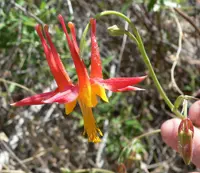
Its nodding, pale yellow to cream flowers with short spurs contrast with the red or blue flowers typical of many columbine relatives, helping botanists recognize it quickly in the field.

High-elevation tolerance

Populations often occur at higher desert elevations, showing good tolerance to cold nights, intense sun, and large daily temperature swings that would stress many other flowering perennials.

FAQs about Desert Columbine

Lack of blooms usually comes from too much shade, nutrient‑rich soil causing leafy growth, or heat and drought stress during bud formation. Avoid heavy fertilizing, keep soil slightly lean, and ensure moderate light for reliable flowering.

Grow Healthy Plants with Botan Care

Keep your plants happy and healthy with plant identification, disease detection, and easy care guidance.

Botan plant care app — identify plants on mobile

Explore More Plants