Great masterwort Care (Astrantia major)

Also known as: greater masterwort
Great masterwort

About Great masterwort

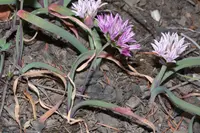
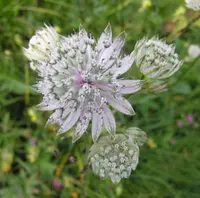
Great masterwort (Astrantia major) is a clump-forming perennial valued for its finely divided, toothed foliage and distinctive starry flower heads. Each flower cluster sits on slender stems above the leaves, giving a light, airy look in mixed borders. Native to moist meadows and woodland edges in central and eastern Europe, it thrives in cool, temperate climates. The plant prefers consistently moist, well-drained soil and partial shade, which makes it well suited to woodland or cottage-style gardens. Once established, it is fairly resilient and long-lived, but needs regular moisture to perform well. Understanding how to care for Great masterwort helps maintain strong growth and repeat flowering over many seasons.

Main Plant Requirements

Care Difficulty

Moderate Care

Light Preference

Partial Shade

Water Requirements

Keep Soil Moist

Temperature Preference

Cold Hardy

Hardiness Zone

4–7

Soil Texture

Loamy, Silty, Organic-rich

Soil pH

Acidic (5.5–6.5), Slightly acidic (6.5–7.0)

Soil Drainage

Moist but well-drained

Fertilization

Light (every 4–6 weeks)

Get Personalized Care Plan

Scan your plant to receive care tips personalized for your specific plant

Available on iOS and Android

How to Care for the Great masterwort

Astrantia major prefers cool conditions with soft, filtered light rather than strong, direct sun.

  • Provide 3–5 hours of morning sun with light or dappled shade from midday onward, especially in summer.
  • In hot climates, choose a site with bright shade or high, open tree cover to prevent leaf scorch and flower fade from intense afternoon sun.
  • If stems stretch or flowering declines, move divisions to a brighter spot with partial sun, adjusting gradually over 1–2 weeks to avoid shock when caring for Great masterwort.

Astrantia major performs best in consistently moist, not waterlogged, soil.

  • Aim for soil that feels evenly damp, allowing only the top 2–3 cm to dry slightly between waterings during active growth.
  • In summer, increase watering during hot, dry spells and mulch 5–7 cm deep to slow evaporation and stabilize moisture.
  • Watch for drooping, crisp leaf edges as a sign of underwatering, and yellowing, limp growth or a sour smell in soil as early signs of overwatering.

This perennial prefers cool to mild conditions and tolerates winter cold quite well.

  • Optimal growth occurs around 60–75°F (16–24°C), with steady flowering when combined with consistent soil moisture.
  • Mature plants withstand winter lows near 0°F (-18°C) with mulch, dying back above ground and resprouting in spring.
  • Heat above 85°F (29°C), especially with full sun and dry soil, can cause wilting and shorter flowering, so provide shade and extra water during hot spells.

Astrantia major prefers moderately moist air but usually adapts to typical outdoor humidity levels.

  • Aim for 50–70% humidity, which is commonly found in shaded garden areas or near other perennials.
  • It tolerates short dry-air periods but may show humidity stress as crisp leaf edges and slower growth in hot, exposed spots.
  • Increase local humidity by mulching the root zone and grouping Great masterwort with other plants to reduce evaporation around the foliage.

Astrantia major performs best in consistently moist, fertile, and well-aerated soil.

  • Use a deep, loamy soil rich in organic matter, combining garden soil with 30–40% compost or well-rotted leaf mold.
  • Ensure moisture-retentive yet free-draining conditions; avoid compacted or waterlogged sites that cause root decline.
  • Aim for slightly acidic to neutral pH, roughly 6.0–7.0, which supports nutrient uptake and healthy flowering.
  • Improve aeration and drainage by working in coarse sand or fine grit in heavier clay, especially on planting ridges or raised beds.

This species can be grown in containers, but it needs careful moisture and space management.

  • Choose a deep, wide container to accommodate its fibrous root system and prevent rapid drying of the root zone.
  • Select a heavier material pot, such as ceramic or clay, to keep the plant stable and reduce overheating in full sun.
  • Use a moisture-retentive yet draining mix and stand the pot in partial shade to limit fast evaporation from the container sides.

Astrantia major is a modest feeder that benefits from light, consistent nutrition in well-prepared soil.

  • In early spring, mix in a thin layer of garden compost or well-rotted manure around the clumps.
  • Use a balanced, slow-release or liquid fertilizer (around 10-10-10) at half strength every 4–6 weeks during active growth.
  • Avoid high-nitrogen feeds that promote soft, leafy growth at the expense of flowers on Great masterwort.
  • Stop feeding in late summer so plants harden off naturally before winter dormancy.

Astrantia major responds well to light, timely pruning that maintains flowering and a tidy clump.

  • Deadhead spent flower stems in summer by cutting them back to the base to encourage repeat bloom.
  • In late autumn or very early spring, remove dead, damaged, or weak stems with clean hand pruners.
  • Thin congested growth by taking out a few crowded stems at ground level to improve air flow and reduce disease risk.
  • Cut all old foliage down close to the crown before new shoots emerge, keeping the plant compact and fresh.

This perennial is most often grown in the ground, so focus on occasional division and careful transplanting rather than frequent repotting.

  • Plan transplanting or division in early spring or early fall when growth is slow and conditions are cool and moist.
  • Look for signs such as congested crowns, reduced flowering, or roots circling a container if grown in a pot.
  • Lift clumps with a fork, gently shake off soil, and divide into sections with several buds and healthy roots each.
  • Replant divisions at the same depth, water thoroughly, and keep evenly moist for several weeks to limit root stress.

Astrantia major is commonly propagated by division for reliable results, with seed used mainly for raising new strains.

  • Divide established clumps in early spring or early fall, when soil is moist and temperatures are mild.
  • Use a sharp spade or knife to split the crown into sections, each with strong buds and a good root portion.
  • Replant divisions promptly at original depth, firm soil gently, and water well to keep roots evenly moist while establishing.
  • For seeds, sow fresh in trays outdoors in fall to allow natural cold stratification, then grow on seedlings in light shade.

This perennial is generally cold hardy in much of the US and needs only modest winter care once established.

  • After hard frost, cut back dead stems to a few cm above the crown to reduce disease carryover.
  • Apply a 5–7 cm layer of organic mulch around the root zone in late fall, keeping it just clear of the crown.
  • In very cold or exposed sites, mulch slightly thicker, and consider a windbreak to limit freeze–thaw stress on crowns.
  • Container plants are more vulnerable; move pots into a sheltered, unheated space where soil stays just above freezing.

Care Tips

Mulch for Cool Roots

Apply a 3–5 cm layer of fine organic mulch around the clumps each spring to keep roots cool, conserve moisture, and extend the flowering period.

Deadhead With Stagger

Cut spent flower stems down to the base every 7–10 days during peak bloom to encourage a longer flowering season and keep the clumps tidy.

Lift and Split Crowns

Every 3–4 years in early spring or early fall, lift crowded clumps and divide them into smaller sections with at least 3–5 healthy buds to maintain vigor and flower quality.

Support Heavy Blooms

In windy or exposed sites, place low ring supports or discreet twigs around plants in early spring so the stems grow through and remain upright when in full flower.

Shade Roots In Heat

In hotter regions, underplant with low groundcovers or place flat stones around the base to shade the root zone, which helps when growing Great masterwort in warmer summers.

Common Pests and Diseases

Astrantia leaf spot

This disease causes small purple, brown, or tan spots on leaves that can merge into larger dead patches, especially in damp weather. Symptoms include premature yellowing and dropping of older foliage.

Solution

Remove and discard affected leaves to reduce spread, and avoid overhead watering so foliage dries quickly. Improve air circulation around plants, thin crowded clumps, and if outbreaks are severe, use a labeled copper-based or chlorothalonil fungicide applied according to Astrantia major care instructions.

Powdery mildew

This disease appears as a white or gray powdery coating on upper leaf surfaces and sometimes on stems and flower bracts. Symptoms include distorted growth and early leaf drop in dry conditions with high humidity.

Solution

Cut off and dispose of heavily infected leaves, then increase airflow by spacing plants and removing surrounding dense growth. Water at soil level, avoid excess nitrogen fertilizer, and use a sulfur or potassium bicarbonate fungicide if needed, starting at the first sign of infection.

Downy mildew

This disease causes pale yellow or light green angular patches on leaves with a gray or purplish fuzz on the underside in moist, cool conditions. Symptoms include leaf curling, browning, and early dieback of foliage.

Solution

Remove and discard infected leaves and plant debris, and water early in the day so leaves dry quickly. Improve drainage and air movement, avoid overhead watering during cool, humid periods, and use a phosphonate or copper fungicide if the problem persists year to year.

Slugs and snails

These pests chew irregular holes in leaves and young shoots, often leaving only midribs on tender growth. This pest is most active at night and in damp, shaded beds where Astrantia often grows.

Solution

Hand-pick slugs and snails in the evening, use iron phosphate bait around clumps, and reduce hiding spots such as dense mulch or boards on the soil surface. Copper tape barriers around small plantings or containers can further protect plants from damage.

Leaf aphids

These insects cluster on soft stems and flower stalks, sucking sap and causing curling, distortion, and sticky honeydew on foliage. Symptoms include sooty mold growth on leaves where honeydew accumulates and reduced vigor in heavy infestations.

Solution

Spray plants with a strong stream of water to dislodge aphids, then treat remaining colonies with insecticidal soap or neem oil, covering stems and leaf undersides. Encourage natural predators such as lady beetles, and avoid high nitrogen feeding that promotes lush, aphid-prone growth.

Interesting Facts

Umbel within an umbel

The flowering head forms a compound structure where a tight central umbel of tiny flowers is surrounded by a star-shaped ring of bracts, creating the appearance of a flower inside another flower.

Specialist pollinator support

Its long-lasting summer blooms provide accessible nectar and pollen for a wide range of insects, including hoverflies and solitary bees that benefit from the shallow, open flowers.

Natural mountain meadow native

This species is naturally found in moist, partially shaded meadows and woodland clearings across central and eastern Europe, where it is adapted to cool summers and consistent soil moisture.

Botan icon

Did you know?

Historical herbals from central Europe described this species as a plant of upland pastures and forest edges as early as the 16th century, and it has since become a classic feature in traditional cottage-style gardens in cooler regions.

FAQs about Great masterwort

Insufficient light, dry soil, or excessive nitrogen fertilizer commonly reduce flowering. Crowded clumps also bloom poorly. Divide every few years, keep soil evenly moist, and avoid overfeeding with high‑nitrogen products to restore flower production.

Grow Healthy Plants with Botan Care

Keep your plants happy and healthy with plant identification, disease detection, and easy care guidance.

Botan plant care app — identify plants on mobile

Explore More Plants