Ithuriel's spear Care (Triteleia laxa)

Also known as: Common Triteleia, Triplet lily, Wally Baskets
Ithuriel's spear

About Ithuriel's spear

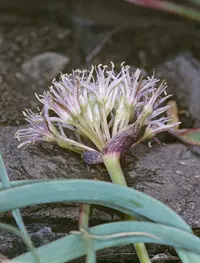
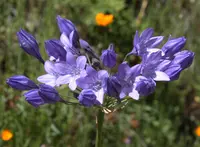
Ithuriel's spear, Triteleia laxa, is a small bulbous perennial from western North America, especially California grasslands and open woodland edges. It forms slender, upright stems above a low clump of narrow, grasslike leaves.

At the top of each stem, loose clusters of star-shaped blue to violet flowers appear in late spring to early summer, giving a light, airy look. The plant naturally grows in areas with wet winters and dry summers.

Its dormancy after flowering and tolerance of summer dryness make it relatively simple to manage in suitable climates. Gardeners who learn how to care for Ithuriel's spear usually find it a reliable and undemanding bulb in sunny, well-drained sites.

Main Plant Requirements

Care Difficulty

Easy Care

Light Preference

Full Sun

Water Requirements

Low Water

Temperature Preference

Cool Climate

Hardiness Zone

6–10

Soil Texture

Sandy, Loamy, Rocky

Soil pH

Slightly acidic (6.5–7.0), Neutral (7.0)

Soil Drainage

Well-drained

Fertilization

Minimal (feed rarely)

Get Personalized Care Plan

Scan your plant to receive care tips personalized for your specific plant

Available on iOS and Android

How to Care for the Ithuriel's spear

Triteleia laxa prefers bright, open conditions to produce strong flowering stems and full clusters of blooms.

  • Provide full sun for 6–8 hours per day; light afternoon shade is helpful in very hot, dry climates to reduce stress on Ithuriel's spear.
  • Site plants in an open position with unfiltered morning sun; avoid dense shade, which causes weak, floppy growth and fewer flowers.
  • In spring and early summer, maximize sun exposure, but monitor for leaf scorch during heatwaves and give light shade if foliage turns pale or crispy.

Triteleia laxa grows from corms and prefers soil that dries slightly between waterings, especially outside the main growing season.

  • During active growth in spring, water when the top 3–5 cm of soil feels dry, allowing excess to drain freely to avoid corm rot.
  • Reduce watering sharply after flowering; once foliage yellows and dies back, keep soil almost dry, supplying only occasional light moisture in very dry climates.
  • Watch for signs of stress: limp, folding leaves indicate underwatering, while yellowing, mushy bases or a sour soil smell indicate overwatering and poor drainage.

This cormous perennial prefers mild, dry-summer conditions and tolerates a reasonable range of garden temperatures.

  • Optimal growth occurs in cool to mild conditions around 60–75°F (16–24°C) during spring, when leaves and flower stems develop.
  • Dormant corms tolerate winter down to about 20°F (-7°C) in well-drained soil; in colder regions, lift and store them frost-free or provide deep mulch.
  • Plants handle dry summer heat up to about 90–95°F (32–35°C) if soil is not waterlogged, but flowering declines in prolonged extreme heat or humidity.

This bulb is adapted to dry-summer climates and usually does not need special humidity management indoors or outdoors.

Triteleia laxa grows best in light, fast-draining soil that stays relatively dry in summer dormancy.

  • Use a sandy or gritty loam with 30–50% mineral grit such as coarse sand, fine gravel, or pumice to prevent waterlogging.
  • In heavy native clay, plant on a low mound or raised bed and mix in sharp sand and grit to improve aeration and drainage.
  • Aim for slightly acidic to neutral pH (6.0–7.0); avoid strongly acidic or alkaline sites that can limit nutrient uptake.
  • Do not plant where water stands after rain; bulbs rot quickly in sites that stay wet through winter or spring.

This species is well suited to container growing, especially in regions with wet winters or heavy soils.

  • Choose a deep pot (at least 20–25 cm) so bulbs can sit 7–10 cm below the surface without crowding the base.
  • Use a heavy or terracotta container if winds are strong, as the tall flowering stems can make the pot top-heavy.
  • Elevate the pot on feet or bricks so drainage holes never sit in a saucer of water after rain or irrigation.

Triteleia laxa grows well in modest soils and benefits from light feeding rather than heavy fertilization.

  • Apply a balanced, all-purpose fertilizer (around 10-10-10) at half strength once in early to mid spring as growth starts.
  • Use a thin layer of compost around the clumps to enrich soil without overfeeding bulbs.
  • Avoid additional fertilizer after flowering, as plants enter dormancy and excess nutrients can weaken bulbs.
  • In containers, consider a slow-release balanced fertilizer in spring, following the lower end of label rates for Ithuriel's spear.

Triteleia laxa needs minimal pruning, mainly to keep the clump tidy and support future flowering.

  • After flowering, deadhead spent flower stalks using clean scissors or hand pruners to reduce self-seeding and tidy appearance.
  • Allow foliage to yellow and dry naturally before removing; this lets bulbs store energy for next year’s blooms.
  • Cut away any damaged, diseased, or flattened leaves at the base during the growing season to improve air flow.
  • Avoid cutting green foliage hard or shaping the plant, as this offers no benefit and may weaken bulb reserves.

This bulbous perennial is usually grown in the ground, with transplanting focused on dividing crowded clumps rather than frequent repotting.

  • Plan to lift and divide clumps every 3–5 years if flowering declines, stems thin out, or bulbs push toward the soil surface.
  • Transplant or divide in late summer to early fall, when foliage has fully died back and bulbs are dormant.
  • Gently lift bulbs with a fork, separate offsets by hand, and replant at similar depth in well-drained soil to reduce root stress.
  • Water lightly after replanting, then keep soil just barely moist until new growth appears in the next growing season.

This species is commonly propagated by seed and by dividing bulbs or offsets to expand plantings.

  • Divide mature clumps in late summer to early fall, separating firm, healthy bulbs and offsets for replanting at original depth.
  • Sow fresh seeds in fall in trays or directly outdoors; cool winter conditions help break dormancy and improve germination.
  • Use a sharply draining mix, keep lightly moist but never waterlogged, and provide bright, indirect light for young plants.
  • Label seed-grown plants, as flowering may take 2–3 years and seedling traits can vary slightly from the parent clump.

Triteleia laxa is reasonably cold hardy in many mild-winter regions but benefits from simple winter care in colder areas.

  • In USDA zones around 7–10, bulbs usually overwinter in the ground without additional protection if soil drains well.
  • In colder climates or exposed sites, apply a 5–7 cm mulch layer after soil cools to insulate the bulb zone.
  • For containers, move pots into a sheltered, frost-free but cool spot and keep soil just barely moist through winter.

Care Tips

Mark Dormant Clumps

Place small, durable labels where the bulbs grow before foliage dies back so you can avoid disturbing the clumps when digging or replanting nearby plants in summer and fall.

Use Bulb Baskets

Plant bulbs in open-mesh bulb baskets or shallow nursery pots sunk into the ground to simplify lifting, dividing, and protecting corms from rodents without restricting root growth.

Staggered Planting Depth

Plant some corms 2–3 cm deeper than others in the same area to slightly stagger flowering times and extend the overall display period.

Allow Self‑Seeding Zones

Designate one bed or border edge where seed heads can mature and drop naturally, then mark and lightly weed around emerging seedlings in the following season to build up a naturalized drift over time while keeping other beds tidy.

Post‑Bloom Nutrition Boost

After flowering, apply a light topdressing of compost around, not on top of, the foliage to provide a slow nutrient supply that supports corm development for the next year, which is especially helpful when caring for Ithuriel's spear in the same site long term.

Common Pests and Diseases

Bulb mites

This pest attacks the corms, feeding on stored tissues and creating tiny brown pits that can lead to weak shoots or poor flowering. Symptoms include stunted growth, distorted leaves, and corms that feel soft or flaky when inspected.

Solution

Discard badly infested corms, then clean and dry the remaining healthy corms before storage. Rotate planting sites, avoid reusing infested soil, and use a hot water treatment (about 110–120°F for 10–15 minutes) on dormant corms if infestations are recurring, then dry them thoroughly before replanting.

Narcissus bulb fly

This pest lays eggs at the neck of the corm, and the larvae tunnel inside, hollowing out the corm and causing sudden collapse or failure to sprout. Symptoms include wilted foliage that pulls away easily and corms that are tunneled out or filled with a single large white maggot.

Solution

Remove and destroy any infested plants and corms as soon as damage is noticed. In regions where this fly is common, cover planting areas with fine mesh during the main egg‑laying period and plant corms slightly deeper to make access for the fly more difficult.

Botrytis blight

This disease is caused by a fungus that thrives in cool, damp conditions, leading to spotting on leaves and flowers and sometimes a gray, fuzzy mold on affected tissue. Symptoms include water‑soaked lesions that turn brown and may cause flower buds or stems to collapse.

Solution

Remove and dispose of affected leaves, flowers, and plant debris to reduce spore levels, and avoid overhead watering that keeps foliage wet. Improve spacing and airflow around clumps, and in severe or recurring cases use a labeled ornamental bulb fungicide during cool, wet weather according to product directions.

Corm basal rot

This disease causes a dry, sunken rot at the base of the corm, often starting where roots emerge, leading to poor emergence in spring and yellowing or collapse of foliage. Symptoms include brown, corky tissue at the corm base and sparse, weak roots.

Solution

Dig up affected plants, discard rotted corms, and avoid replanting in the same spot for several years. Plant only firm, healthy corms in well‑drained soil, avoid overwatering in heavy soils, and consider a preventive bulb fungicide dip on dormant corms if the problem has occurred before.

Interesting Facts

Volcanic soil specialist

This species is native to grasslands and open woodlands of California and southern Oregon, where it often grows on well-drained, sometimes rocky or volcanic soils derived from old lava flows.

Seasonal dormancy strategy

It survives the long, dry Mediterranean-type summers by retreating into an underground corm, remaining completely dormant until cool, moist conditions trigger new growth in late fall or winter.

Specialist native pollinators

In its native range, the funnel-shaped blue flowers are frequently visited by native solitary bees and small wasps, which can be more effective pollinators than generalist honeybees due to their body size and foraging behavior.

Botan icon

Did you know?

The genus name Triteleia refers to the number three, and this species shows that pattern clearly: its flower parts are arranged in groups of three, including 6 tepals and 6 stamens organized in two whorls of 3, reflecting its placement in the asparagus order (Asparagales).

FAQs about Ithuriel's spear

Lack of flowers usually comes from insufficient winter chill, overcrowded bulbs, or too much shade. Ensure a cool, dry dormant period, divide congested clumps every few years, and maintain a sunny, open planting site for reliable flowering.

Grow Healthy Plants with Botan Care

Keep your plants happy and healthy with plant identification, disease detection, and easy care guidance.

Botan plant care app — identify plants on mobile

Explore More Plants