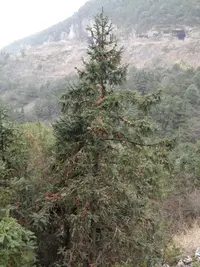
white cypress-pine Care (Callitris columellaris)

Also known as: Cypress Pine, Murray River Pine, Northern Cypress-pine, Western Cypress, Western Sand Cypress, White Pine, Coastal Cypress Pine, Murray Pine
white cypress-pine

About white cypress-pine

White cypress-pine (Callitris columellaris) is a slow-growing, evergreen conifer native to arid and semi-arid regions of Australia. It typically forms a narrow, upright tree with dense, fine foliage and small, rounded cones.

In nature it grows on poor, sandy or stony soils and tolerates heat, drought, and wind, which makes it robust in dry landscapes. However, it dislikes waterlogged conditions and persistent high humidity, so successful growers pay close attention to drainage when they care for white cypress-pine.

This species prefers full sun and open exposure. Its natural toughness suits low-maintenance planting, but it responds poorly to heavy pruning or frequent root disturbance, so it is better for permanent positions than for containers.

Main Plant Requirements

Care Difficulty

Moderate Care

Light Preference

Full Sun

Water Requirements

Low Water

Temperature Preference

Warm Climate

Hardiness Zone

9–11

Soil Texture

Sandy, Loamy, Rocky

Soil pH

Slightly acidic (6.5–7.0), Slightly alkaline (7.0–7.5)

Soil Drainage

Well-drained

Fertilization

Minimal (feed rarely)

Get Personalized Care Plan

Scan your plant to receive care tips personalized for your specific plant

Available on iOS and Android

How to Care for the white cypress-pine

This species thrives in open, bright conditions similar to its native woodland and scrub habitats.

  • Provide 6–8 hours of direct sun daily; full sun is ideal, especially in open landscapes and windbreaks for white cypress-pine.
  • It tolerates light partial shade, but prolonged shade causes sparse, open growth and reduced density of foliage.
  • In very hot inland summers, young plants benefit from light afternoon shade or filtered light to reduce leaf scorch and moisture stress.

This drought-tolerant conifer prefers deep, infrequent watering once established.

  • Allow the top 5–8 cm of soil to dry before watering; soil should feel dry but not powdery when checked by hand.
  • In the first 1–2 years, water thoroughly after planting, then when foliage begins to dull slightly or lower leaves lose turgor, especially in dry spells.
  • Ensure sharply drained, sandy or loamy soil; persistent wetness, sour smell, or yellowing, dropping foliage indicates overwatering and poor aeration.

This species is adapted to warm, dry climates but tolerates a broad temperature range once established.

  • Optimal growth occurs around 65–85°F (18–29°C), with steady performance in mild, low-humidity climates.
  • Mature trees can survive brief drops near 20°F (−6°C), but young plants are safer above 25°F (−4°C), especially in exposed sites.
  • It endures hot summers up to about 100°F (38°C) if soil is not waterlogged; extended hard frosts or freeze–thaw cycles can damage fine roots and new growth.

This species handles dry air well and rarely needs special humidity management indoors or outdoors.

This conifer prefers mineral, freely draining soil that mimics its native dry habitats.

  • Use sandy or sandy-loam soil with low to moderate organic matter to prevent water retention around the roots.
  • Aim for slightly acidic to neutral pH, roughly 6.0–7.5, which suits Callitris columellaris in most garden or container settings.
  • Improve drainage and aeration by blending coarse sand and fine gravel or pumice into any standard sandy base mix.
  • Avoid heavy clay, compacted, or waterlogged substrates, which greatly increase the risk of root rot and decline.

This species can be grown in containers when young or kept small, but long-term cultivation demands careful pot choice and placement.

  • Choose a deep, heavy pot to balance the tall, columnar form and reduce tipping in strong wind.
  • Select a container material like thick clay that slightly reduces moisture retention compared with plastic but provides weight for stability.
  • Raise the pot on feet or bricks so drainage holes clear the ground and excess water exits quickly after heavy rain.

This drought-adapted conifer usually needs minimal feeding, especially when grown in the ground in lean, well-drained soil.

  • For young or container-grown white cypress-pine, apply a slow-release, balanced NPK fertilizer at half strength once in early spring.
  • Optionally supplement with a thin layer of well-rotted compost around the drip line, keeping it away from the trunk.
  • Avoid fertilizing in late fall and winter to prevent tender, frost-sensitive growth and to respect natural dormancy.
  • Do not overfeed; excess nutrients encourage weak, elongated shoots and may reduce long-term resilience.

Pruning Callitris columellaris is usually light and corrective, focused on safety, structure, and maintaining a natural form.

  • Carry out pruning in late winter to early spring before active growth, avoiding very hot or dry periods.
  • Remove dead, diseased, or storm-damaged branches with clean, sharp bypass pruners or a saw.
  • Thin out crossing or crowded interior shoots slightly to improve airflow while keeping the columnar outline.
  • Do not cut back into bare, brown wood, as old conifer branches often fail to reshoot from leafless sections.

This species is most often planted directly in the landscape; container-grown plants are usually temporary before transplanting.

  • Look for roots circling the pot drainage holes, tipping risk, or stalled growth as signs the plant is outgrowing its container.
  • Transplant Callitris columellaris in late winter or early spring, when soil is workable and heat stress is low.
  • Aim to move young trees every 1–2 years at most, shifting into only 1 pot size larger or into a permanent ground site.
  • Minimize root stress by watering thoroughly before and after planting, keeping the root ball intact, and shading from intense sun for 1–2 weeks.

Propagation is possible mainly from seed, with cuttings used less often and requiring more controlled conditions.

  • Collect ripe cones, dry them, and extract seeds; sow in late winter to early spring in a free-draining, sandy mix.
  • Provide bright light, 65–75°F temperatures, and consistent but light moisture to encourage even germination.
  • For semi-hardwood cuttings, take non-flowering shoots in late summer, use rooting hormone, and place in high-humidity, well-aerated media.
  • Keep young seedlings or rooted cuttings sheltered from intense midday sun and heavy frost during their first year.

Mature Callitris columellaris is fairly cold tolerant in mild-winter regions and usually requires little special winter care in the ground.

  • In areas with freezing winters, apply a 5–7 cm organic mulch layer around the root zone, keeping it away from the trunk.
  • For young or container plants, position in a sheltered spot out of harsh winter winds and heavy ice load.
  • Move containers under cover or into a cool, bright, frost-free space if prolonged hard freezes are expected.

Care Tips

Wind-hardening seedlings

Gradually expose young plants to stronger airflow over 2–3 weeks by placing them in a breezier, fully exposed spot for a few extra hours each day, which encourages thicker stems and better wind resistance once planted out.


Root-zone weed control

Maintain a 30–60 cm grass- and weed-free circle around the base using mulch or careful hand weeding so feeder roots are not forced to compete for moisture in dry conditions.

Deep anchoring irrigation

When establishing trees, apply water slowly at the drip line through a soaker hose or drip emitters for 45–90 minutes so moisture penetrates 30–40 cm deep and encourages a strong, downward-rooting system.

Salt and spray buffering

In coastal or roadside sites, plant a first row of more salt-tolerant shrubs or trees as a windbreak so the white cypress-pine behind them receives reduced salt spray and shows less needle burn.

Low-branch management

On young trees intended for windbreaks or screens, retain lower branches as long as possible and only remove them gradually over several years to preserve stability and dense foliage while growing white cypress-pine.

Common Pests and Diseases

Cypress tip moth

This pest targets young shoots, where larvae tunnel inside branch tips causing browning, dieback, and distorted new growth.

Solution

Prune out and destroy affected shoot tips as soon as browning is noticed, then monitor for further damage during warm seasons; in larger plantings, use pheromone traps or targeted applications of Bacillus thuringiensis (Bt) to young larvae before they bore deeply into the tissue.

Cypress aphids

These insects feed on sap from young stems and foliage, causing yellowing, reduced vigor, and sticky honeydew that can lead to sooty mold on needles and branches.

Solution

Direct a strong stream of water to dislodge colonies, prune heavily infested twigs, and encourage beneficial insects such as lady beetles; if populations remain high, apply a horticultural soap or light horticultural oil, coating stems and undersides of foliage thoroughly.

Armillaria root disease

This disease, caused by Armillaria fungi in the soil, leads to gradual decline, thinning foliage, yellowing, and eventual death, often with white fungal sheets under the bark near the base.

Solution

Remove and destroy severely affected plants including major roots, avoid replanting susceptible conifers in the same spot, improve drainage and soil aeration, and reduce other stresses such as drought so remaining trees can better tolerate low levels of infection.

Cypress canker

This disease produces sunken, resinous lesions on branches and stems, leading to sudden browning of individual twigs or whole sections of the crown.

Solution

Prune out infected branches at least 20–30 cm below visible symptoms, sterilizing tools between cuts, and improve airflow and light penetration through the canopy; avoid overhead irrigation and avoid wounding bark, since infection often enters through small injuries, especially in hot, dry conditions.

Scale insects

These insects appear as small, fixed bumps on stems and needles, weakening the plant through sap feeding and sometimes producing honeydew that encourages sooty mold growth.

Solution

Gently scrape off light infestations by hand or with a soft brush, or apply horticultural oil during the crawler stage to smother young scales, ensuring thorough coverage of stems and twig junctions; maintain good plant vigor through appropriate watering to increase resilience when managing Callitris columellaris care problems related to sap-feeding pests.

Interesting Facts

Australian dryland specialist

This species is native to the arid and semi-arid interior of Australia, where it forms woodlands on very poor, sandy or stony soils that many other trees cannot tolerate. Its natural range extends across inland Queensland, New South Wales, South Australia, the Northern Territory, and Western Australia, often in low-rainfall zones.

Unique cone behavior

The female cones are woody and often remain closed on the branches for years, a trait called serotiny. They typically open after drying or environmental triggers and then release small winged seeds that are dispersed by wind.

Valuable durable timber

The wood is fine-grained, aromatic, and naturally resistant to decay and termites, so it has long been used in Australia for fence posts, poles, and other outdoor uses. Its durability means old fence posts of this species can remain structurally sound in the ground for many decades.

Botan icon

Did you know?

In some parts of inland Australia, this tree can form almost pure stands called cypress-pine woodlands, which provide important habitat structure for native birds, reptiles, and small mammals in otherwise open, dry landscapes.

FAQs about white cypress-pine

Growth is relatively slow to moderate. In typical garden conditions, expect about 20–40 cm of height increase per year once established. Growth is slower in poor, dry soils and slightly faster with deep, infrequent watering and full sun.

Grow Healthy Plants with Botan Care

Keep your plants happy and healthy with plant identification, disease detection, and easy care guidance.

Botan plant care app — identify plants on mobile

Explore More Plants