bunya bunya Care (Araucaria bidwillii)

Also known as: Bunya Pine, bunya, Bunya-Bunya Pine
bunya bunya

About bunya bunya

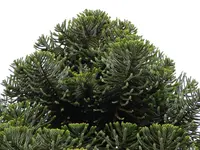
Araucaria bidwillii, commonly called bunya bunya, is a long-lived coniferous tree from rainforests and open forests of Queensland, Australia. In nature it forms a tall, symmetrical pyramid with strong horizontal branches and dense, stiff foliage. As a young plant it is sometimes grown in large containers or spacious gardens for its striking architectural form. The tree produces very large seed cones, but these are seen only on mature outdoor specimens. Growth is slow and it needs space, so it suits patient growers more than small home gardens. It prefers bright light, moderate moisture, and well-drained soil, and understanding these basics helps you care for bunya bunya successfully.

Main Plant Requirements

Care Difficulty

Moderate Care

Light Preference

Full Sun

Water Requirements

Moderate Water

Temperature Preference

Warm Climate

Hardiness Zone

9–11

Soil Texture

Sandy, Loamy, Organic-rich

Soil pH

Acidic (5.5–6.5), Slightly acidic (6.5–7.0)

Soil Drainage

Well-drained

Fertilization

Minimal (feed rarely)

Get Personalized Care Plan

Scan your plant to receive care tips personalized for your specific plant

Available on iOS and Android

How to Care for the bunya bunya

Araucaria bidwillii prefers bright outdoor conditions with exposure similar to an open woodland edge.

  • Provide 4–6 hours of direct morning sun with light afternoon shade; strong late-day sun in hot, inland areas can scorch young foliage.
  • Tolerates light to medium partial shade, but bunya bunya develops denser, more symmetrical growth with more sun, especially in cooler climates.
  • In the first 2–3 years, protect from intense summer sun and reflective heat; in winter, ensure an open site with unobstructed sky to maximize low-angle light.

Araucaria bidwillii prefers evenly moist but never waterlogged soil once established outdoors.

  • Allow the top 3–5 cm of soil to dry between waterings for young trees; in the ground, water deeply when soil feels dry at 5–8 cm depth rather than on a fixed schedule.
  • Reduce watering in cool or rainy seasons and during winter dormancy, focusing only on preventing the root zone from drying completely.
  • Persistent wet soil, sour smell, or yellowing lower needles indicate overwatering and poor drainage; pale, browning needle tips and very dry, hard soil suggest underwatering.

This species is a hardy, outdoor conifer that prefers mild, frost-limited climates.

  • Optimal growth occurs around 60–80°F (16–27°C), with steady temperatures and moderate humidity supporting dense, healthy foliage.
  • Mature trees tolerate brief drops to about 25°F (-4°C), but young plants are more tender and benefit from protection when temperatures approach freezing.
  • In hot regions, temperatures above 95°F (35°C) combined with dry wind can stress foliage, so site the tree where soil stays cool and air movement is gentle rather than harsh.

This species prefers moderate humidity but usually adapts to typical indoor and outdoor levels in temperate homes.

  • Aim for 40–60% humidity; bunya bunya tolerates down to 30% if kept well watered and out of heat blasts.
  • Watch for browning needle tips and increased shedding on the inner branches as signs of humidity stress combined with drought or heat.
  • Increase humidity by grouping plants, placing the pot on a pebble tray with water below the base, or using a small room humidifier nearby.

Araucaria bidwillii needs sharply drained yet moisture-retentive soil that mimics a sandy, organic forest substrate.

  • Use a sandy loam with 30–40% coarse material such as horticultural sand, fine bark, or pumice for structure and aeration.
  • Aim for slightly acidic to neutral pH around 5.5–7.0, avoiding strongly alkaline mixes that can reduce nutrient availability.
  • Improve drainage by blending standard potting mix with equal parts pine bark fines and coarse perlite or pumice to prevent waterlogging.
  • Avoid heavy clay, peat-only, or compacted mixes that stay wet for long periods, as these promote root rot and poor root oxygenation.

This species can be grown in containers when young, but the plant becomes large and heavy over time.

  • Choose a deep, heavy container to counter the top-heavy crown and reduce tipping in wind or on balconies.
  • Select a thick-walled clay or concrete pot if possible, since these materials moderate moisture swings and anchor the tall trunk.
  • Fill the bottom layer with coarse, non-organic material over the drainage holes to keep them clear and speed excess water exit.

Araucaria bidwillii grows slowly and usually needs only light, thoughtful feeding in containers or poor soils.

  • Use a balanced slow-release fertilizer (for example 10-10-10) or well-aged compost in spring for potted or young bunya bunya.
  • Feed every 8–12 weeks during the growing season, following label rates at 50–75% strength.
  • Skip feeding in winter or dormancy, except for very light compost topdressing in the root zone.
  • Water thoroughly after applying fertilizer to reduce root burn and help nutrients move into the soil.

Araucaria bidwillii requires minimal pruning, mainly for safety and basic structure control.

  • Carry out any pruning in late winter or very early spring before active growth begins.
  • Remove only dead, diseased, crossing, or storm-damaged branches using clean, sharp loppers or a pruning saw.
  • Avoid cutting the central leader, since this disrupts the tree’s natural pyramidal form and long-term stability.
  • Limit canopy thinning to small, targeted cuts to maintain branch whorls and reduce stress on the tree.

This species is usually grown as an outdoor tree, so focus on careful transplanting rather than frequent repotting.

  • Plan major transplanting in late winter or early spring, before strong new growth starts.
  • Look for roots circling the container, water running straight through, or stalled growth as signs a young tree needs a larger pot or ground planting.
  • Move up only 1–2 pot sizes or into a well-drained, slightly acidic planting hole, keeping the root flare at soil level.
  • Reduce root stress by watering deeply before and after transplanting, handling the root ball gently, and applying a 5–8 cm mulch ring, kept away from the trunk.

Araucaria bidwillii is almost always propagated from seed, and success requires patience and stable conditions.

  • Collect fresh, fully mature seeds and sow in late winter to spring for best germination.
  • Use deep containers with well-drained, slightly acidic mix, placing seeds horizontally and barely covering them.
  • Maintain 68–77°F, bright indirect light, and evenly moist (not wet) substrate; germination can take many weeks.
  • Keep seedlings in their starter pots until roots fill the container, then pot on carefully to avoid taproot damage.

Mature Araucaria bidwillii is moderately cold tolerant in mild climates but young trees and container plants need some winter attention.

  • In regions below about 20–25°F, grow Araucaria bidwillii in containers and move to a bright, cool indoor or sheltered space over winter.
  • Apply a 5–8 cm mulch layer over the root zone of in-ground trees in late fall, keeping mulch off the trunk.
  • For small outdoor specimens, use breathable frost cloth around the crown during hard freezes, removing it during mild periods to prevent overheating.

Care Tips

Early leader training

In the first few years, select one strong central leader and remove or shorten competing upright shoots to maintain a single trunk and stable structure as the tree matures.

Protective mulching ring

Maintain a 5–10 cm deep mulch ring extending at least 60–90 cm from the trunk, keeping mulch 5–8 cm away from the bark to stabilize soil moisture and prevent mower or trimmer damage.

Cone and branch safety

In areas with foot traffic or vehicles, place the tree where falling cones and heavy branches will not pose a risk, or fence off the root zone once the tree begins producing cones.

Root zone management

Avoid planting turf or thirsty groundcovers right up to the trunk and keep heavy foot traffic, parked cars, and construction away from the root zone to reduce soil compaction and long‑term stress.

Site planning for size

Before growing bunya bunya, map out the tree’s mature spread and height, then position it well away from buildings, overhead lines, and septic systems to avoid future conflicts with its large roots and canopy.

Common Pests and Diseases

Scale insects

This pest attaches firmly to needles and young stems, sucking sap and causing yellowing, thinning foliage, and overall decline, especially on stressed or container-grown trees.

Solution

Prune out heavily infested twigs, then wash accessible branches with a firm stream of water and a mild insecticidal soap, repeating every 7–10 days until new growth appears clean. For larger trees or persistent outbreaks, use a horticultural oil spray during mild weather to smother scales, and avoid overfertilizing, which encourages soft, susceptible growth.

Araucaria leaf blight

This disease causes brown or grey lesions on needles that can spread along the branch, leading to premature needle drop and a thin, patchy canopy, particularly in humid, shaded situations.

Solution

Remove and dispose of affected needles and small branches, and prune nearby plants to increase light and airflow through the canopy. In persistently wet climates or valuable specimens, apply a registered copper-based fungicide or other labeled conifer fungicide at the first sign of spotting, and avoid overhead irrigation that keeps foliage wet for many hours.

Needle cast

This disease produces discolored bands or spots on older needles, which then turn brown and fall, leaving bare inner sections of branches while tips remain green.

Solution

Rake up and discard fallen needles to reduce the source of reinfection, and thin surrounding vegetation to shorten leaf wetness periods. In landscapes where the problem recurs, a preventive fungicide program in spring, timed to new needle growth, can help protect foliage while maintaining good spacing and site drainage supports long-term Araucaria bidwillii care.

Mealybugs

These insects cluster in branch junctions and on roots of potted plants, appearing as white cottony masses and causing sticky honeydew, sooty mold, and weak, yellowing growth.

Solution

For light infestations, dab visible mealybugs with cotton swabs dipped in isopropyl alcohol, then rinse the foliage after a few minutes. In more serious cases, apply insecticidal soap or a systemic insecticide labeled for conifers, ensuring good coverage in branch crotches and, for container plants, inspecting and refreshing the potting mix if roots are infested.

Interesting Facts

Giant edible seeds

This species produces some of the largest edible seeds of any conifer. The heavy, nut-like seeds are an important traditional food for Aboriginal communities in Queensland and can be eaten roasted or ground into flour.

Massive, dangerous cones

Mature female cones can weigh over 5 kg and fall from high in the crown. In its native range, people avoid standing under mature trees in cone season due to the real risk of injury from falling cones.

Ancient Gondwanan lineage

The species belongs to an old evolutionary line that dates back to the supercontinent Gondwana. Its closest living relatives are scattered in South America, New Caledonia, and Norfolk Island, reflecting this ancient breakup.

Botan icon

Did you know?

In parts of Queensland, large bunya gatherings were historically held by Aboriginal groups when the trees produced heavy cone crops, drawing communities from long distances to share food, conduct ceremonies, and arrange trade and social alliances.

FAQs about bunya bunya

Growth is slow to moderate. Young trees often add about 20–40 cm per year under good conditions, then slow with age. Heritage specimens can eventually reach very large sizes over many decades in suitable climates.

Grow Healthy Plants with Botan Care

Keep your plants happy and healthy with plant identification, disease detection, and easy care guidance.

Botan plant care app — identify plants on mobile

Explore More Plants