Wind exposure management
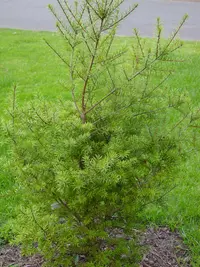
Site young trees where they receive some protection from prevailing winds, or install a porous windbreak, to reduce desiccation and mechanical stress on the still-developing root system.

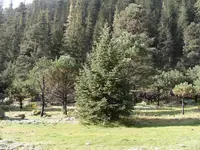
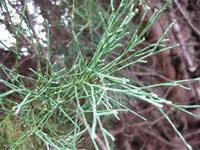
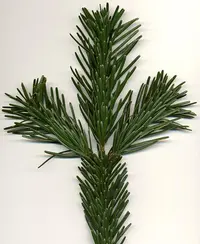
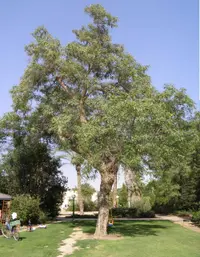
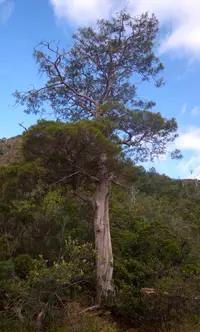
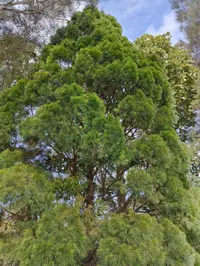
Chihuahua spruce, Picea chihuahuana, is a rare coniferous tree native to high mountains in northern Mexico. It forms a dense, upright crown with short, bluish‑green needles and rough, gray-brown bark.
In the wild it grows along cool, moist stream valleys and mountain slopes, often in mixed conifer forests. Its naturally slow growth and preference for cooler, stable conditions make it more challenging outside suitable climates.
Gardeners value it for its compact habit and ornamental needles, but it needs consistent moisture, well-drained soil, and protection from extreme heat. Understanding how to care for Chihuahua Spruce helps improve long-term survival, especially in warmer or drier regions.

Care Difficulty
Hard Care

Light Preference
Full Sun

Water Requirements
Moderate Water

Temperature Preference
Cool Climate

Hardiness Zone
7–8

Soil Texture
Loamy, Rocky

Soil pH
Acidic (5.5–6.5), Slightly acidic (6.5–7.0)

Soil Drainage
Well-drained

Fertilization
Minimal (feed rarely)
Scan your plant to receive care tips personalized for your specific plant
Available on iOS and Android
This high-elevation conifer prefers bright, cool sun with some protection from intense afternoon exposure.
This species prefers consistently moist but not saturated soil, especially during establishment.
This mountain spruce is cold hardy yet sensitive to prolonged extreme heat.
This species prefers cool, relatively moist air but tolerates moderate household humidity if roots are well managed.
Soil should mimic a cool, mountain conifer habitat: loose, well-drained, and slightly acidic.
This species can be grown in containers for the medium term, provided the pot is managed for stability and root health.
This high-elevation conifer grows well in lean soils, so fertilizer needs for Chihuahua Spruce are modest in most landscapes.
Picea chihuahuana needs minimal pruning and is best left to develop its natural form.
This spruce is usually grown in the ground, so management focuses on careful transplanting rather than frequent repotting.
Reproduction of this species is technically possible from both seed and cuttings but is slow and best suited to conservation or specialist projects.
This high-mountain spruce is cold hardy and usually needs little special winter care in typical USDA zones where it is grown.

Plant Health Check
Not sure what's wrong with your plant? Check your plant's health inside the app.
This species is restricted to only a few small, isolated populations in the Sierra Madre Occidental of Chihuahua, Durango, and Nuevo León, making it one of the rarest spruces in the world.
Genetic and distribution studies suggest it is a glacial relict, surviving from cooler, wetter climatic periods and now persisting only in high-elevation ravines and canyon slopes.
Molecular research indicates that this spruce forms a distinct evolutionary lineage within the genus Picea, with high conservation value for maintaining spruce genetic diversity.

This species is classified as Endangered on the IUCN Red List due to its extremely limited range, small fragmented populations, and ongoing habitat pressures, and it has become a flagship species for high-elevation conifer conservation in northern Mexico.
This species is slow-growing. In suitable conditions, expect roughly 15–30 cm of height gain per year when young, often less in dry or exposed sites. Growth slows further as the tree matures and crown density increases.
Keep your plants happy and healthy with plant identification, disease detection, and easy care guidance.