sapodilla Care (Manilkara zapota)

Also known as: Chiku, chikoo
sapodilla

About sapodilla

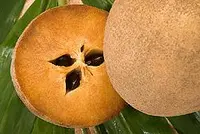
Sapodilla, Manilkara zapota, is an evergreen fruit tree valued for its sweet, brown, kiwi-like fruits and dense, glossy foliage. It grows with a rounded crown and can become a medium to large tree in warm climates.

This species is native to tropical regions of Mexico, Central America, and the Caribbean, and is now widely cultivated in other warm, frost-free areas. Its slow to moderate growth and strong, wind-resistant wood make it relatively durable in suitable climates.

Sapodilla prefers full sun, warmth, and well-drained soil, which influences how to care for sapodilla in home gardens or small orchards.

Main Plant Requirements

Care Difficulty

Moderate Care

Light Preference

Full Sun

Water Requirements

Moderate Water

Temperature Preference

Tropical / Frost Sensitive

Hardiness Zone

10–11

Soil Texture

Sandy, Loamy, Organic-rich

Soil pH

Acidic (5.5–6.5), Slightly acidic (6.5–7.0)

Soil Drainage

Well-drained

Fertilization

Minimal (feed rarely)

Get Personalized Care Plan

Scan your plant to receive care tips personalized for your specific plant

Available on iOS and Android

How to Care for the sapodilla

Manilkara zapota performs best in warm climates with abundant, direct sunlight.

  • Provide 6–8 hours of direct sun daily; full sun is ideal for flowering and fruiting in mature trees.
  • Young sapodilla trees benefit from morning sun and light afternoon shade in very hot regions to reduce leaf scorch.
  • In marginal climates, avoid deep shade; at least 4 hours of direct sun plus bright exposure the rest of the day supports acceptable growth.

Manilkara zapota prefers consistently moist but not saturated soil once established.

  • Allow the top 3–5 cm of soil to dry before deep watering, ensuring water penetrates the root zone rather than frequent shallow wetting.
  • During hot, dry seasons, increase watering when leaves lose gloss, curl slightly, or new growth stalls; reduce frequency in cool or rainy periods.
  • Use well-draining soil to prevent standing water; yellowing leaves, leaf drop, and a sour soil smell indicate overwatering, while crispy edges suggest drought stress.

This tropical fruit tree thrives in warm, frost-free conditions year-round.

  • Ideal growth occurs around 70–90°F (21–32°C), supporting steady vegetative growth and reliable fruit set.
  • Short dips to about 40°F (4°C) may be tolerated, but damage often appears below 32°F (0°C) and repeated frost can kill young trees.
  • Heat tolerance is high up to about 100°F (38°C) if soil moisture is maintained; in cooler regions, plant in a warm microclimate sheltered from cold winds.

This species prefers moderately humid air but usually adapts to most household conditions.

  • Aim for 50–70% humidity for optimal foliage and fruiting performance.
  • Leaves curling, browning tips, or slow growth indicate air that is too dry or fluctuating rapidly.
  • Raise humidity with a nearby humidifier or grouped plants, rather than misting, to avoid leaf spotting.

Manilkara zapota grows best in deep, well-drained, slightly acidic to neutral soil with a loose, airy structure.

  • Use a sandy loam base with 30–40% coarse sand plus organic matter such as compost for moisture retention.
  • Aim for pH 6.0–7.5; amend very acidic soils with garden lime and very alkaline soils with elemental sulfur.
  • Improve drainage and aeration by incorporating materials like perlite or fine pine bark into heavy or compacted soil.
  • Avoid waterlogged, saline, or extremely compact clay soils, which reduce oxygen around roots and increase rot risk.

This tree can be grown in large containers when root space, drainage, and stability are carefully managed.

  • Choose a deep, heavy pot to anchor the tree’s dense canopy and reduce tipping in wind or on balconies.
  • Use a fast-draining mix and raise the container slightly off the ground so drainage holes do not become blocked.
  • Position the container where it will not overheat on concrete or asphalt, which can stress roots in dark pots.

Manilkara zapota responds well to moderate feeding that supports steady growth and fruiting without forcing soft, weak shoots.

  • Use a balanced NPK granular or slow-release fertilizer, or well-rotted compost, worked lightly into the root zone in spring.
  • Feed outdoor trees 2–3 times during the warm growing season, adjusting to soil fertility and tree vigor.
  • Apply fertilizers at 50–75% of label strength for young or container sapodilla plants to avoid salt stress.
  • Reduce or stop feeding in late fall and winter when growth slows, especially in cooler or low-light conditions.

Pruning Manilkara zapota is mainly used to manage size, structure, and light penetration into the canopy.

  • Carry out structural pruning in late winter or very early spring, before strong new growth starts.
  • Remove dead, diseased, crossing, or inward-growing branches first to improve airflow and reduce pest issues.
  • Thin congested interior shoots to allow more light, which supports flowering and fruit quality.
  • Use clean, sharp bypass pruners or loppers, making cuts just outside the branch collar for proper healing.

This species is usually grown in the ground, so focus on careful transplanting of young trees rather than frequent repotting.

  • Transplant in late spring or early summer once soil is warm, avoiding very hot, dry, or windy days.
  • Look for roots circling the pot, slow growth, or quick drying soil as signs container saplings need a larger container.
  • Shift to a pot 1–2 sizes larger using a well-drained mix, disturbing and untangling circling roots as little as possible.
  • Water thoroughly after planting, provide shade for 7–10 days, and keep soil evenly moist to reduce transplant shock.

Manilkara zapota is most often propagated by seed for rootstock and by grafting for reliable fruit quality, so home propagation is moderate in difficulty.

  • Sow fresh seeds in warm conditions around 75–85°F in late spring, using a free-draining mix kept evenly moist.
  • Expect slow, sometimes uneven germination; maintain consistent warmth and avoid waterlogging the medium.
  • Use healthy, disease-free scion wood and compatible rootstock when grafting to ensure good union and vigor.
  • Provide bright, indirect light, high humidity, and stable warmth to support young seedlings or grafted plants.

Manilkara zapota is a tropical to subtropical tree with low frost tolerance, so extra attention is needed in cool climates.

  • Avoid exposure to temperatures below about 30°F, which can damage foliage and young wood.
  • Mulch the root zone with 5–8 cm of organic material, keeping it slightly away from the trunk base.
  • Wrap young trunks with breathable frost cloth and use temporary covers during short cold snaps.
  • Move container-grown trees indoors or into a heated greenhouse before the first expected frost, ensuring bright light.

Care Tips

Windbreak establishment

Plant a permanent or temporary windbreak on the windward side during the first 3–5 years to reduce branch breakage and fruit drop in young trees exposed to strong or drying winds.

Central leader training

In the first 2–3 years, select one strong upright stem as a central leader and remove competing uprights early so the tree develops a stable framework that can support heavy fruit loads later.

Fruit thinning practice

On heavily setting trees, remove excess young fruits so clusters are reduced to 1–2 fruits per spur, which improves fruit size and reduces limb stress and breakage.

Mulch management ring

Maintain a 5–10 cm deep organic mulch ring that extends at least to the drip line but keep it 10–15 cm away from the trunk to conserve soil moisture and protect shallow feeder roots without inviting rot.

Cold event preparation

Before forecast cold snaps, irrigate the root zone thoroughly and wrap young trunks with breathable insulation so that hydrated soil and protected bark help reduce cold injury when growing sapodilla.

Common Pests and Diseases

sapodilla seed borer

This pest is the larva of a small moth that tunnels into developing fruits and damages the seeds, leading to premature fruit drop and poor fruit quality.

Solution

Collect and destroy infested fruits as soon as damage is noticed, prune and dispose of mummified or leftover fruits after harvest, and use fine fruit bagging on young fruits where practical; in outdoor orchards, coordinated monitoring with pheromone traps and timely applications of a labeled Bacillus thuringiensis (Bt) or other targeted insect growth regulator can reduce populations while limiting impact on beneficial insects.

sapodilla leaf webber

This pest is a caterpillar that webs young leaves together, feeding inside the shelter and causing skeletonized leaves, defoliation, and stunted new growth.

Solution

Regularly inspect flushes of new leaves, handpick and destroy webbed leaf clusters on small trees, and encourage natural predators; in heavier infestations, prune heavily affected shoots and, if needed, apply a selective biological spray like Bt directed to tender foliage during early larval stages, following local label directions for fruit trees and general Manilkara zapota care.

mealybugs

These insects cluster on tender shoots, leaf nodes, and fruit stalks, sucking sap and producing sticky honeydew that can lead to black sooty mold on leaves and fruits.

Solution

Prune and discard heavily infested twigs, wash colonies off with a strong stream of water, and use cotton swabs dipped in 70% isopropyl alcohol for small indoor or container plants; for outdoor trees, release or conserve natural enemies such as lady beetles and apply a light horticultural oil or insecticidal soap to thoroughly coat affected areas, repeating as needed while avoiding high heat periods above about 85–90°F.

sooty mold

This disease is a cosmetic fungal growth that develops on the sugary honeydew excreted by sap-feeding insects, coating leaves and fruits with a black, soot-like layer that interferes with photosynthesis.

Solution

Control underlying honeydew-producing pests such as mealybugs, scales, or aphids, then gently wash affected leaves and fruits with water and a small amount of mild soap to remove the fungal growth; improve light penetration and airflow through selective pruning so leaves dry faster and are less prone to persistent mold buildup.

anthracnose

This disease is a fungal infection that causes dark, sunken lesions on young leaves, twigs, flowers, and sometimes fruits, often leading to distorted growth and fruit blemishes in humid conditions.

Solution

Remove and destroy infected leaves and twigs, avoid overhead watering that keeps foliage wet, and prune the canopy to improve airflow; in consistently humid or rainy regions, apply a preventive copper-based fungicide or other labeled fruit-tree fungicide at the start of new flushes or flowering, spacing treatments according to local guidelines and disease pressure.

Interesting Facts

Natural latex source

This species produces a sticky white latex in its bark, which was historically used as the original base for chewing gum known as chicle.

Extended fruit development

The fruits take many months to mature on the tree, often needing 8–10 months from flowering to ripening, which contributes to their high sugar content and dense, grainy texture.

Evergreen coastal specialist

It is an evergreen tree naturally adapted to tropical coastal habitats, tolerating wind and some salt exposure better than many other fruit trees.

Botan icon

Did you know?

The dense, hard wood of this tree is so heavy that it usually sinks in water and has been traditionally valued for construction, posts, and other uses where long-term durability is important.

FAQs about sapodilla

Leaf browning usually comes from salt buildup, low humidity, strong wind, or root damage. Flush the soil occasionally, protect from hot, dry winds, mulch the root zone, and avoid heavy pruning or root disturbance during hot weather.

Grow Healthy Plants with Botan Care

Keep your plants happy and healthy with plant identification, disease detection, and easy care guidance.

Botan plant care app — identify plants on mobile

Explore More Plants