Sturdy Trellis Support
Install a strong, weather-resistant trellis or wire mesh before planting so the vine can be trained early and secured with soft ties as stems thicken over time.

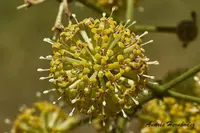
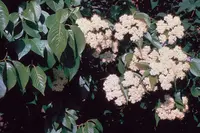
Cat's claw, Uncaria tomentosa, is a woody climbing vine native to tropical rainforests of the Amazon and other parts of Central and South America. It uses distinctive curved thorns, resembling a cat’s claws, to hook onto trees and scramble upward.
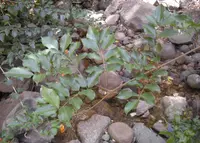
The plant bears simple green leaves and can become quite large in suitable outdoor climates, so it is rarely grown as a full-size landscape vine in cooler regions. In cultivation it is valued mainly for its traditional herbal use and as an unusual collector’s plant, so it may be more challenging to source and establish.
Those who want to learn how to care for Cat's Claw should know it prefers warm, bright conditions, evenly moist but well-drained soil, and protection from cold or frost.

Care Difficulty
Moderate Care

Light Preference
Partial Shade

Water Requirements
Moderate Water

Temperature Preference
Tropical / Frost Sensitive

Hardiness Zone
10–12

Soil Texture
Loamy, Sandy, Organic-rich

Soil pH
Acidic (5.5–6.5), Slightly acidic (6.5–7.0)

Soil Drainage
Moist but well-drained

Fertilization
Minimal (feed rarely)
Scan your plant to receive care tips personalized for your specific plant
Available on iOS and Android
Uncaria tomentosa grows best with bright outdoor light that is filtered rather than harsh.
Uncaria tomentosa prefers consistently moist but not waterlogged soil once established outdoors.
This vine favors warm, frost-free conditions for reliable growth and long-term survival.
This species handles a broad humidity range and usually does not need special humidity management outdoors.
Uncaria tomentosa prefers moderately moist, well-draining, fertile soil that does not stay waterlogged.
This vigorous vine can be grown in containers if the pot is large, stable, and drains freely.
Uncaria tomentosa grown in the ground needs little feeding but responds to light nutrition in poor soils.
Uncaria tomentosa benefits from periodic pruning to manage size and maintain a healthy framework.
This vigorous woody vine is usually grown in the ground, so focus on careful transplanting rather than frequent repotting.
Uncaria tomentosa is most often propagated by seeds or semi-ripe cuttings under warm, stable conditions.
This tropical vine is sensitive to hard frost and needs protection in regions with cold winters.

Plant Health Check
Not sure what's wrong with your plant? Check your plant's health inside the app.
This woody vine climbs by producing paired, sharply curved thorns along its stems that resemble a cat’s claws, which help it anchor onto surrounding vegetation in tropical forests of the Amazon basin and Central America.
The stem bark contains relatively high levels of tannins, plant compounds that give it an astringent taste and may help protect the plant from herbivores and microbial attack.
It produces several oxindole alkaloids and other secondary metabolites that have been widely studied in pharmacognosy, the scientific field that examines bioactive compounds from plants.
Genetic and morphological studies suggest that different natural populations contain distinct chemotypes, meaning groups of plants of the same species that consistently produce different dominant alkaloids, a feature that has important implications for scientific research and quality control of plant material.
This vine can spread vigorously in warm climates, climbing high and sending out long shoots. In suitable conditions it may become difficult to control, so use strong supports and prune regularly to prevent unwanted spread.
Keep your plants happy and healthy with plant identification, disease detection, and easy care guidance.