Mount Morrison Spruce Care (Picea morrisonicola)

Also known as: Taiwan spruce
Mount Morrison Spruce

About Mount Morrison Spruce

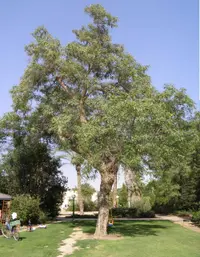
Mount Morrison spruce, Picea morrisonicola, is an evergreen conifer native to high mountain forests of Taiwan. It forms a tall, narrow tree with dense, layered branches and short, needle-like foliage. Cones are typically small and hang down from the branches, adding ornamental interest. Growth is slow to moderate, and the tree prefers cool conditions, good air circulation, and consistent moisture. It generally thrives in well-drained, slightly acidic soil and full sun to light shade. In suitable climates, it is fairly resilient once established, but heat, drought, and poor drainage make it more challenging to care for Mount Morrison Spruce.

Main Plant Requirements

Care Difficulty

Moderate Care

Light Preference

Full Sun

Water Requirements

Moderate Water

Temperature Preference

Warm Climate

Hardiness Zone

9–11

Soil Texture

Loamy, Sandy, Rocky

Soil pH

Strongly acidic (4.5–5.5), Acidic (5.5–6.5)

Soil Drainage

Well-drained

Fertilization

Minimal (feed rarely)

Get Personalized Care Plan

Scan your plant to receive care tips personalized for your specific plant

Available on iOS and Android

How to Care for the Mount Morrison Spruce

This high-mountain conifer prefers cool, bright conditions that mimic its native exposed slopes.

  • Provide 6–8 hours of direct sun in cool or mild climates; in hotter regions, aim for morning sun with light shade after 1–2 p.m.
  • Mount Morrison Spruce tolerates light partial shade, but dense shade causes thin growth, longer internodes, and reduced needle density.
  • Monitor for scorch on south- or west-facing sites in summer; if needles yellow or brown on the sunniest side, increase afternoon shade or airflow.

This species prefers consistently moist but not saturated soil, especially during establishment.

  • In the ground, allow the top 3–5 cm of soil to feel slightly dry before deep watering so moisture reaches 20–30 cm down.
  • Reduce watering frequency in fall and winter, but never allow the root zone of Picea morrisonicola to become powder-dry or cracked.
  • Watch for stress signals: drooping, dull needles and dry, crumbly soil indicate underwatering; limp, yellowing needles with a sour smell in the soil suggest overwatering or poor drainage.

This spruce thrives in cool, stable conditions and tolerates moderate cold once established.

  • Ideal growing temperatures are around 50–70°F (10–21°C), with cooler nights supporting denser growth and stronger buds.
  • Mature trees handle brief drops to about 20°F (-6°C), but young plants benefit from protection from sudden hard frosts and drying winter winds.
  • Heat above 80°F (27°C), especially with low humidity, can stress the tree; provide mulch, good soil moisture, and some afternoon shade during hot spells.

This high-mountain conifer prefers cool air with moderate humidity and dislikes very dry indoor conditions.

  • Aim for 40–60% air humidity, which suits both outdoor container use and sheltered patios.
  • Tolerates brief dry air, but prolonged humidity below 30% can cause browning needle tips and increased spider mite activity.
  • Increase humidity outdoors by grouping containers, using a gravel tray kept moist under the pot, or placing near other foliage without blocking airflow.

This species prefers cool, moist, sharply drained, slightly acidic soil that does not stay waterlogged.

  • Use a loamy, slightly sandy mix with plenty of coarse material so water drains freely yet the root zone stays evenly moist.
  • Aim for a pH of 5.0–6.5; incorporate peat or fine pine bark to acidify alkaline native soil before planting Picea morrisonicola.
  • Blend compost or well-rotted leaf mold with sharp sand or grit to increase organic matter without sacrificing drainage or aeration.
  • Avoid heavy clay that compacts, standing water around the root collar, and soil mixes dominated by fine peat that stay soggy.

This species can be grown in containers for many years if the pot and substrate are managed carefully for stability and drainage.

  • Choose a deep, heavy container to counteract the tree’s upright, potentially top-heavy form in strong winds.
  • Select a potting mix with high mineral content and added grit so the root ball stays cool and does not slump or compact.
  • Raise the container on feet or spacers so drainage holes stay clear and excess water escapes quickly after rain or irrigation.

This high-elevation conifer grows slowly and needs only modest, carefully timed feeding.

  • Use a balanced slow-release conifer fertilizer (around 10-10-10) or well-aged compost lightly worked into the soil surface in spring.
  • Feed once at the start of the growing season; container-grown Mount Morrison Spruce may benefit from a second, mid-summer light application.
  • Apply at 1/2 the label rate for trees in the ground and up to 3/4 strength for container specimens, avoiding direct contact with the trunk.
  • Stop fertilizing in late summer so new growth hardens before winter, and avoid any feeding during winter dormancy.

Pruning needs for Picea morrisonicola are minimal and mainly corrective.

  • Schedule any structural work for late winter to very early spring, before new growth begins.
  • Remove only dead, diseased, or storm-damaged branches, cutting back to a healthy lateral branch or the branch collar.
  • Thin lightly where branches are severely crowded, but avoid cutting back into bare, older wood that does not reshoot.
  • Use clean, sharp bypass pruners or a pruning saw, disinfecting blades between cuts on diseased wood.

This spruce is usually grown in the ground and resents frequent disturbance of its root system.

  • Transplant in late winter or early spring, when the tree is dormant and soil is workable but not frozen or waterlogged.
  • Look for signs such as slow growth, roots circling the container, or becoming root-bound if grown in pots, then move up only 1 container size.
  • Dig a wide, shallow planting hole, preserve as much of the root ball as possible, and set the root flare at soil level to limit stress.
  • Water thoroughly after transplanting, mulch 5–8 cm deep around but not touching the trunk, and keep soil evenly moist while new roots establish.

Reproducing this species is slow and technically demanding, so home propagation of Picea morrisonicola is uncommon.

This species is adapted to cool, high-elevation conditions and is fairly cold hardy, so outdoor trees in suitable climates need limited winter care.

  • Apply a 5–8 cm layer of mulch over the root zone in late fall to buffer soil temperature and moisture.
  • In very cold or windy sites, use a breathable burlap screen to reduce desiccating winds on young trees.
  • For container-grown plants in colder regions, move pots into an unheated but frost-free or slightly sheltered area, keeping soil just barely moist.

Care Tips

Wind-harden young trees

Stake only very young or newly transplanted trees and gradually loosen ties over 1–2 seasons so the trunk can flex in the wind and develop strong, tapered wood.


Snow load management

In climates with wet, heavy snow, gently brush downward along branches after storms to prevent bending or breakage, avoiding upward motions that can snap stiff shoots.

Deep mulching strategy

Maintain a 5–8 cm ring of coarse organic mulch over the root zone but keep a 5–10 cm mulch-free collar around the trunk to reduce root stress, conserve moisture, and prevent bark rot.

Root zone protection

Keep lawn and heavy foot traffic away from the drip line, and use a dedicated, non-compacted bed around the tree to protect fine feeder roots that are critical for Picea morrisonicola care.

Preventive pest scouting

From spring through early summer, inspect inner branches and undersides of needles every 2–4 weeks for aphids, mites, and scale, so that any infestation can be treated at a very early stage with targeted controls.

Common Pests and Diseases

Spruce spider mites

This pest feeds on needles, causing dull, gray-green foliage, fine webbing on inner branches, and premature needle drop, especially in warm, dry conditions.

Solution

Rinse branches thoroughly with a strong but controlled stream of water every few days to knock mites off, then maintain higher ambient humidity and reduce heat stress. For persistent infestations, apply a horticultural oil or insecticidal soap labeled for conifers, targeting the undersides of needles and repeating according to label directions.

Spruce aphids

These insects suck sap from needles, leading to yellowing, distortion, and honeydew deposits that can support sooty mold growth on branches.

Solution

Prune and dispose of heavily infested shoots, then wash affected branches with water to remove aphids and honeydew. If populations remain high, use insecticidal soap or a light horticultural oil spray in cool weather, ensuring full coverage of needles and stems while monitoring for beneficial predators like lady beetles.

Spruce needle cast

This disease, caused by fungi such as Rhizosphaera, leads to browning and shedding of older needles from the inner branches outward, often leaving tufts of green at branch tips.

Solution

Remove and discard fallen needles and severely affected branches to reduce fungal spores, and improve air circulation by avoiding overcrowding and overhead watering. In areas where this disease is recurrent, apply a copper-based or chlorothalonil fungicide labeled for spruce in spring as new growth emerges, repeating as recommended during prolonged wet periods as part of broader Picea morrisonicola care instructions.

Cytospora canker

This disease causes branch dieback, resinous cankers on lower limbs, and gradual thinning of the crown, often following drought or other stress.

Solution

Prune out affected branches during dry weather, cutting back to healthy wood and disinfecting tools between cuts with 70% alcohol or a 10% bleach solution. Reduce plant stress through consistent watering, mulching the root zone, and avoiding trunk injury; in established infections, focus on sanitation and improved vigor since fungicides are usually not effective.

Interesting Facts

Endemic high-mountain spruce

This species is naturally restricted to high-elevation forests of Taiwan’s Central Mountain Range, typically growing on cool, moist slopes above roughly 2,400 m, where it forms characteristic cloud-forest conifer stands.

Cloud and mist specialist

In its native habitat it frequently grows in cloud belts, where frequent fog and mist provide important moisture directly to the needles and branches, helping it tolerate cool but not extremely cold conditions compared with many northern spruces.

Conservation-concern conifer

Habitat fragmentation, past logging, and climate warming are shrinking suitable high-mountain areas for this spruce in Taiwan, and conservation assessments have highlighted it as a species that may be especially vulnerable to upward shifts of the montane tree line.

Botan icon

Did you know?

This Taiwan high-mountain spruce is considered one of the more heat-tolerant spruce species, which is why horticulturists sometimes recommend Picea morrisonicola care to gardeners in relatively mild, warm-temperate regions where many other spruces fail to thrive.

FAQs about Mount Morrison Spruce

This high-mountain conifer grows slowly, usually 10–20 cm per year in cultivation. It may take 20–30 years to approach a substantial landscape size, and even longer to reach its full natural stature.

Grow Healthy Plants with Botan Care

Keep your plants happy and healthy with plant identification, disease detection, and easy care guidance.


Botan plant care app — identify plants on mobile

Explore More Plants