Michoacán Pine Care (Pinus devoniana)

Michoacán Pine

About Michoacán Pine

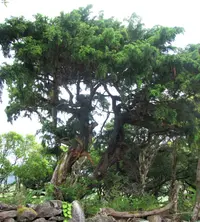
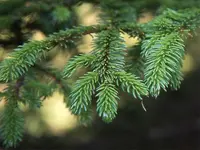
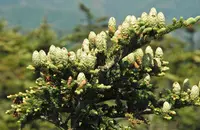
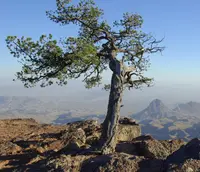
Michoacán pine, Pinus devoniana, is a fast-growing coniferous tree native to higher elevations of Mexico, especially the state of Michoacán. It forms an open, irregular crown with long, soft needles that give it a somewhat graceful, feathery look.

In its natural habitat, it often grows in dry, seasonally cool upland forests and can reach substantial height and trunk diameter. The species is valued for timber and sometimes used as a landscape tree in mild climates.

Understanding how to care for Michoacán Pine starts with its adaptation to full sun, well-drained soils, and moderate to low moisture. Its tolerance of drought and poor soils can make it relatively easy to manage where winters are not severe.

Main Plant Requirements

Care Difficulty

Moderate Care

Light Preference

Full Sun

Water Requirements

Low Water

Temperature Preference

Warm Climate

Hardiness Zone

9–11

Soil Texture

Sandy, Loamy, Rocky

Soil pH

Acidic (5.5–6.5), Slightly acidic (6.5–7.0)

Soil Drainage

Well-drained

Fertilization

Minimal (feed rarely)

Get Personalized Care Plan

Scan your plant to receive care tips personalized for your specific plant

Available on iOS and Android

How to Care for the Michoacán Pine

This highland pine thrives in open, bright sites with plenty of direct sun.

  • Provide 6–8 hours of direct sun daily; full sun exposure suits mature Michoacán Pine best in most temperate to warm climates.
  • Young trees tolerate light partial shade, especially from hot western sun; morning sun with light afternoon shade reduces stress in very hot, dry regions.
  • Too little sun leads to sparse, elongated shoots, while extreme reflected heat from pavement or walls can scorch needles, especially in dry, windy conditions.

This species prefers deep, infrequent watering once established, with soil allowed to dry slightly between soakings.

  • For ground‑planted trees, water deeply only when the top 5–8 cm of soil are dry; aim to moisten the root zone 20–30 cm deep, then let it drain fully.
  • Reduce watering in cool seasons and during prolonged cloudy periods; new growth that turns yellow, then brown at the base, often points to overwatering or poor drainage.
  • Choose sharply draining, sandy or rocky soil; standing water, a sour smell, or soft, blackening roots indicate excess moisture, while dull, browning needle tips suggest underwatering.

This warm‑temperate to subtropical pine prefers mild winters and warm, dry summers.

  • Optimal growth occurs around 65–80°F (18–27°C), with best establishment in climates that avoid long periods below freezing.
  • Mature trees tolerate brief drops to about 20°F (−6°C), but young plants are more frost sensitive and benefit from shelter from cold winds and radiative frost pockets.
  • Heat tolerance is good up to about 95°F (35°C) if soil is well drained; during hot spells, avoid planting in heat‑reflecting sites that combine intense sun with hot, drying winds.

This pine handles a wide humidity range and usually does not need special humidity management.

  • Target 30–60% humidity, similar to typical outdoor and unmodified indoor air in many regions.
  • Michoacán Pine tolerates dry air well if roots are adequately watered and the soil does not fully dry for extended periods.
  • Humidity stress shows as browning needle tips and accelerated needle drop; in very dry, hot conditions, group plants or place near a humid microclimate like other foliage.

Pinus devoniana prefers freely draining, slightly acidic to neutral mineral soils that prevent waterlogging.

  • Use a sandy or sandy-loam mix with coarse structure, such as 40% pine bark, 40% coarse sand or grit, and 20% low-peat compost.
  • Aim for pH 5.5–7.0; avoid strongly alkaline mixes that can limit nutrient uptake and cause pale, chlorotic needles.
  • Increase aeration and drainage by adding coarse pumice or perlite rather than fine sand, which can compact over time.
  • Avoid heavy clay, fine peat-heavy mixes, and any substrate that stays wet for more than 2–3 days after thorough watering.

This species can be grown in containers for several years, especially when young, if managed for stability and drainage.

  • Choose a deep, heavy container that resists tipping, since the tree develops a tall, top-heavy form and long needles.
  • Use a tall pot shape that allows a strong taproot and main roots to extend downward without circling excessively.
  • Position the container where wind exposure is reduced or brace it, as a lightweight or narrow base can lead to root rocking and instability.

This pine usually thrives in the ground with minimal feeding, but light fertilization can support young or container-grown Michoacán Pine.

  • Use a balanced slow-release fertilizer (for example 10-10-10) or thin compost layer in early spring as new growth begins.
  • Apply once each growing season for in-ground trees; container plants may benefit from 2 light applications per season.
  • Use at 1/2 label strength and water deeply afterward to avoid salt buildup around the roots.
  • Stop feeding in late summer so new growth hardens before winter dormancy.

Pruning Pinus devoniana is mainly corrective, aimed at maintaining structure and safety rather than tight shaping.

  • Schedule light work in late winter to early spring, before strong new growth starts.
  • Remove dead, diseased, storm-damaged, or rubbing branches back to a branch collar with clean bypass pruners or a sharp saw.
  • Thin severely crowded interior branches slightly to improve airflow while keeping the tree’s natural form.
  • Avoid cutting back into old bare wood; instead, shorten or remove entire branches to control size.

This pine is most often grown in the ground, so focus on careful transplanting of young trees rather than frequent repotting.

  • Transplant in late winter to early spring while the tree is still dormant and soil is workable.
  • Look for roots circling a container, water running straight through, or stunted growth as signs a nursery plant needs a larger space.
  • Move up only 1 pot size or into a prepared ground site with well-drained soil at the same planting depth as before.
  • Water thoroughly after planting, mulch 5–8 cm deep, and keep soil evenly moist (not waterlogged) for the first growing season to reduce stress.

Pinus devoniana is typically propagated from seed, as cuttings are slow and unreliable.

  • Collect ripe cones, then extract and store seeds cool and dry until sowing time.
  • Cold-stratify seeds for 6–8 weeks at about 35–40°F in moist but not wet medium to improve germination.
  • Sow in late winter to early spring in a very well-drained, low-nutrient mix under bright light.
  • Keep temperatures around 65–75°F, maintain lightly moist conditions, and provide good air circulation to limit damping-off disease.

Mature Pinus devoniana is moderately cold hardy and usually needs little special winter care in mild to warm regions.

  • In colder areas, apply a 5–8 cm mulch layer over the root zone, keeping it a few cm away from the trunk.
  • Water deeply before the ground freezes if the preceding period has been dry, especially for newly planted trees.
  • Shelter young or container plants from harsh drying winds, and move containers to a protected, unheated space where possible.

Care Tips

Early leader selection

In the first 3–5 years, choose a single strong central leader and remove competing uprights during late winter so the tree develops a stable, wind-resistant structure as it matures.

Wind exposure training

On open or windy sites, plant young trees with a low, broad staking system for only 1–2 seasons, then remove the supports so the trunk can flex and strengthen naturally rather than staying weak and dependent on stakes.

Mulch for root insulation

Apply a 5–8 cm layer of coarse organic mulch in a wide ring around the tree, keeping it 5–8 cm away from the trunk, to buffer soil temperature, preserve moisture, and encourage a deep, fibrous root system.

Targeted needle cleanup

Rake and remove dense carpets of fallen needles only in a 60–90 cm radius around the trunk once a year to limit pest and disease habitat, but leave a lighter needle layer further out as a natural, slow-release mulch.

Low-input establishment

For growing Michoacán Pine in the landscape, focus on deep, infrequent irrigation during the first 2–3 growing seasons rather than frequent shallow watering, so roots anchor deeply and the tree becomes drought-resilient with minimal long-term care.

Common Pests and Diseases

Dendroctonus bark beetles

This pest bores into the trunk and larger branches, creating galleries under the bark and causing yellowing, thinning crowns, and eventual dieback. Symptoms include resin pitch tubes on the bark and reddish frass (boring dust) at the base of the tree or in bark crevices.

Solution

Reduce stress on trees with proper watering during drought and avoid mechanical damage to the trunk, since weakened trees are more vulnerable. In high‑value trees, remove and destroy heavily infested material, maintain a buffer of healthy trees, and consult a forester or arborist for timing of preventive trunk sprays with registered insecticides when regional bark beetle pressure is high.

Pine needle rust

This disease causes yellow to orange spots and banding on needles, which later develop powdery orange pustules that release spores. Repeated infections can lead to premature needle drop and a thinned crown.

Solution

Prune and remove heavily infected lower branches and fallen infected needles to reduce the spore load around the tree. Improve spacing and airflow, avoid overhead irrigation, and in areas with a history of severe rust, ask a local extension service about resistant planting material or the targeted use of fungicides timed to early symptom development.

Fusarium needle blight

This disease leads to browning and death of current‑year needles, starting at the tips and moving inward, often leaving older inner needles green. Symptoms include a scorched appearance on new growth and reduced vigor over time.

Solution

Improve site drainage, avoid prolonged wetting of foliage, and thin nearby vegetation to increase light and air movement. Remove and destroy heavily blighted shoots, and for persistent problems in plantings, coordinate with a local plant health professional on fungicide applications timed to new needle emergence as part of broader Pinus devoniana care instructions.

Pine tip moth

This pest targets new shoots, where larvae bore into tender tips and cause wilting, browning, and distorted or stunted leaders. Symptoms include dead or bent terminals and small entry holes with resin around them.

Solution

Prune and destroy infested shoot tips before larvae complete development, focusing on young trees and nurseries. Maintain good tree vigor through appropriate watering and soil management, and in sites with recurring damage, time targeted insecticidal treatments to moth flight and egg hatch based on local extension or monitoring traps.

Armillaria root disease

This disease causes a slow decline with sparse foliage, yellowing needles, and dieback in the upper crown, often in sites with past forest or orchard use. Symptoms include white fungal mats under bark at the root collar and sometimes clusters of honey‑colored mushrooms near the base in wet seasons.

Solution

Remove severely affected trees including as much of the major root system as practical, since residual infected wood can continue to harbor the fungus. Replant in well‑drained, low‑stress sites, avoid excessive irrigation around the root zone, reduce soil compaction, and avoid planting new pines directly on old infected stumps or root systems.

Interesting Facts

Michoacán volcanic specialist

This species is native to the volcanic highlands of western Mexico, especially Michoacán, and often grows on young, nutrient-poor lava and ash soils where many other trees struggle to establish.

Remarkably long needles

The needles are among the longest of any Mexican pine, typically 20–40 cm and often in bundles of 5, giving the crown a very soft, drooping, almost ornamental appearance.

Fire-adapted thick bark

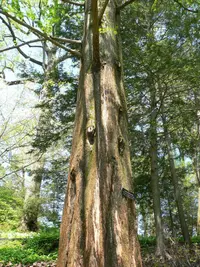
Mature trees develop very thick, corky bark that helps protect living tissues from low- to moderate-intensity wildfires, an adaptation to the frequent fire regimes of its native pine–oak woodlands.

Botan icon

Did you know?

Mature individuals of this species can develop exceptionally large cones for a Mexican pine, often 15–25 cm long, which produce heavy seeds that are an important seasonal food source for local wildlife, including squirrels and large birds.

FAQs about Michoacán Pine

This species is moderately fast-growing for a pine, often adding 30–60 cm in height per year under suitable conditions. Growth accelerates in deep, well-drained soil and warm climates, and slows in compacted or nutrient-poor sites.

Grow Healthy Plants with Botan Care

Keep your plants happy and healthy with plant identification, disease detection, and easy care guidance.

Botan plant care app — identify plants on mobile

Explore More Plants